Be yourself; Everyone else is already taken.
— Oscar Wilde.
This is the first post on my new blog. I’m just getting this new blog going, so stay tuned for more. Subscribe below to get notified when I post new updates.
Be yourself; Everyone else is already taken.
— Oscar Wilde.
This is the first post on my new blog. I’m just getting this new blog going, so stay tuned for more. Subscribe below to get notified when I post new updates.
The journey to Kedarnath can be done via road, or by air. For Road, you can check the route we followed and for the helicopter services from Haridwar/ Rishikesh or Phata, check here.

The nearest airport is at Dehradun whereas the nearest railway is at Haridwar or Rishikesh. Further, the journey to Sonprayag from Dehradun is 252 km, from Haridwar is 237 km and from Rishikesh is 212 Km.
Route 1 (295.5 Kms) Haridwar – Rishikesh – Devprayag – Srinagar – Rudarprayag – Agastmuni – Guptkashi – Phata – Sonprayag
From New Delhi
Buses go to Haridwar almost every half an hour. Road takes 8 hours. Also you can go by train, this will take 4-6 hours. From Haridwar you can go directly to Kedarnath but it is also possible to stay there at least one day – this beautiful city is placed on Ganga. If your group is more then 5-6 persons you may think about renting a jeep. If jeep is fast enough then you can reach Gaurikund in 9-10 hours. Please note that road from Rishikesh to Gaurikund will be closed from 8 pm to 4 am.
Kedarnath from Haridwar
From Haridwar every day morning buses start to Gaurikund. Advance bookings can be made at GMOA (Garhwal Mandal owners Association) office in front of the railway station. It takes almost one full day journey to reach Gaurikund if there are no Landslides. Bus journey is very beautiful because most of the 295.5 kms is ghat road journey with many mountains around and river Ganges following you through out the way.
Roads are good and there are many rough patches too. Expect few landslides on the way and at times you will be taking detours and driving just at the River bed. Char Dham Highway project, NH-58 i.e. four-lane roads for 900 kilometers, connecting 4 Dhams i.e. Badrinath, Kedarnath, Gangotri, and Yamunotri is on the go, so there are many roadblocks and traffic will be slow on the way.
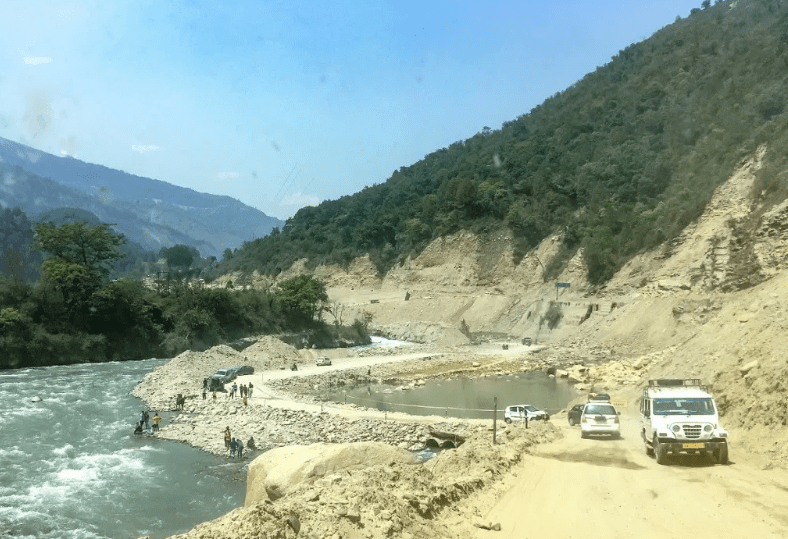
Further, from Sonprayag; Gaurikund is around 6 Kilometers and can be reached via shared cabs only. Park your vehicle in the parking and move towards the registration counter. After registartion, walk for around 500 metres and you will see cabs there. Driver charges Rs.20 per head in a shared cab and jump in. It is the most economical means of transport.
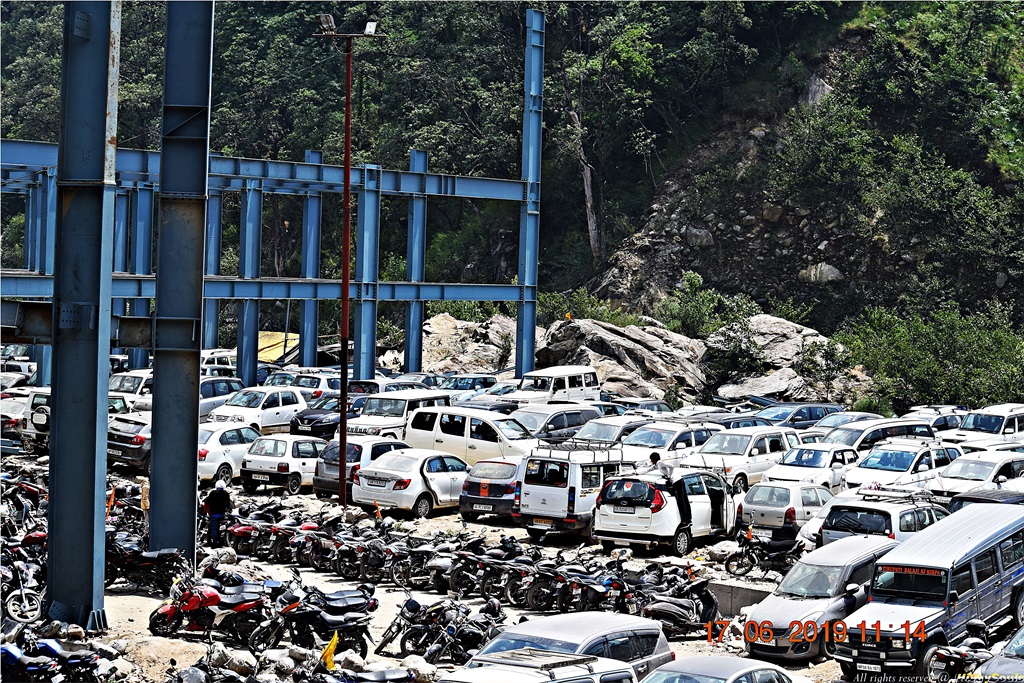
Gaurikund serves as a base camp to Kedarnath Temple and once you debark here the real trek to Kedarnath Temple begins.
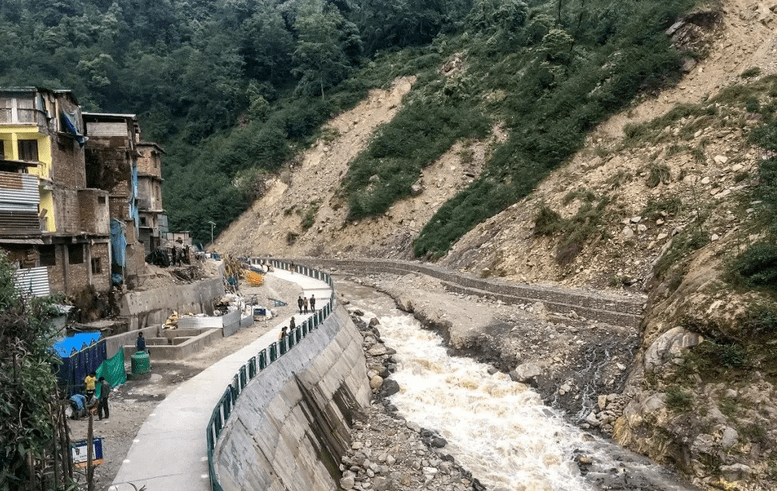
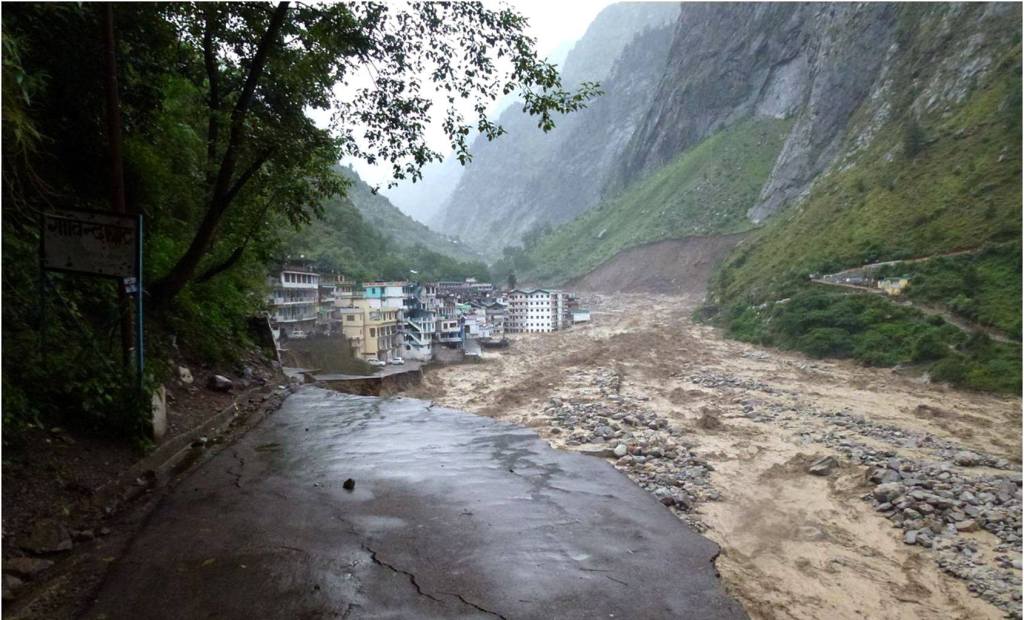
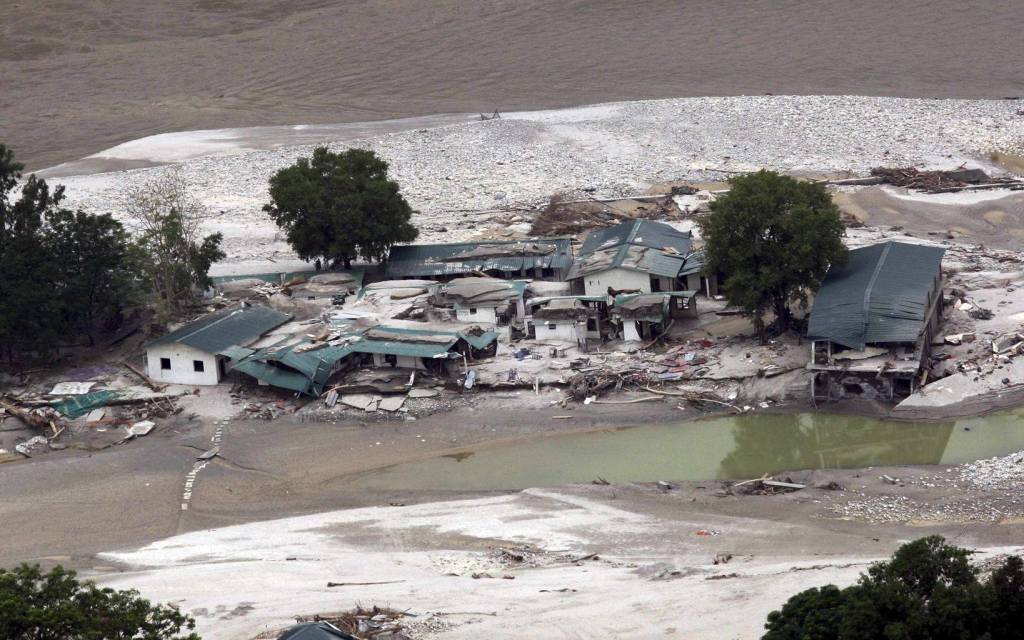
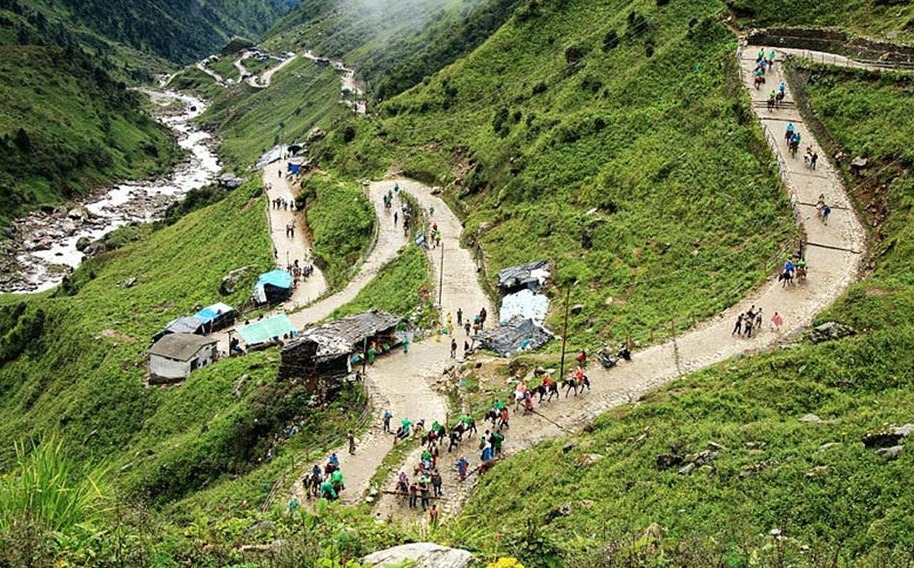
Before the trek to Kedarnath Temple was of 16 kilometers via Rambara but North India floods in 2013 completely destroyed the older route between Rambara and Kedarnath. So, the new route laid down now is of 16-17 Kilometers till Kedarnath Base camp (i.e. till the point where horses go, also known as Ghoda Phul).
From Kedarnath Base camp, there is further a walk of 2-3 kilometers till Kedarnath Temple and the same can be done via, walking, Palki (Palanquin) or Pithu’s only.
Gaurikund – Rambara Bridge (7 Kms) – In between comes Jungal Chatti and Bheembali
Rambara – Linchauli (4 Kms)
Linchauli – Kedarnath Base Camp (3-4 Kms)
Kedarnath Base Camp – Kedarnath Temple (2-3 Kms)

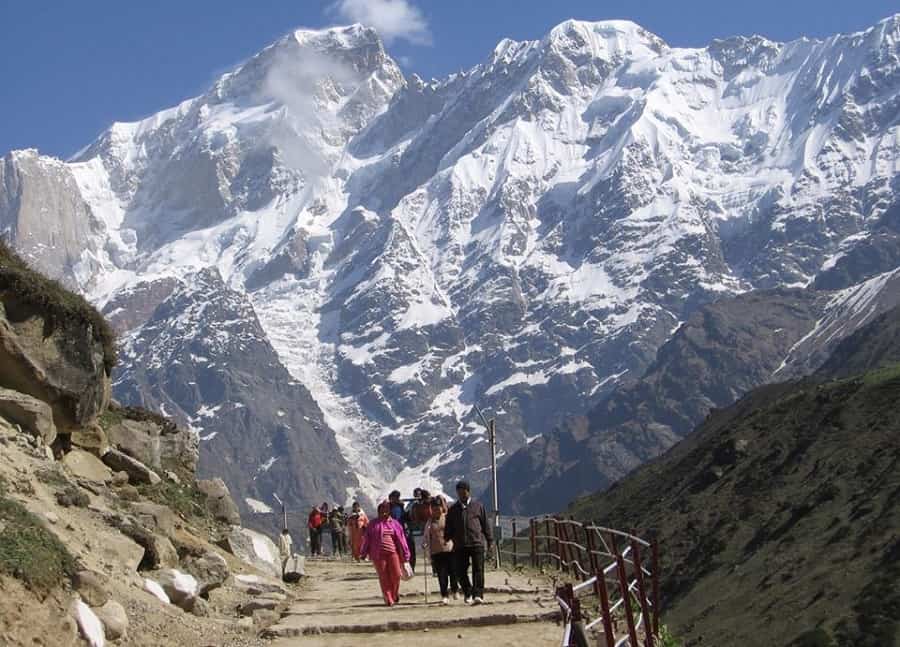
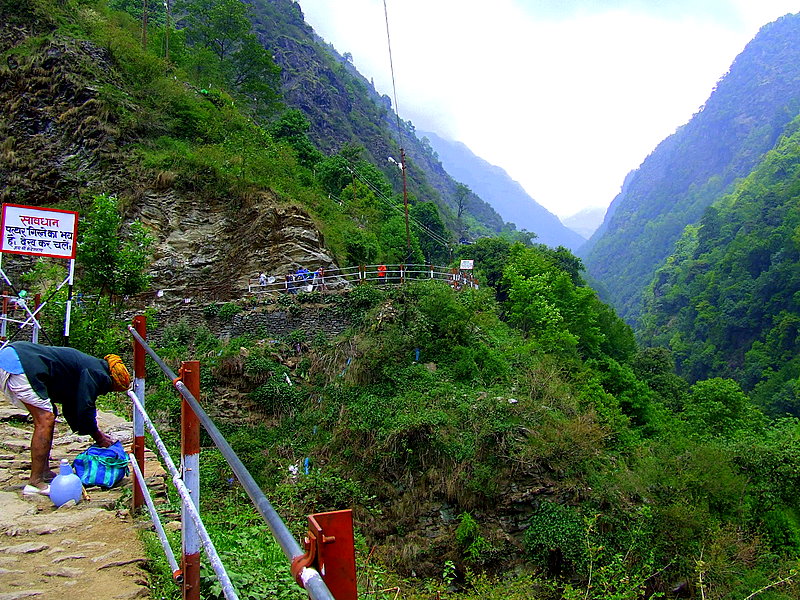
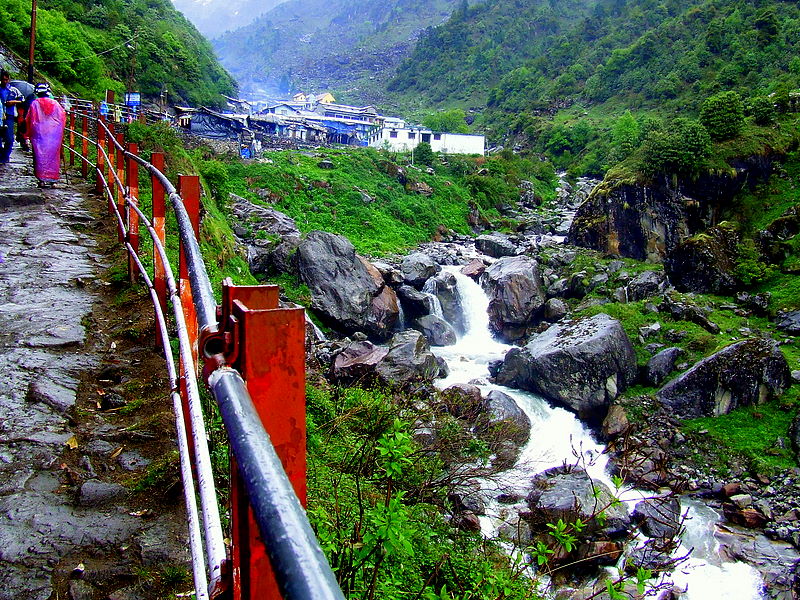
The Kedarnath track is paved and barricaded except at the few patches. In the midst of the trek, there are shelters, proper medical facilities, tented accommodations, drinking water, and small shops/ restaurants.
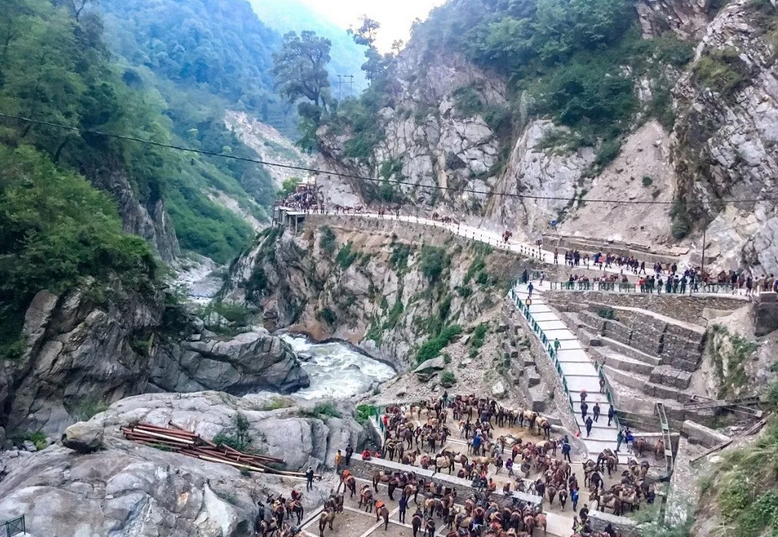
Horses, Palki, and Kandi services are available at the base camp as an alternative to trekking. Remember you can get horses/ ponies easily at the base camps but the chances of getting them on the way are bleak; whereas Kandi and Palki service is available throughout. Rates for Horses/ Ponies is Rs.2300/- from Gaurikund base camp to Kedarnath base camp and Rs. 1500/- for vice versa. Whereas rates for Palki and Kandi varies with weight and you can refer the below chart for the same.

The Helicopter services to Kedarnath are available from Guptkashi, Phata and village Sersi. Helicopter drops the pilgrims just behind the temple and for the revised rates, refer here.
Special arrangements for medical services has been made by the health Department at all the main stops i.e. at Jungle Chatti, Bheembali, Linchauli, and Kedarnath. Doctors are available for 24 hours and there is an arrangement of medicines, oxygen cylinders, telemedicine and even airlifting. There is also a 10 bedded hospital with ECG and other modern facilities at Kedarnath.
Accommodation on the way is available at Jungle Chatti, Bheembali, and Linchauli. At Bheembali there is GMVN Bheema Complex and at Linchauli, there are Shivlok Cottages. At Kedarnath, there are several accommodation options. We stayed at Agra Bhawan, which is just next to Kedarnath Temple.

There are several shacks and restaurants on the way of supplying cold drinks, buttermilk, biscuits, Maggi, and food. The pricing is higher than the regular pricing but it’s worth as it is tough to get and maintain regular supplies here.
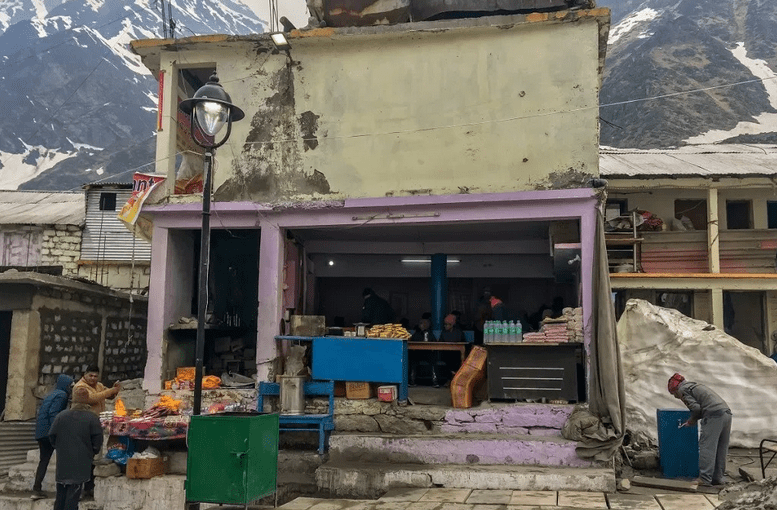
Kedarnath is cold during most of the year and weather too changes here drastically. So, the best time to go is May- June, and September – October. Avoid going during monsoons i.e. July – August as there are heavy rainfall and high chances of landslides.
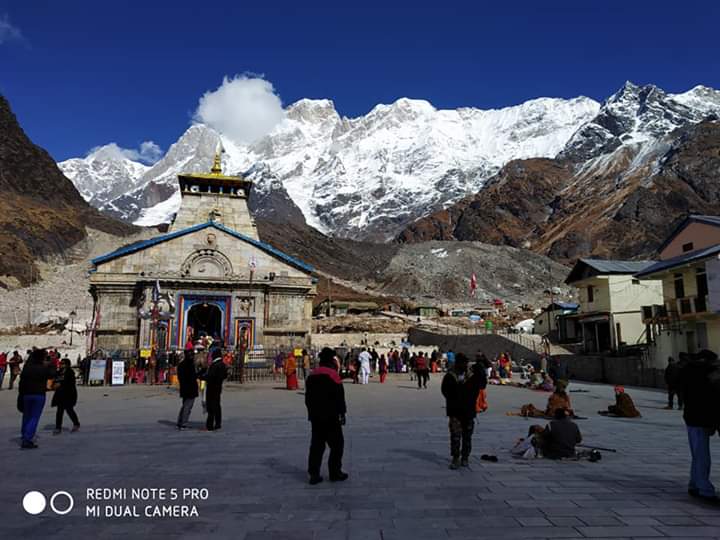
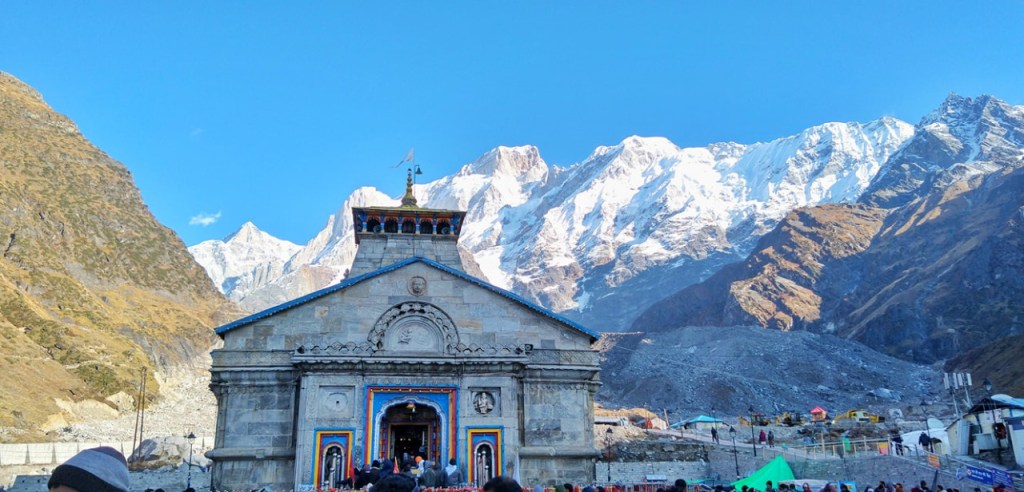
Kedarnath Temple opens up on the auspicious day of Akshay Tritiya (which falls in April – May) and closes on Bhai Dooj i.e. after Diwali (October – November). In 2020, the temple opened up on 28th April and probably will close on 16th November.
Temple Timings are: 4:00 am -9:00 pm
Because of the unpredictable weather conditions, there are fixed timings for Kedarnath Yatra too. One cannot go up from Gaurikund base camp after 1:00 pm and cannot trek back from Kedarnath base camp after 5:00 pm.
Trek Level: Steep and Tough
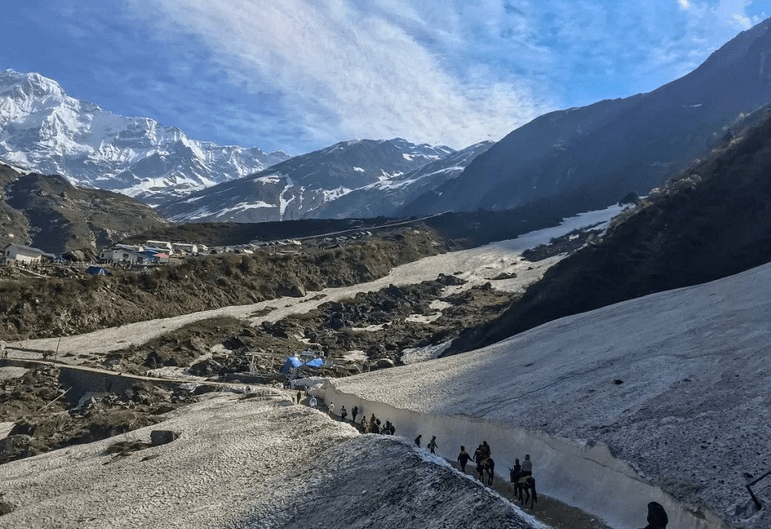
As soon as you park your vehicle in Sonprayag and move from the parking there is a Biometric Registration counter. There is a separate queue for men and women. The police personnel sitting behind the window will ask you for I- card verifies your details, take a picture and issue a Char Dham, Yatra Card. The whole process takes around 15-20 minutes.
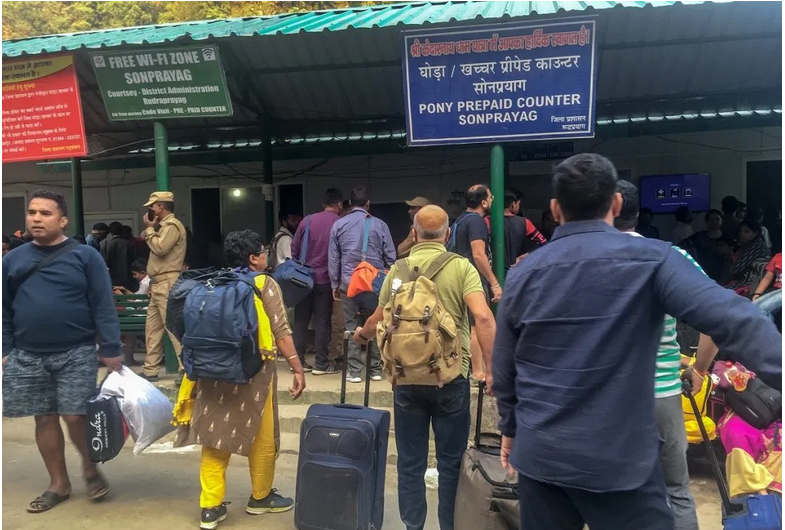
Just adjacent to this counter is a prepaid booking counter for horses/ ponies/ palkis and Dolis. One can book the same from here or from Gaurikund counter. We booked for ourselves from Gaurikund at the fixed government rates only.

Kedarnath; is formed from two Sanskrit words where “Kedara” means field and “Natha” means Lord. So, it is known as a place where the “Crop of Liberation” grows.
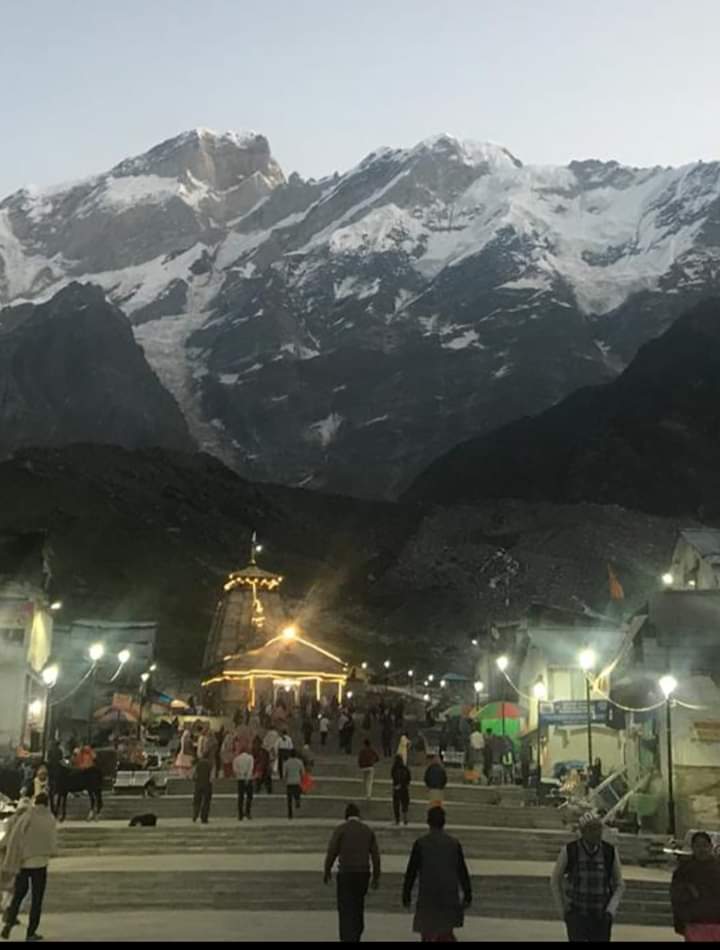
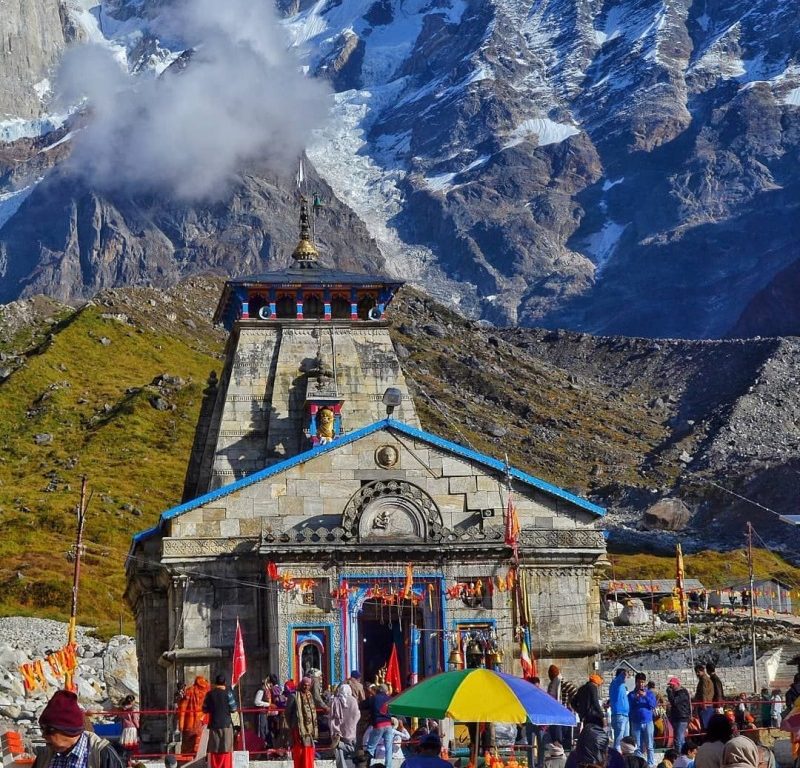
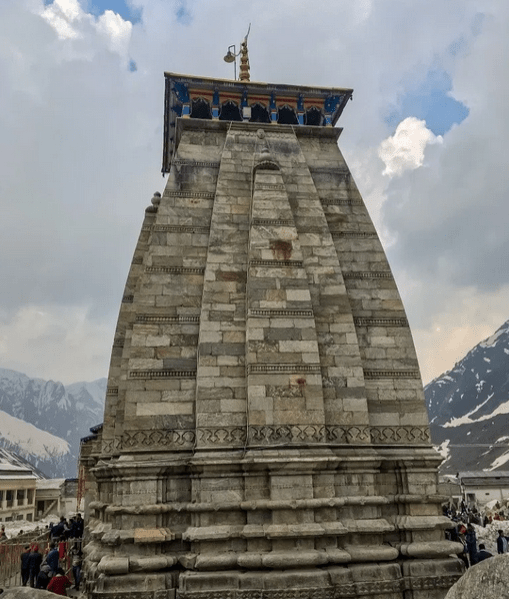
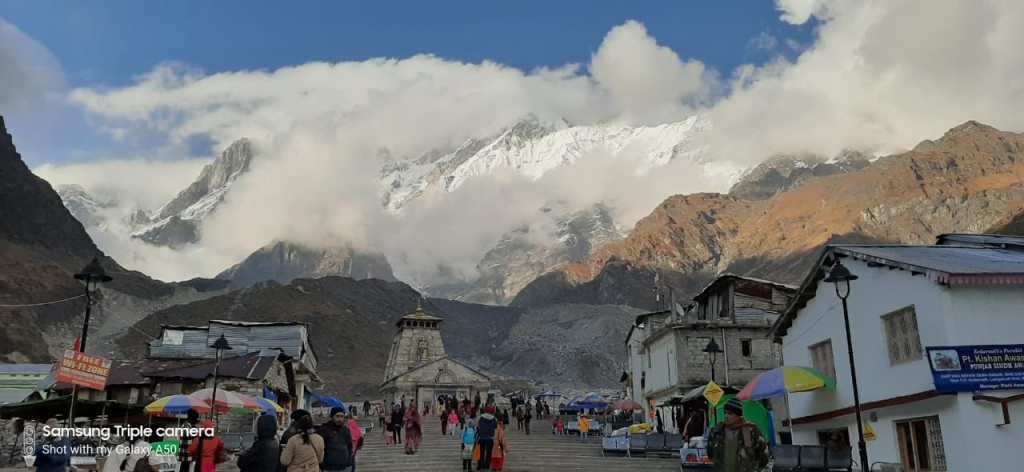
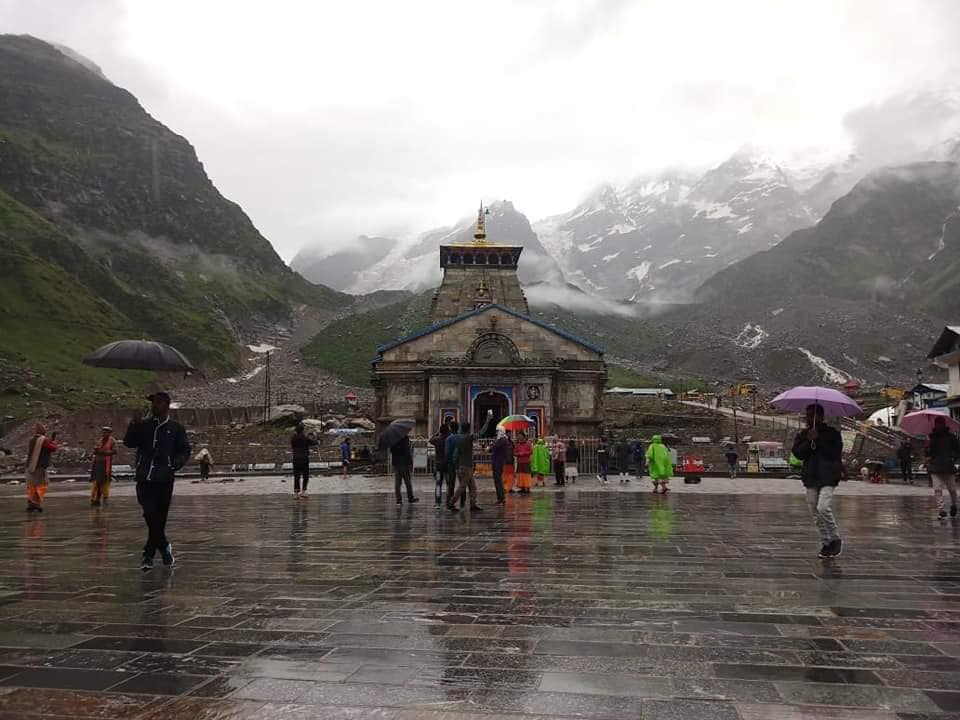
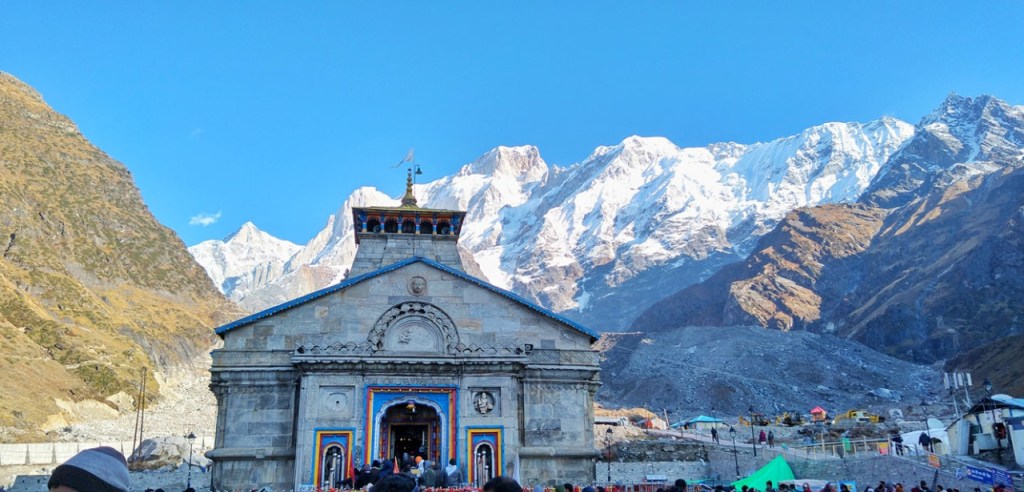
The Kedarnath Temple is located at 11,755 feet in the Garhwal Himalayan range of Uttarakhand, on the banks of Mandakini River (a tributary of Ganga), near the Chorababari glacier. It is a Hindu Temple (Shrine) dedicated to Lord Shiva and is also one of the Jyotirlinga. The temple is 85 feet high, 187 feet in length and 80 feet wide. Its walls are 12 feet thick and are built from extremely strong stones.
For a visit to Kedarnath Temple, one needs to collect the Tokens. They are available at the Kedarnath entry gate, near the market. Remember, the token is for one person only and the collected token is valid for the same day Darshan only. After getting your token, wait for your number to be displayed on the display board.
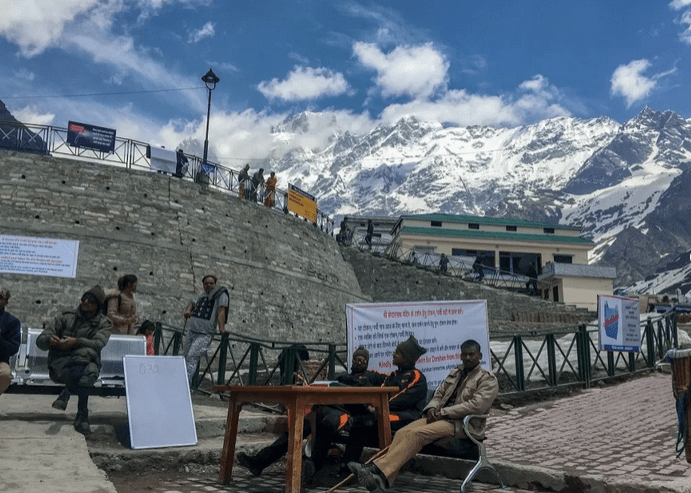
Note: For the next day you need to collect new tokens and the personnel’s are available form 5:00 am to 6:00 pm.
There are several stories of Kedarnath Temple. Some claim it to be built by Guru Adi Shankaracharya in the 8th century whereas others claim it to be built by Raja Bhoj of Malwa in the 2nd century.
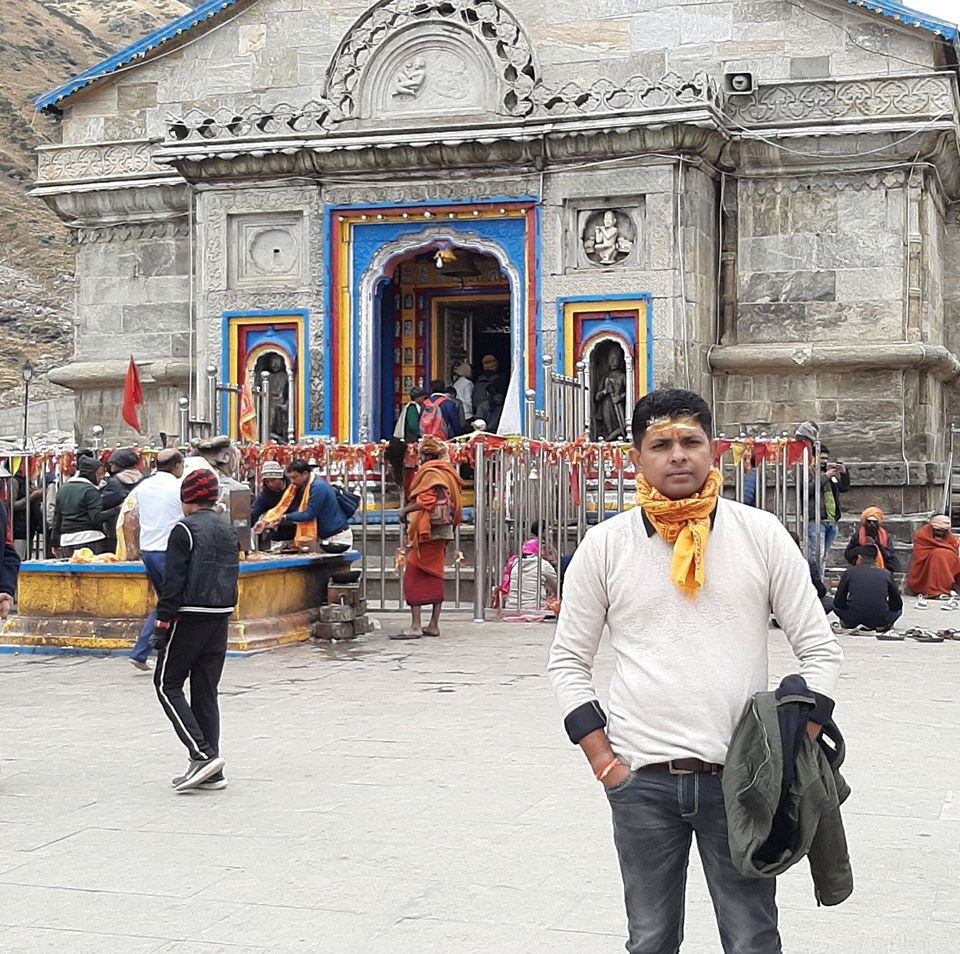
Acc. to Hindu mythology, the temple was initially built by Pandavas. Pandav Brothers after killing their kin during the Kurukshetra war, wanted to seek forgiveness from Lord Shiva but Shiv was not interested in meeting and forgiving them. So, the Lord Shiva left Kashi his abode and came to dwell in these Himalayan range at Guptkashi. However, Pandavas got to know about his presence and they reached here too. To further hide, Lord Shiva turned himself into a bull and got mixed with the grazing cattle. But the Pandavas especially Bhima being too smart tracked Lord Shiva, and on realizing this Lord Shiva tried to disappear by sinking himself head-first into the ground. One of the brothers grabbed his tail and hind limb, forcing him to appear and forgive them. So, the hump is found at Kedarnath whereas the rest body parts are found at four other locations and together these places are known as Panch Kedars.
There is another Hindu story, in which a Hindu Deity Nar Narayana performed a severe act of austerity and on getting pleased, Lord Shiva appeared in front of them to grant their wish. The Deity requested Lord Shiva to stay here in the original form i.e. Jyotilingam for the welfare of humanity. Shiva granted their wish and Kedarnath became his abode.
Now, the most Interesting story is that Geologist believes that the Kedarnath temple remained hidden under the snow for 400 years during the Little Ice Age era i.e. from 1300to 1900 AD. The yellow lines on the temple structure completely depict the glacial activity it had undergone.
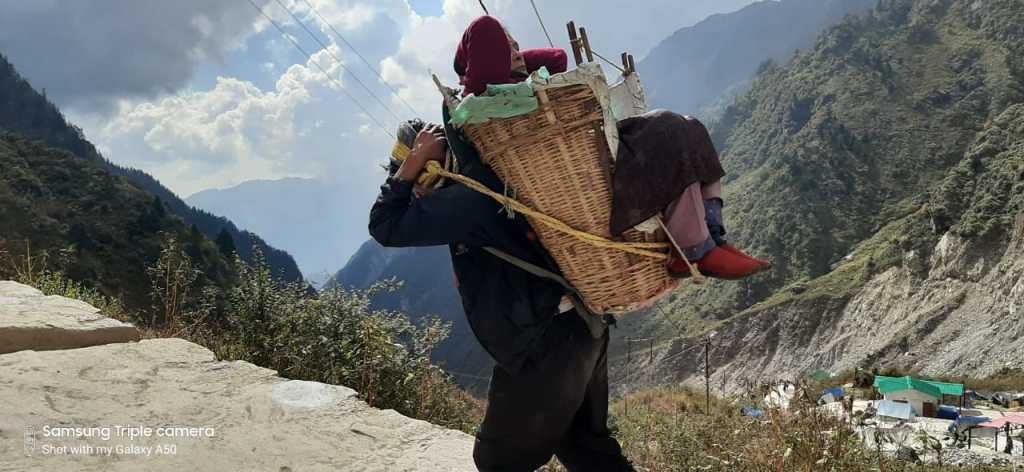
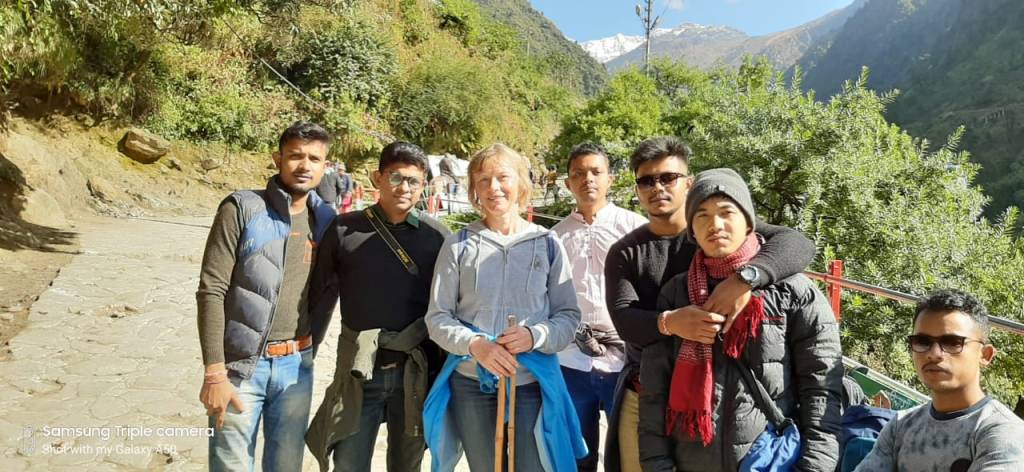
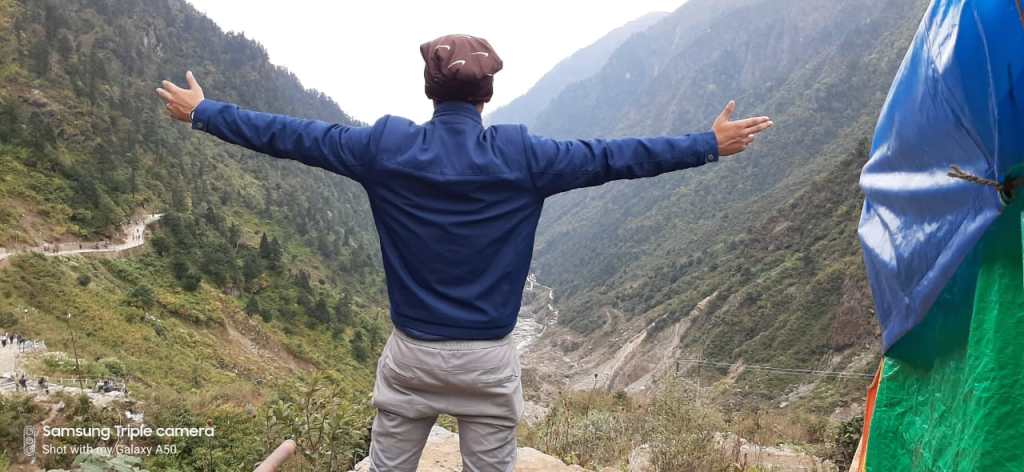
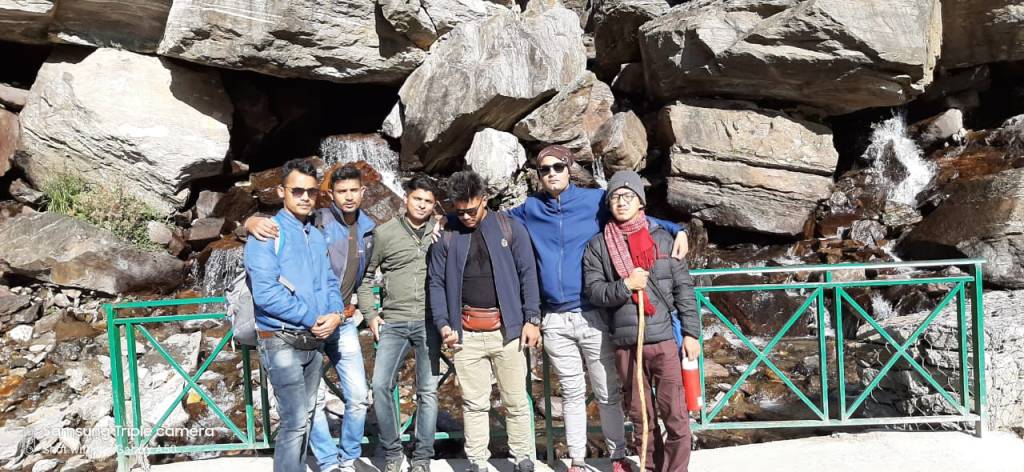
Kedarnath Temple is an ages old stone temple. Its architecture truly looks quite stout and that has been proved, as it still stands magnificently even after all the natural calamities and catastrophes.
Climb 3-4 stairs and you enter the first hall of the Kedarnath Temple. The Temple is dark and gloomy form inside, It houses statues of the five Pandava brothers (Bhim, Nakula, Yudishitra, Arjun and Sahadeva) and their consort Drapudi, Lord Krishna, Nandi- the vehicle of Shiva in the center and Virabhadra (one of the guards of Shiva). Another beautiful silver door decorated with Om makes you enter the main hall. In the center of the main hall, is a conical or triangular shaped stone considered to be the Dhad (Torso) of Lord Shiva. The stone was completely covered in ghee and butter by pilgrims. Earlier the pilgrims used to pour milk and water on Shivlinga but now the management has stopped it. The statue of Shiva and other deities are also installed in the main hall.

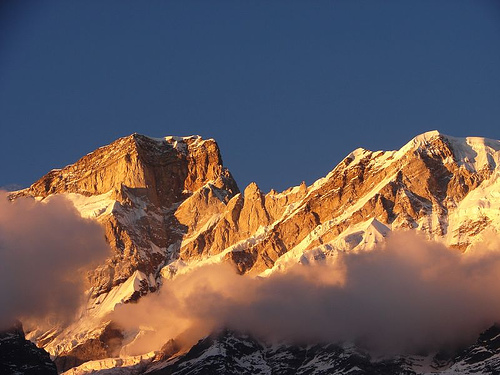
As you step out the temple and start circumvallating around the temple; you will see the temple is surrounded by snow-covered peaks from all three sides. On the front, there is a huge statue of Nandi.
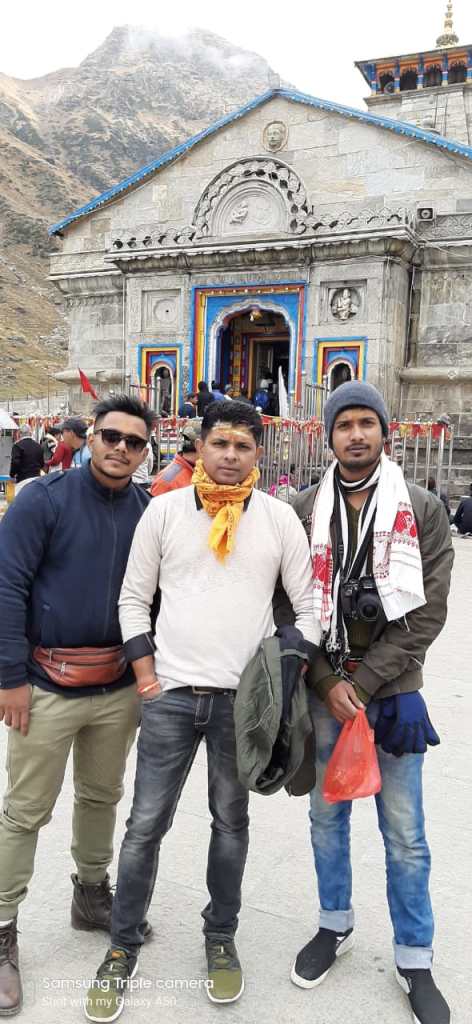
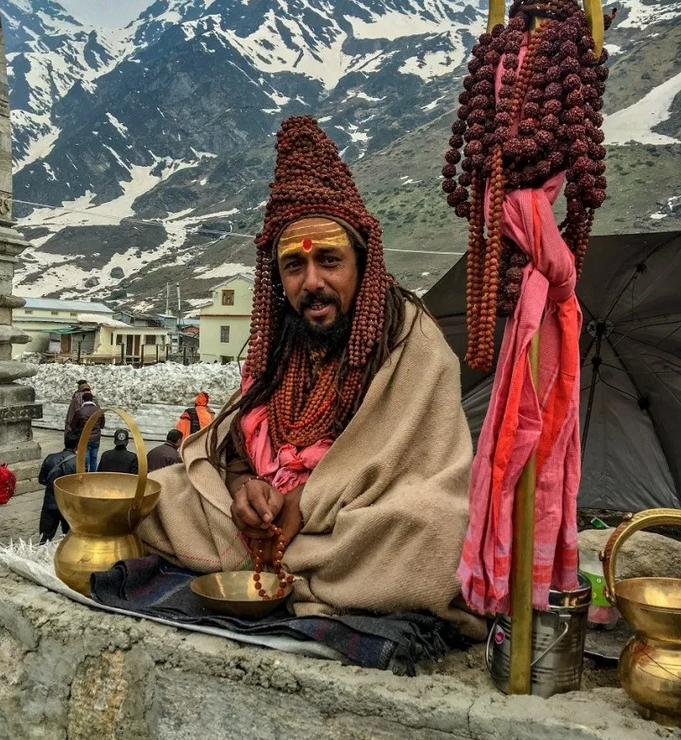
And rest on all the sides, dozens of Sadhus and Saints, half-dressed half naked are sitting in various colorful attires. They are Lord Shiv devotees and live a hard tough life, like him.
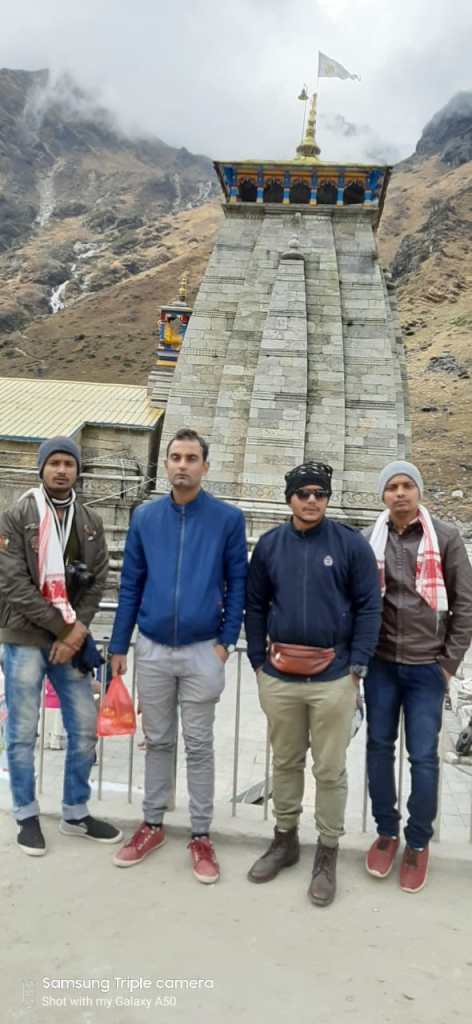
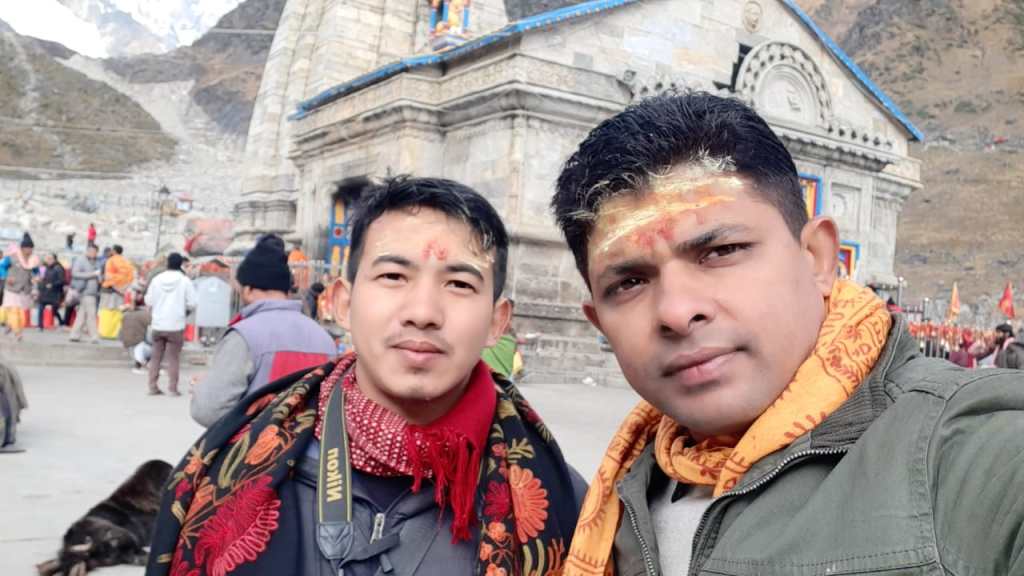
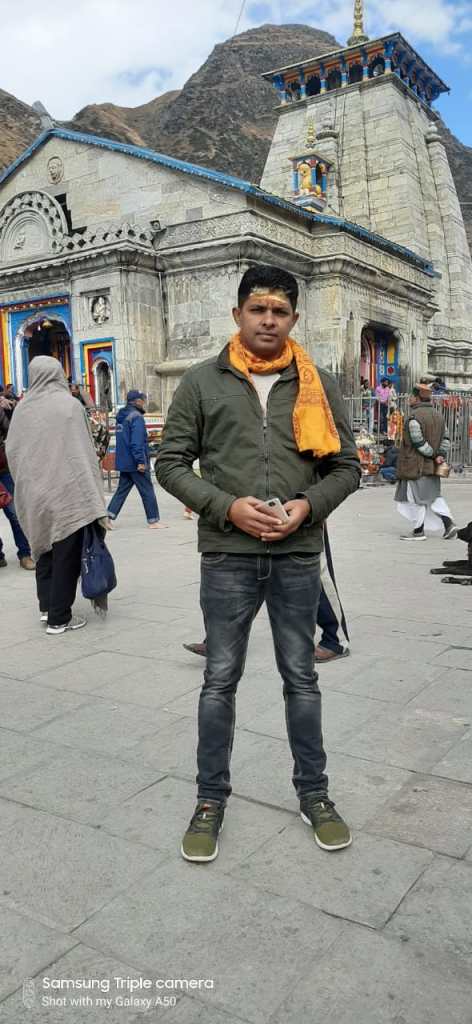
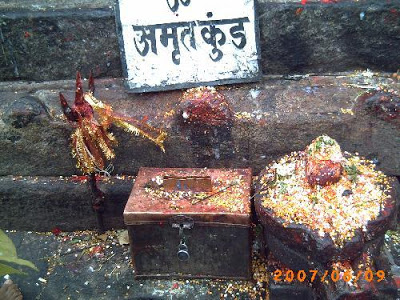
On both sides there are beautiful colorful doors which resemble the ones from Badrinath Temple and at the back is an Amrit Kund. Some Pilgrims just wanted to just touch and taste this water whereas others wanted to fill the bottles and take back home.
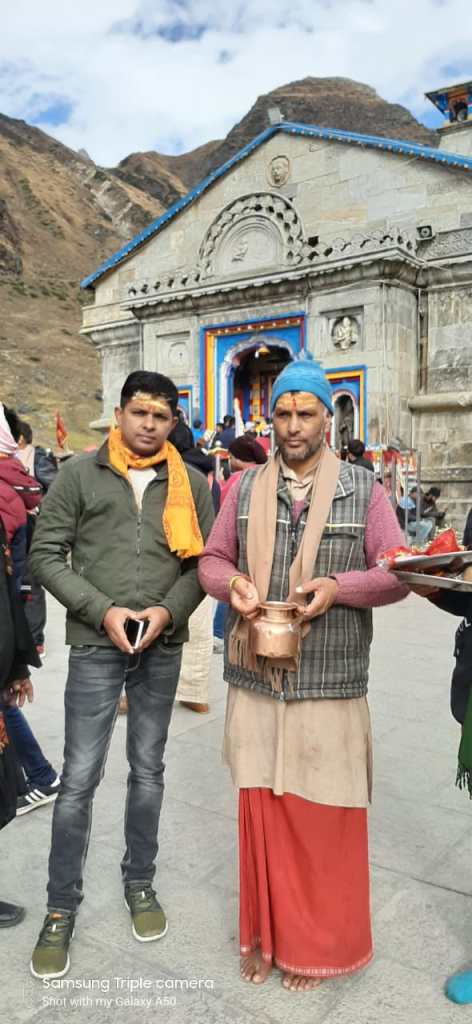
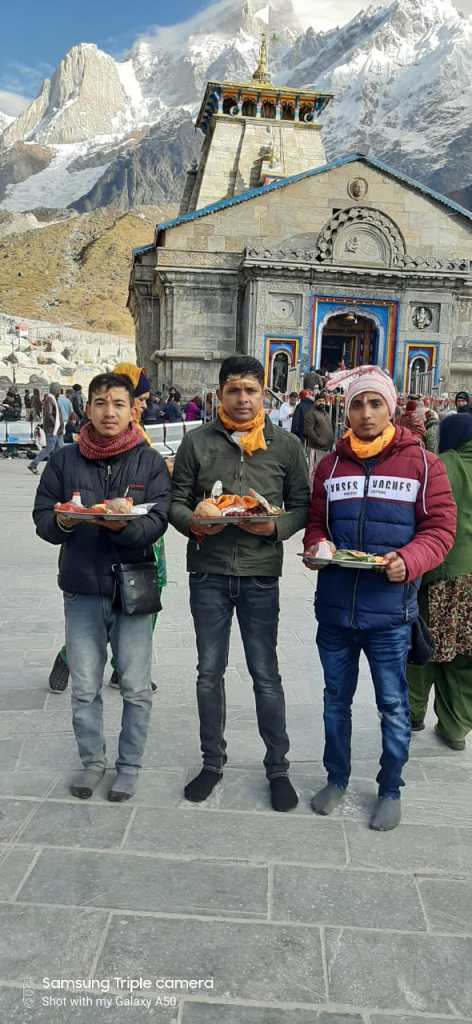
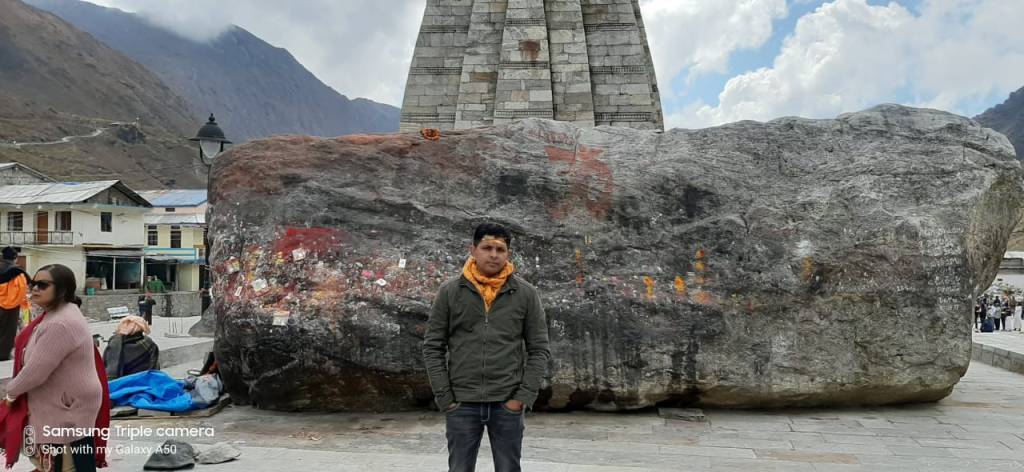
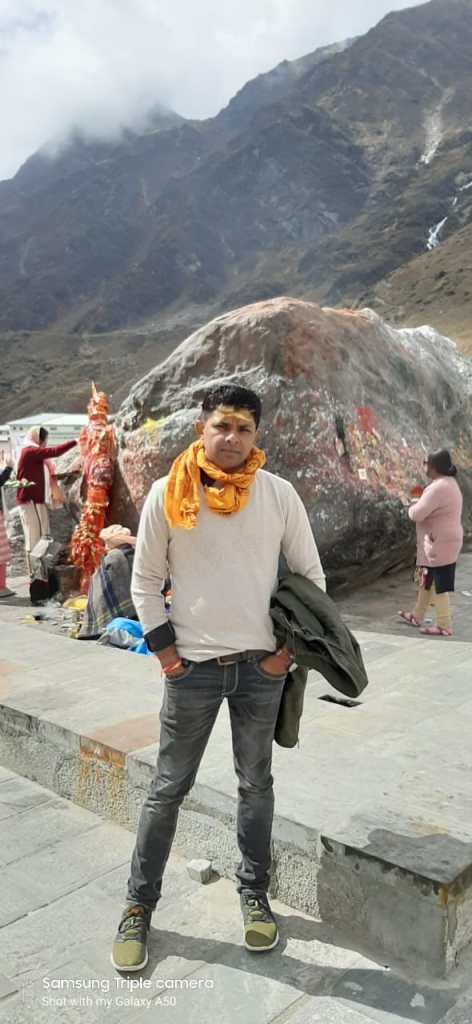
Just Like Bheem Shila in Mana village near Badrinath temple, there is a huge Shri Divya Bhim Shila behind the Temple. This stone is believed to be the one which protected the temple from devastation during 2013 North India flash floods. But the locals or priests have another story to it. They believe the Shila is just another stone which came down during natural calamity towards Kedarnath Temple and it is the pilgrims who have made a temple around it and now consider it to be sacred.
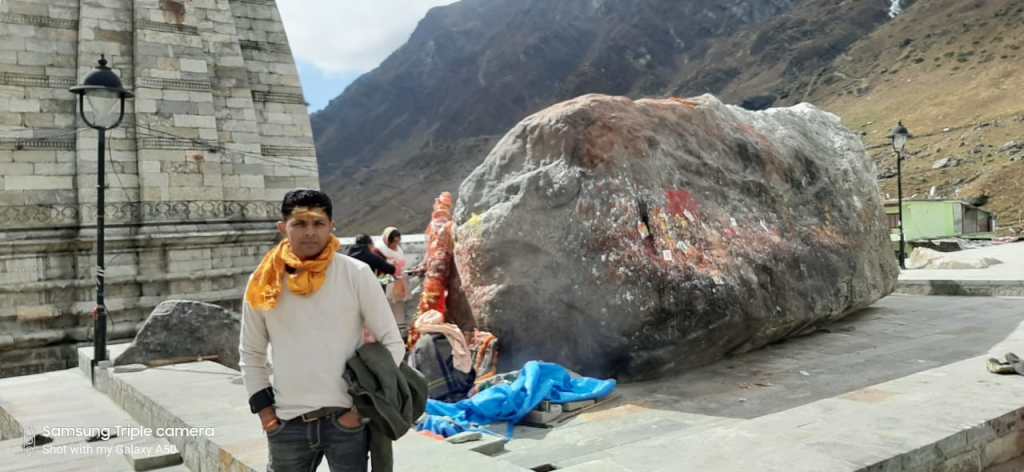
At Kedarnath, there are several accommodation options from Hotels to guest houses to Bhawans. During our visit, only a few of them were operational whereas the others were closed or in bad shape due to the extreme snowfall in winters. The government claims to have made an arrangement of 3000 pilgrims but we really doubt that.
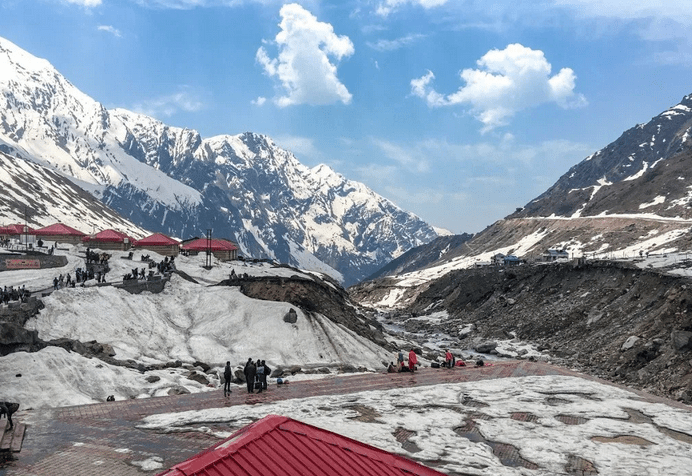
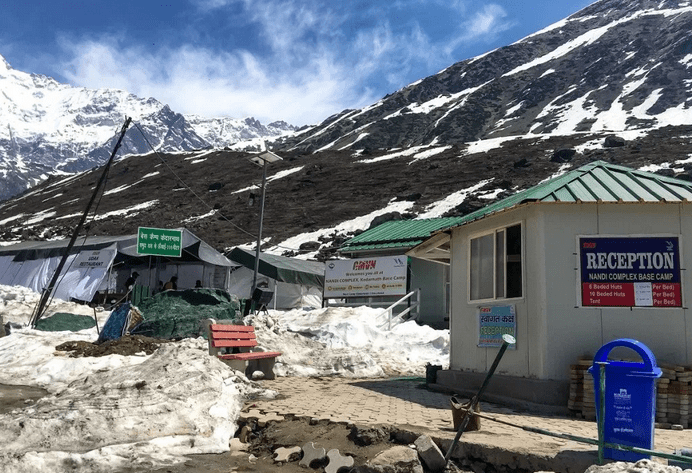
GMVN (Garhwal Vayu Mandal Nigam) the government authorized tents were also operational at Kedarnath but they were far from Kedarnath Temple and charges were Rs.900/- per bed for 6 Bedded huts, Rs. 750/- per bed for 10 Bedded huts and Rs. 300/- for tents, with common sharing washrooms.
We stayed at Agra Bhawan, just next to the Temple, where a four-bed room with attached washroom costed us Rs. 3000/- and 1 bucket of hot water costs around Rs.80/-. Another good option we recommend to stay is Himachal Bhawan just opposite to Agra Bhawan and near to Temple.

As you leave the Kedarnath Temple and move down the stairs, starts the Kedarnath Haat Market. During our visit, there was lots of snow around the shops and the whole of the market looked closed only.
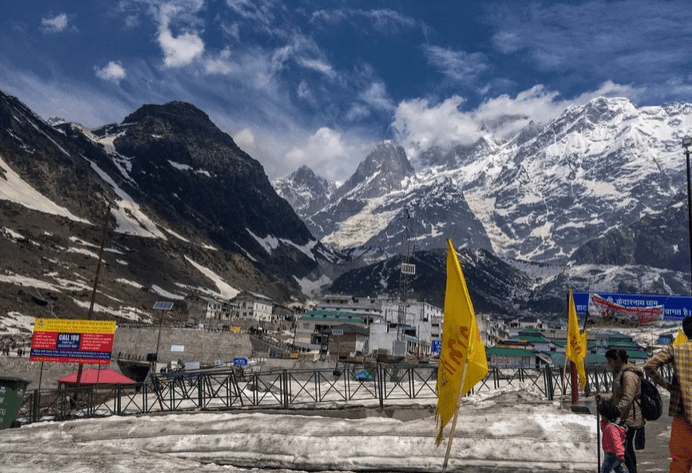
20-25 steps down from the Kedarnath Temple is a food shop which serves Indian food, Tea, snacks, etc. Just opposite to it there was another operational Dhabha.
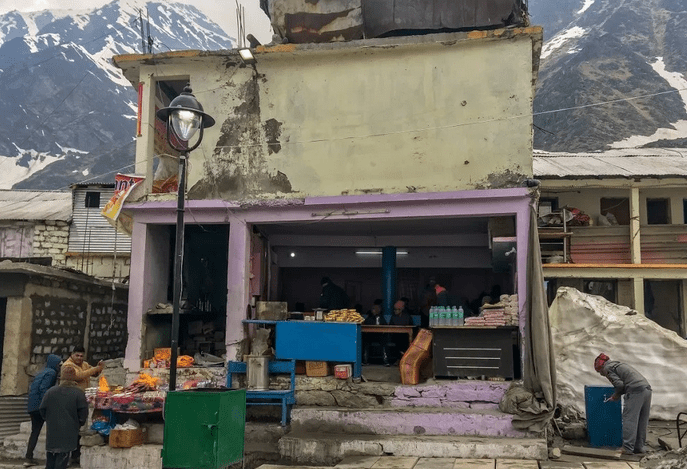
Another option for getting food is the guest house or Bhawan, where you are staying at but we opted to have it in the market itself.
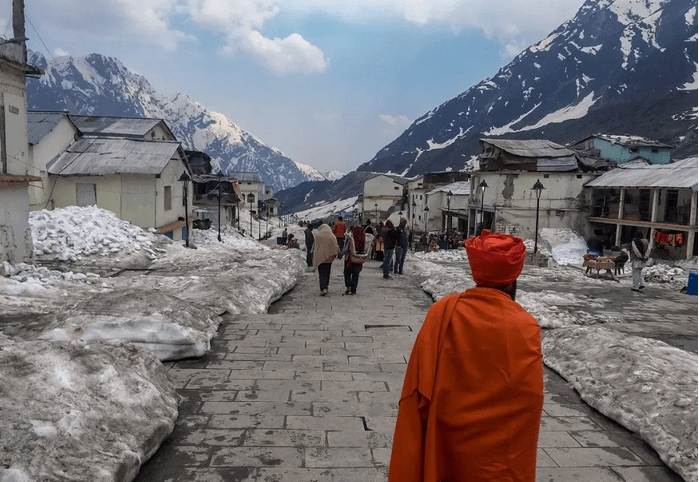
Kedarnath is really unpredictable in terms of weather. If one moment it is sunny, other moment weather can take a twist and it will be snowing. You will find banners everywhere on the route quoting you to carry Warm Clothes, Raincoats, and Umbrellas with you, and they actually make a lot of sense. We experienced all types of weather in a single trip.

Here, the Day temperatures varies between 5- 10 degrees Celsius whereas the night temperatures can go low to -5 degree Celsius too.
For Kedarnath trip, one needs to pack and wear clothes in layers. While walking or at some places you may feel hot and removing layers but be really cautious. The clothes you must wear are:
At Kedarnath Dham, you have limited options for everything from living to food, so just pack a small backpack. The must in the backpack should be a towel, toiletry kit, an extra pair of your clothes, medicines and a small portion of energy food like nuts, chocolates or energy bar.
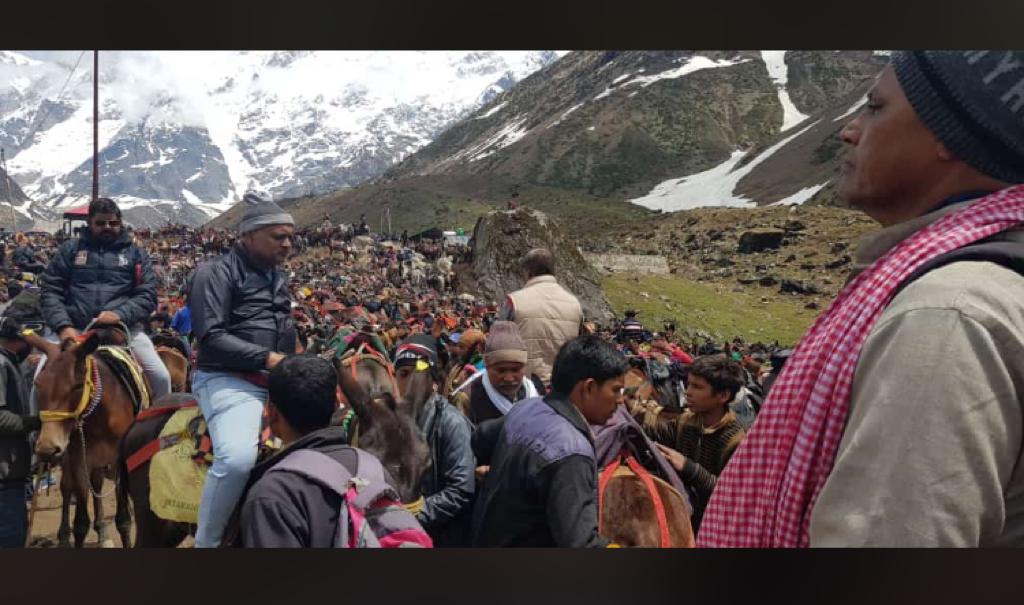
In case of emergency, there is a medicine shop and relief center at Kedarnath, from where one can make a purchase.
The Bhairo Nath Temple, located at a very short distance from Kedarnath Temple is known as a guardian of the Kedarnathji. It is believed that Bhaironathji guards the Kedarnath Temple by keeping away the evil while the temple remains closed. Therefore the Bhairon Nath Temple is visited ceremoniously at the opening and closing of Kedarnath.

During our visit, the Bhairav Nath Temple was yet not opened. So, the Aarti ceremony was not performed at the Kedarnath Temple.
It is said that there are several Kund at Kedarnath but still many of them haven’t been revived after the 2013 Disaster. The one we could see clearly was Google Kund.
Around 0.5 Km from Kedarnath Temple, there is an interesting semi-frozen Kund known as Google Kund.
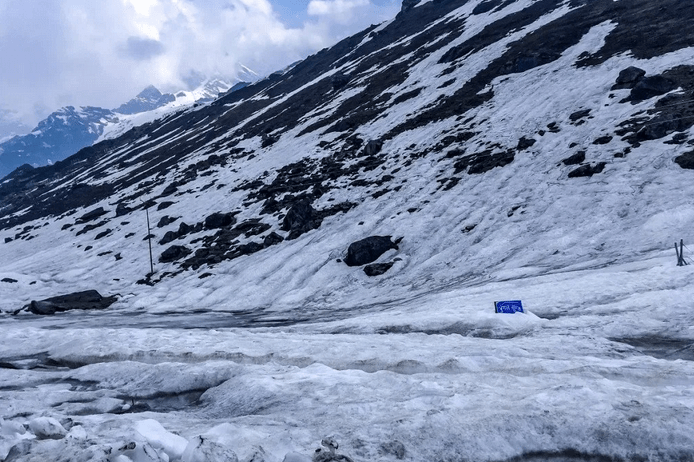
At a distance of 3 kms from Kedarnath Temple, at 12,795 feet lies a beautiful lake known as Chorabari Sarovar or Gandhi Sarovar fed on Chorabari Glacier. The trek to Lake passes through green grasslands and it is advised to carry the trek during the morning only as temperature and weather changes here drastically.
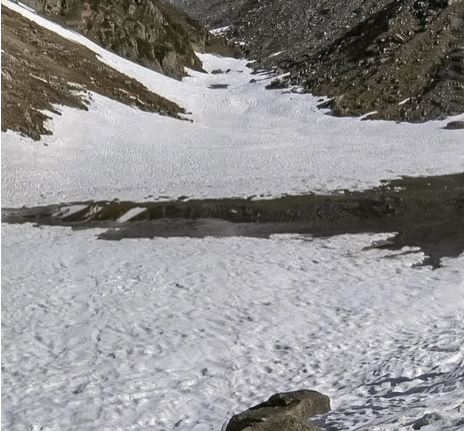
The Sarovar was initially known as Kanti Sarovar and was renamed to Gandhi Sarovar in 1948 when ashes of Mahatma Gandhi were immersed into the Sarovar. But now, no more the lake exists as the glacier has resided.
Vasuki Tal lies at 13, 566 feet and can be reached by trekking for 8 Kms from Kedarnath Temple. The trek is said to be extremely steep, difficult and can be carried only under supervision. Vasuki Tal is surrounded by high mountain peaks and offers a view of Chaukhamba peak.

There are several beautiful, colorful flowers around the Vasuki Tal and one of the famous flowers is Brahma Kamal. During winter the lake it is completely frozen.
Around 1.5 kilometers from Kedarnath Temple, at GMVN, in isolation are available underground mediation caves known as Rudra or Modi Meditation caves. The caves have a window for the direct view of Shrine and can be booked at Rs.990/- per day, for a maximum period of 3 days. They are equipped with electricity, water, heater, attached toilet, and phone to call authorities in case of emergency.

Before dwelling into the cave, one needs to undergo a medical test at Guptakashi and only those found medically fit can stay here. And only one person can stay at a time inside the cave. For more details and bookings check here.
The resting place of Adi Shankaracharya is an extremely renowned place in Kedarnath. The hot water spring present there is believed to remove all the suffering of the devotees.
There are several hotels, guest houses and Bhawans to stay in Gaurikund but if you have no prior bookings then availability will be completely on your LUCK. We went prior booking and trust me, we had a tough time in finding one for ourselves. Finally, we got a room in the market at Subash Hotel, with attached washroom. 4 of us (We and our parents) accommodated in a 3-bedroom which costed us Rs. 1500/. And a bucket of hot water cost us Rs. 60/- per head.
Note: Hotels, guest house people don’t take advance bookings in Gaurikund, even on giving advance and pricing changes every day. The maximum they can charge is Rs.3000/- per night.
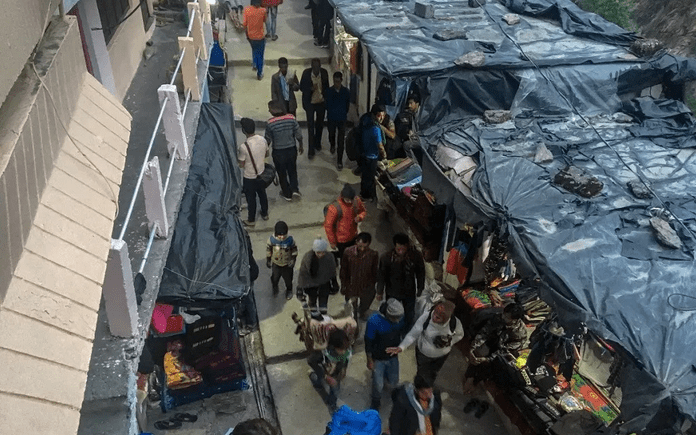
The tip to remember here is bend forward while climbing upward and bend backwards while climbing down and hold the saddle tightly.
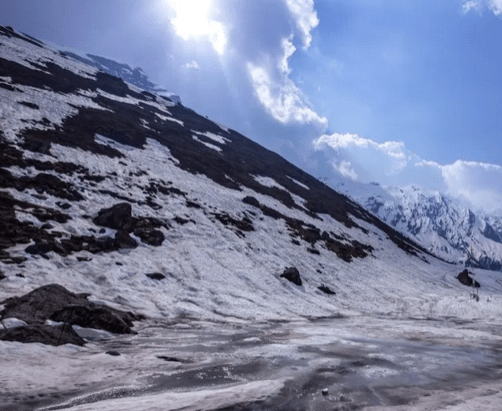
Trek to Kedarnath Temple is quite challenging and one actually needs a good fitness level to do it. The lofty snow-covered peaks, verdant grasslands, and River Mandakini makes the trek to Kedarnath unforgettable. The facilities and cleanliness on the way and at Kedarnath Temple are completely beyond expectations. Incredible India is definitely doing a great job to make Char Dham Yatra seamless.
Devprayag – where Sangam of River Alaknanda and River Bhagirathi happens
Rudraprayag – where Sangam of River Alaknanda and River Mandakini happens
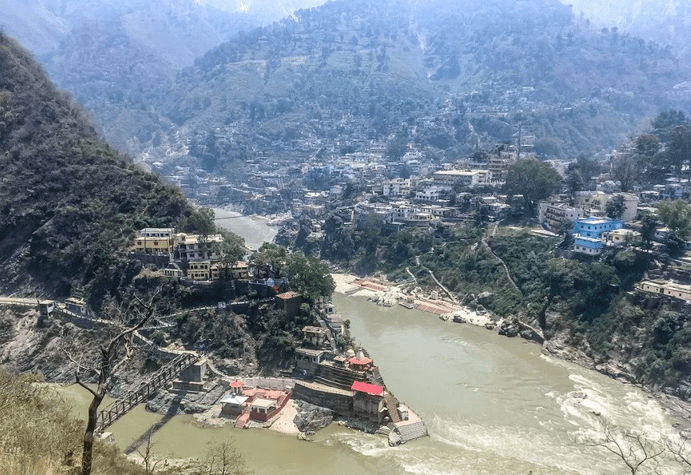
Sonprayag – where Sangam of River Basuki and River Mandakini happens
Agastmuni – 20 Kms from Rudraprayag is known for Agastmuni Templebuilt in the name of famous Saint Agastya
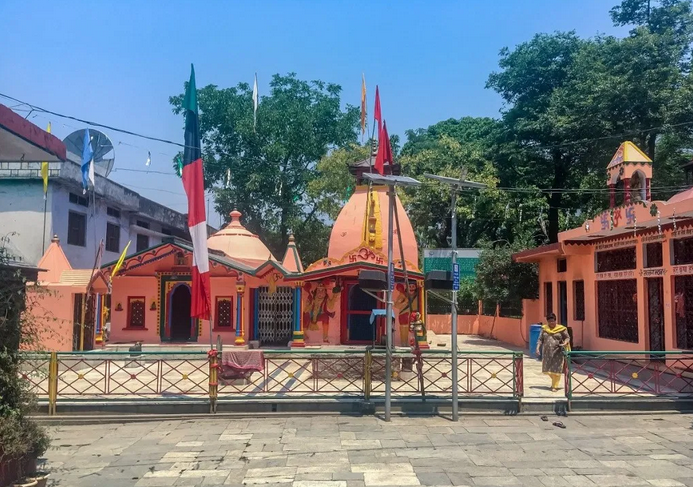
Guptkashi – is believed to be a place where Lord Shiva hid from the Pandavas. The place has two temples. Viswanath temple has several incarnations of Lord Shiva. Ardhanareeshwar temple, on the other hand, depicts Lord Shiva in the form of half man and half woman. In addition, there are two streams of water located in the temple, which symbolizes the two holy rivers, Ganges and Yamuna.
Gaurikund – The base camp to Kedarnath houses an ancient temple of Goddess Paravati. It is said that Goddess Paravati meditated here for a long time to win Lord Shiva as her husband. There is also a common hot water spring here. For Ladies, there is a separate one too but currently, it was not operational.
Ukhimath- is the winter abode of Lord Kedarnath and Madhyamaheshwar
Triyuginarayan Temple – located at a distance of 5 Kilometers from Sonprayag, is a Temple where Lord Shiva tied the knot with Goddess Parvati. Tourists visiting this sightseeing place can also make a visit to other attractions such as Vishnu Kund, Rudra Kund, and Brahma Kund.
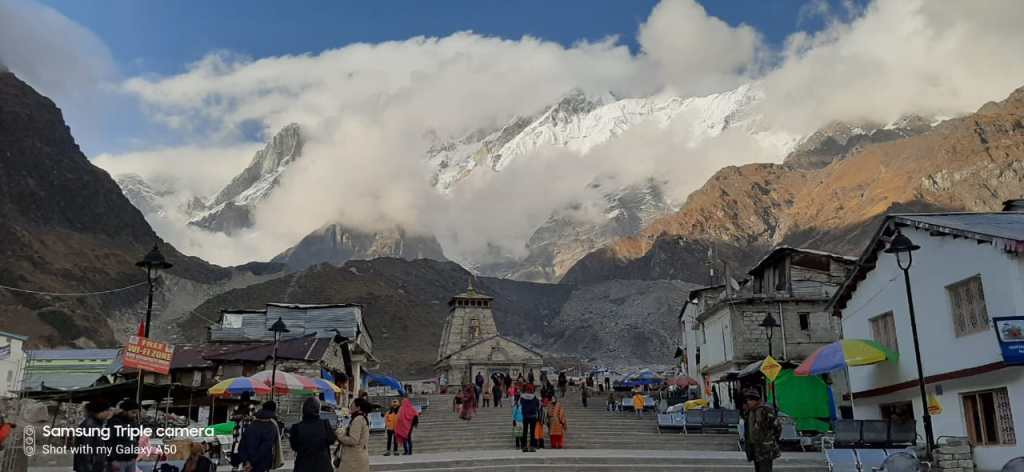
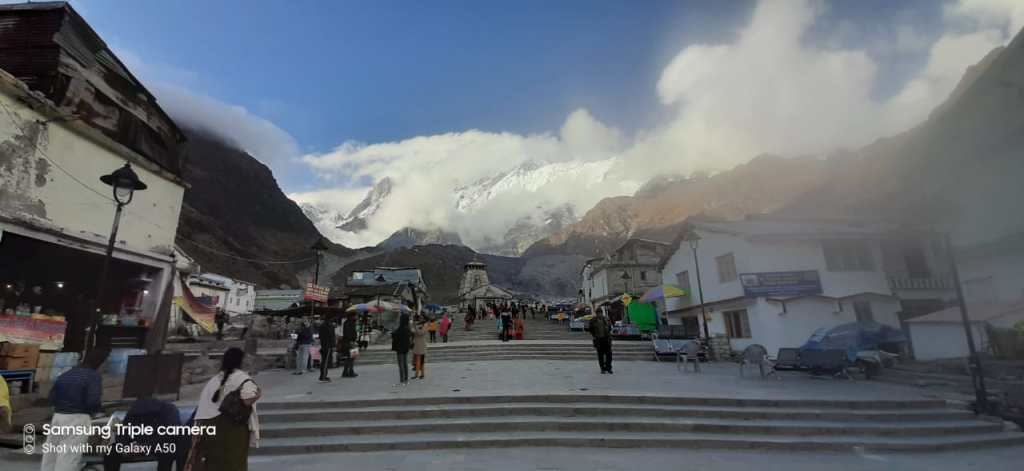
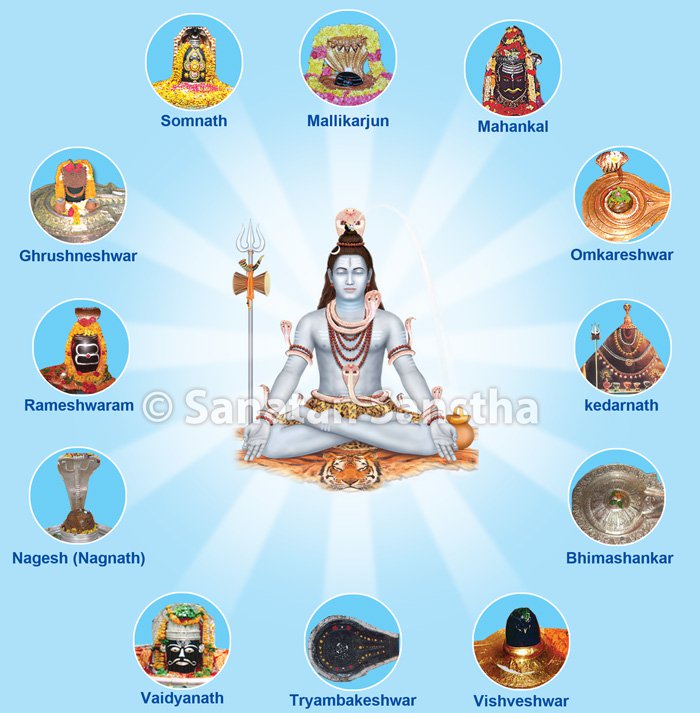
Jyotirlinga are the 12 special shrines dedicated to Shiva since ancient times .A Jyotirlinga or Jyotirling or Jyotirlingam is a shrine where Lord Shiva , an aspect of God in Hindusim is worshipped in the form of a Jyotirlingam or Lingam of Light,There are Twelve Jyotirlinga Temples in India These 12 jyotirlinga shrines are-
Mahadev. Shiva. The Destroyer of Evil. Called by different names but ultimately the Supreme Being. Being a Hindu, most of the people come across the term “Jyotirlinga” quite a few times while growing up. Shiva’s Jyotirlinga is highly revered among the Hindus. A Jyotirlinga is a shrine where Lord Shiva is worshipped in the form of a Jyotirlingam. Now you would ask what a Jyotirlingam is? It is the radiant sign (phallus symbol) of The Almighty. A Jyotirlinga is a holy representation of Lord Shiva. The word ‘Jyoti’ means light and ‘linga’ means sign. Jyotirlinga is the light of Lord Shiva.
It is believed that Lord Shiva first manifested himself on Earth on the night of the Aridra Nakshatra, thus the special reverence for the Jyotirlinga. There is no unique appearance to mark the Jyotirlingas. Many people believe that you can see these lingas as columns of fire piercing through the earth after you reach a high level of spiritual attainment. Originally there were 64 Jyotirlingas out of which 12 are considered to be highly auspicious and holy. The 12 Jyotirlingas sites in India take the name of the presiding deity. Each considered a different manifestation of Lord Shiva. The primary image as all these lingas is the “lingam” representing the beginning and end stambh pillar or the infinite nature of Lord Shiva.
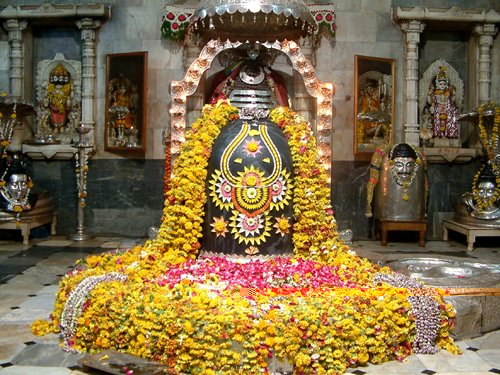
Temple of Lord Somnath is situated near the town of Veraval in Western part of Gujarat. The temple is dedicated to Someshwara, the Lord Shiva, with moon on his head. There is an interesting story associated with the emergence of this Jyotirlinga, mentioned in the Purana. This is a highly revered pilgrimage site in the country. There is a legend related to how this Jyotirling in Gujarat came into being. According to the Shiva Purana, the moon was married to 27 daughters of Daksha Prajapati, out of which he loved Rohini the most. Seeing his negligence towards the other wives, Prajapati cursed moon that it would lose all its radiance. A disturbed moon along with Rohini came to Somnath and worshipped the Sparsa Lingam after which he was blessed by Shiva to regain his lost beauty and shine. On his request, Lord Shiva assumed the name Somchandra and resided there eternally. He became famous by the name Somnath. Ever since the Somnath Jyotirlinga has been destroyed and rebuilt many times in history. #KedarnathCharDham #BapanRoy
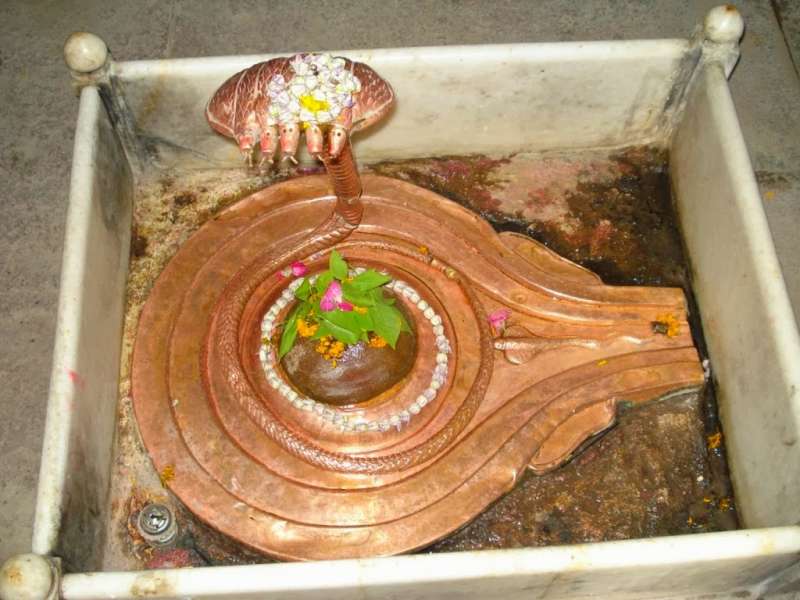
The temple of Lord Mallikarjuna is situated in the state of Andhra Pradesh. The temple is situated in the town of Srisailam on the banks of River Patalganga Krishna. Srisailam mountain is looked upon reverentially as the Kailash of South. The Mallikarjuna Temple is situated on the Shri Shaila Mountain, on the banks of the Krishna River in the southern part of Andhra Pradesh. It is also known as “Kailash of the South” and is one of the greatest Shaivite shrines in India. The presiding deities at this temple are Mallikarjuna (Shiva) and Bhramaramba (Devi). According to the Shiva Purana, Lord Ganesha was married off before Kartikeya which left Kartikeya angered. He went away to the Kraunch Mountain. All the Gods tried to console him but in vain. Ultimately Shiva-Parvati themselves travelled to the mountain but were turned away by Kartikeya. Seeing their son in such a state they were very hurt and Shiva assumed the form of a Jyotirlinga and resided on the mountain by the name of Mallikarujna. Mallika means Parvati, while Arjuna is another name of Shiva. It is believed by the people that just seeing the tip of this mountain one is emancipated of all sins and becomes free from the vicious cycle of life and death. #KedarnathCharDham #BapanRoy
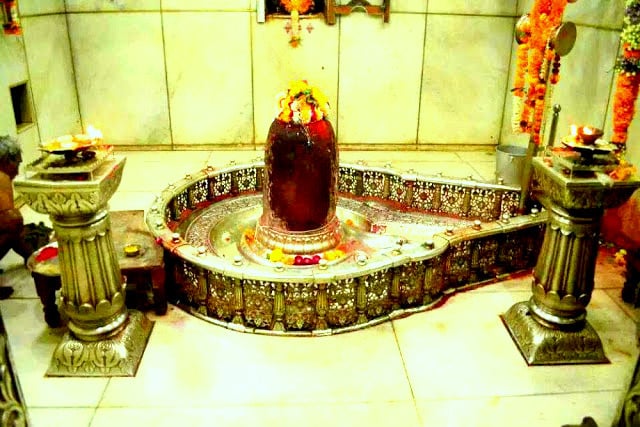
Mahakaleshwar is one of the 12 Jyotirlingas Temples in India, the lingam at the Mahakal is believed to be swayambhu (born of itself), deriving currents of power (Shakti) from within itself as against the other images and lingams which are ritually established and invested with mantra-shakti. Mahakaleshwar Temple is located on the banks of the Kshipra River, in the dense Mahakal forest in Ujjain, Madhya Pradesh. This Jyotirlinga in Madhya Pradesh is an important pilgrimage site in Central India. There are a number of legends related to how this Jyotirlinga came into existence. According to the Puranas, there was a five-year-old boy Shrikar who was enthralled by the devotion of King Chandrasena of Ujjain towards Lord Shiva. Shrikar took a stone and started worshipping as Shiva. Many people tried to dissuade him in different ways, but his devotion kept growing. Pleased by his devotion, Lord Shiva assumed the form of a Jyotirlinga and resided in the Mahakal forest. The Mahakaleshwar Temple is considered significant by the Hindus for another reason. It is among one of the seven “Mukti-Sthal” – the place that can liberate a human. #KedarnathCharDham #BapanRoy
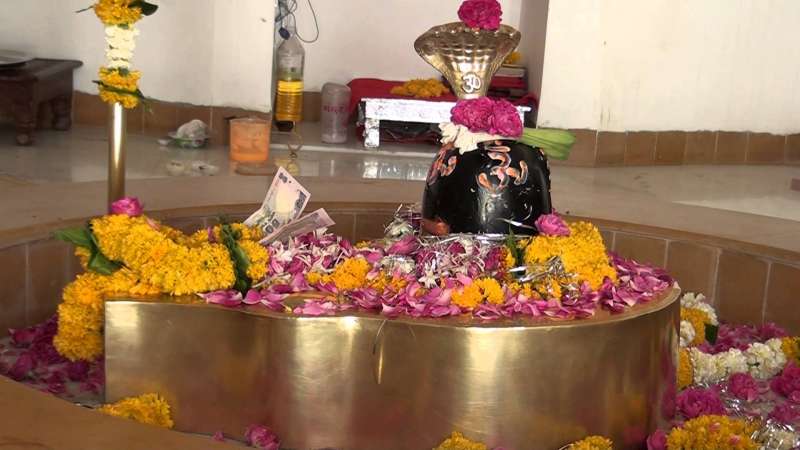
The Temple of Lord Omkareshwar is situated on the banks of River Narmada, in between Indore & Khandwa.Lord Omkareshwar Jyotirlinga Temple is situated by the banks of Narmada river in the Malva area. Omkareshwar Temple is one of the highly revered Jyotirlinga and is located on an island called Shivapuri in the Narmada River in Madhya Pradesh. The word Omkareshwar means “Lord of Omkaara” or the Lord of the Om Sound! According to the Hindu scriptures, once upon a time, there ensued a great war between the Devas and Danavas (Gods and Demons), in which the Danavas won. This was a major setback for the Devas who then prayed to Lord Shiva. Pleased with their prayer, Lord Shiva emerged in the form of Omkareshwar Jyotirlinga and defeated the Danavas. This place is thus considered to be highly sacred by the Hindus. #KedarnathCharDham #BapanRoy
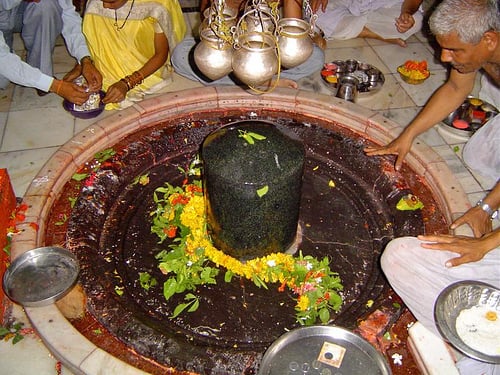
The Temple of Lord Vaidyanath is situated in Jharkhand On the rail route from Patna to Kolkata is a place called Keeul. About 100 kms south-east of this place is Devghar - where this ancient Temple is situated. Vaidyanath Temple is also known as Vaijnath or Baidyanath. It is located at Deogarh in the Santal Parganas region of Jharkhand. This is one of the highly revered Jyotirlinga shrines, and the devotees believe that the sincere worship of this shrine relieves a person from all his worries and miseries. People believe that one attains moksha or salvation by worshipping this Jyotirlinga. According to a famous legend, the demon king Ravana meditated and asked Lord Shiva to come over to Sri Lanka and make it invincible. Ravana tried to take Mount Kailash with him, but Lord Shiva crushed it. Ravana asked for penance and in turn, was given of the twelve Jyotirlingas on the condition that if it was placed on the ground it would remain rooted to that spot till eternity. While transporting it to Sri Lanka, Lord Varuna entered Ravana’s body and he felt an urgent need to relieve himself. Lord Vishnu came down in the form of a lad and offered to hold the lingam in the meantime. However, Vishnu placed the lingam on the ground and it got rooted to the spot. As a form of penance, Ravana cut off nine of his heads. Shiva revived him and joined the heads to the body, like a vaidya and hence this Jyotirlinga came to be known as Vaidyanath. #KedarnathCharDham #BapanRoy
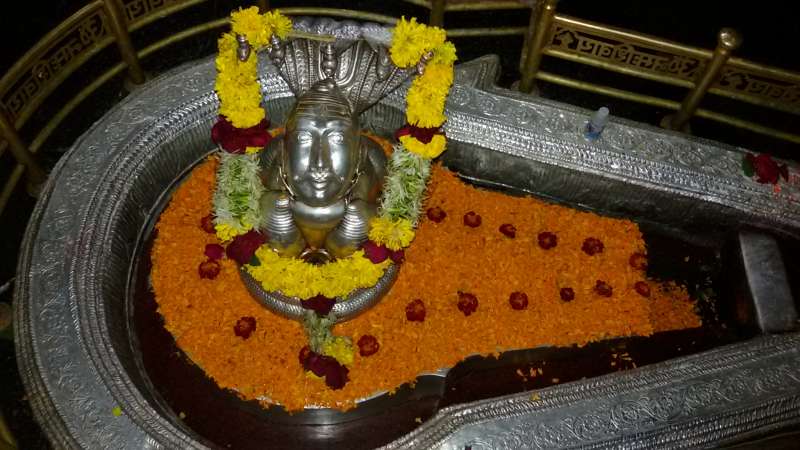
Bhimashankar Jyotirlinga is situated in the north of Pune, It is from here that the Bhima River flows. It is believed that Lord Shiva was pleased by the devotion of a king named Bhimak of the sun Dynasty and is called the Jyotirlinga in the place. The Bhimashankar Temple is located in the Sahyadri region of Pune, Maharashtra. It lies on the banks of Bhima River and is considered to be a source of this river. The legend about the existence of this Jyotirlinga is related to Kumbhakarna’s son Bhima. When Bhima learned that he was the son of Kumbhakarana who was annihilated by Lord Vishnu in his incarnation as Lord Ram, he vowed to avenge Lord Vishnu. He performed penance to please Lord Brahma who granted him immense power. On achieving this power, he started creating havoc in the world. He defeated the staunch devotee of Lord Shiva- Kamrupeshwar and put him in the dungeons. This angered the Lords who requested Shiva to descend Earth and put an end to this tyranny. A war ensued between the two and Shiva ultimately put the demon to ashes. All the Gods then requested Shiva to make that place his abode. Shiva then manifested himself in the form of Bhimashankar Jyotirlinga. It is believed that the sweat which poured from Shiva’s body after the battle is what formed the Bhima River. #KedarnathCharDham #BapanRoy
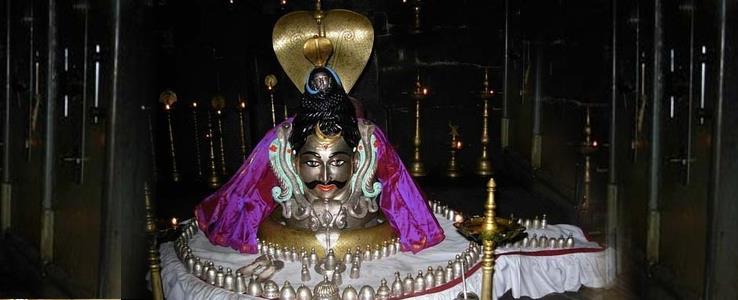
The consecration of the temple of Lord Rameshwar was done by none other than Lord Rama himself, and thus acquired his name. It is situated in a large island surrounded by sea in the southern side of India. Rameshwar Temple, the southernmost of the 12 Jyotirlingas, is located on the island of Rameshwaram, off the Sethu coast of Tamil Nadu. This temple is popularly known for its architecture, more prominently the long ornate corridors, towers, and 36 theerthams. This has been a time-honoured pilgrimage centre considered by many at par with Banaras. This Jyotirlinga is closely associated with Ramayana and Ram’s victorious return from Sri Lanka. It is believed that Ram on his way to Sri Lanka stopped at Rameshwaram and was drinking water on the seashore when there was a celestial proclamation: “You are drinking water without worshipping me.” Listening to this Ram made a linga of sand and worshipped it and asked for its blessings to defeat Ravana. He got the blessings from Lord Shiva who then turned into a Jyotirlinga and resided at the place for eternity. #KedarnathCharDham #BapanRoy
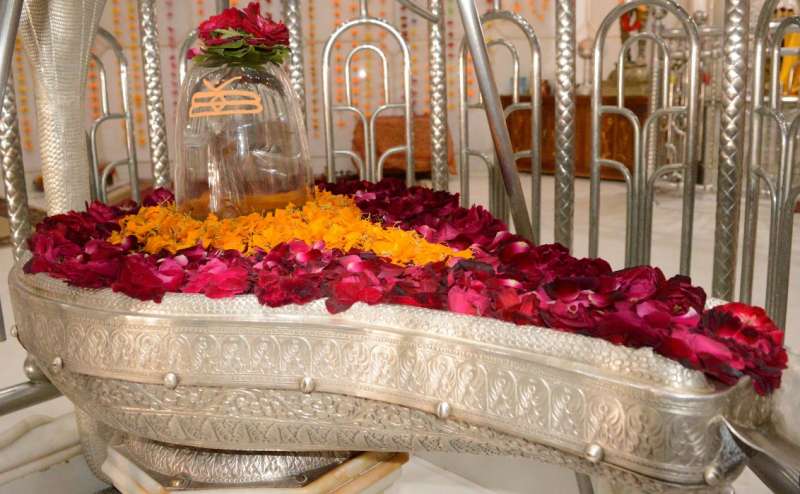
The jyotirlinga enshrined in the temple of Nagnath is known as Nageshwar Mahadev and attracts thousands of pilgrims all round the year. This powerful jyotirlinga symbolizes protection from all poisons and those who pray to the Nageshwar Linga therefore become poison free. The Nageshwar Temple also known as Nagnath Temple is located on the route between Gomati Dwarka and the Bait Dwarka Island on the coast of Saurashtra in Gujarat. This Jyotirlinga holds special significance as it symbolises protection from all types of poison. It is believed that those who worship at this temple become free of all poisons. According to the Shiva Purana, a Shiva devotee by the name Supriya was captured by the demon Daaruka. The demon imprisoned her with several others in his capital Daarukavana. Supriya advised all prisoners to chant “Aum Namaha Shivaya” which enraged Daaruka who ran to kill Supriya. Lord Shiva manifested in front of the demon and put an end to him. Thus the Nageshwar Jyotirlinga came into being. #KedarnathCharDham #BapanRoy
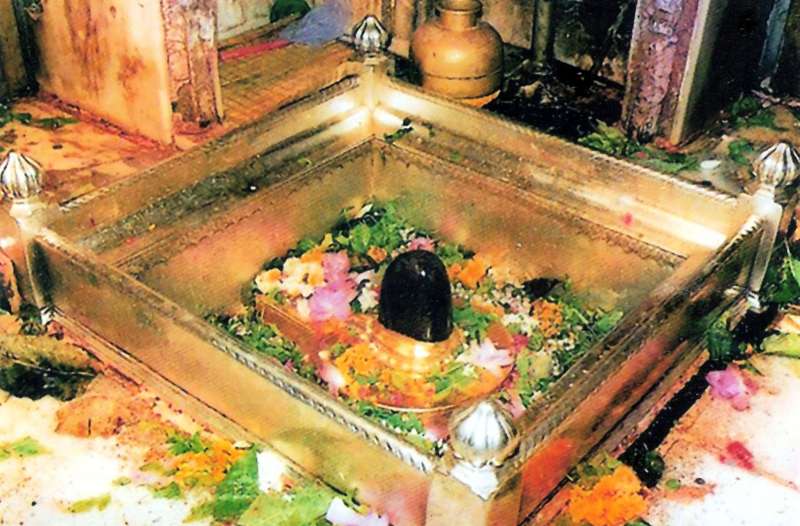
Kashi Vishwanath Jyotirlinga Temple is situated at Kashi (Banaras) and famous by the name of Shiv Vishwanath Kashi. It is said in the scriptures that when the earth was submerged under water (Pralaya). The Kashi Vishwanath Temple is located in the most revered site in the world- Kashi! It is situated amidst the crowded lanes of the holy city of Banaras (Varanasi). More than the Ghats and Ganga of Varanasi, the Shivalinga remains the devotional focus of the pilgrims. It is believed that Banaras is the site at which the first Jyotirlinga manifested its supremacy over other Gods, broke through the earth’s crust and flared towards heaven. This temple is said to be the dearest to Lord Shiva, and the people believe that those who die here achieve liberation. Many believe that Shiva himself resided here and is the giver of liberation and happiness. This temple has been rebuilt several times but always continued to hold its ultimate significance. #KedarnathCharDham #BapanRoy
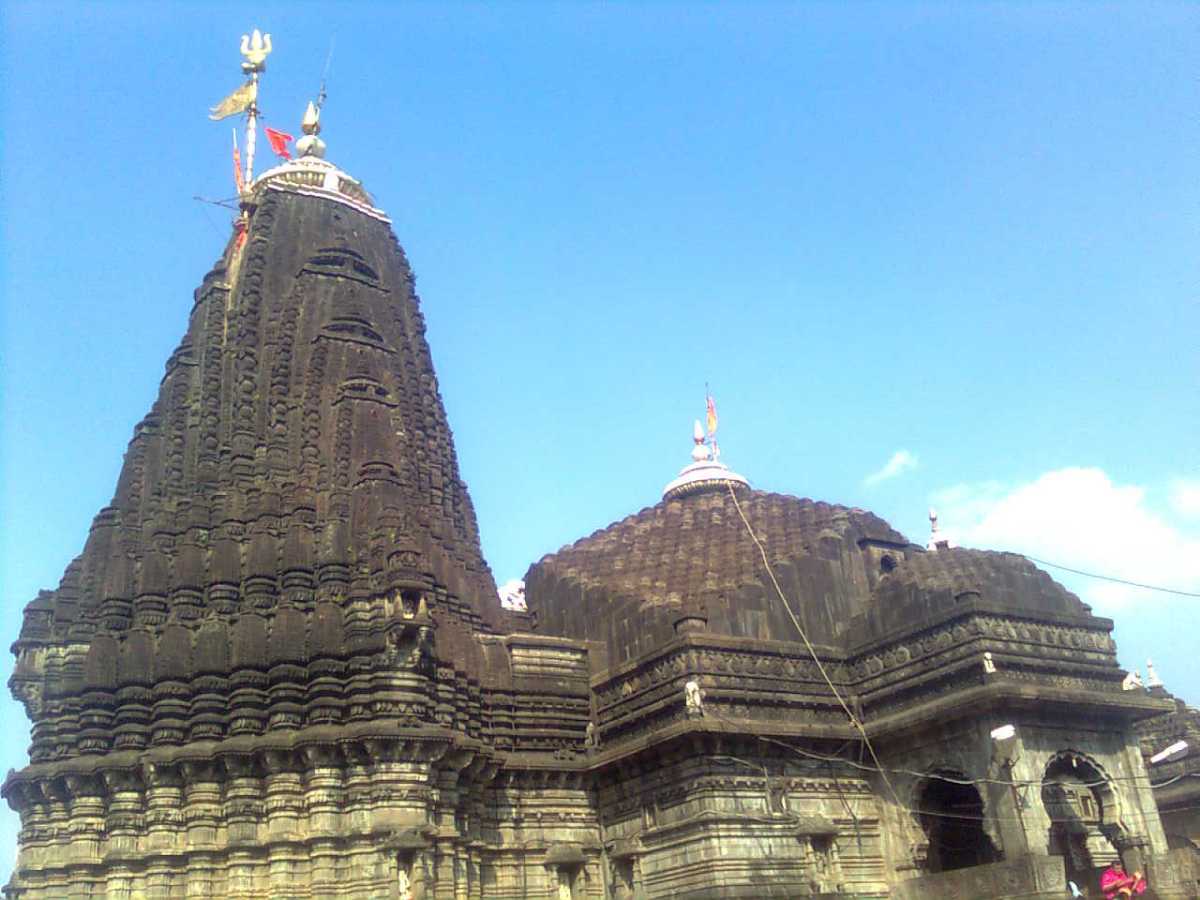
Tryambakeshvar literally means the abode of the three eyed one i.e. Lord Shiva, is one of the twelve Jyotirlingas Temples(self emanated lingas). It is situated in the eastern spur of the Sahyadri and is 30 Kms. away from the pilgrimage center, Nashik. The Trimbakeshwar Temple is located about 30kms from Nasik in Maharashtra near the mountain named Brahmagiri from the river Godavari flows. This temple is considered to be a source of the river Godavari which is known as “Gautami Ganga”- the most sacred river in South India. According to the Shiva Purana, it is on the earnest request of River Godavari, Gautam Rishi and all the other Gods that Shiva decided to reside here and assumed the name Trimbakeshwar. Gautam Rishi earned a boon from Varuna in the form of a pit from which he received an inexhaustible supply of grains and food. The other Gods were rendered jealous by him and they send a cow to enter the granary. The cow was mistakenly killed by Gautam Rishi who then asked Lord Shiva to do something to purify the premises. Shiva asked Ganga to flow through the land to make it pure. Everyone thus sang praise for the Lord who then resided beside Ganga in the form of Trimbakeshwar Jyotirlinga. Hindus believe that this Jyotirlinga in Maharashtra is the one which fulfils everyone’s desires. #KedarnathCharDham #BapanRoy
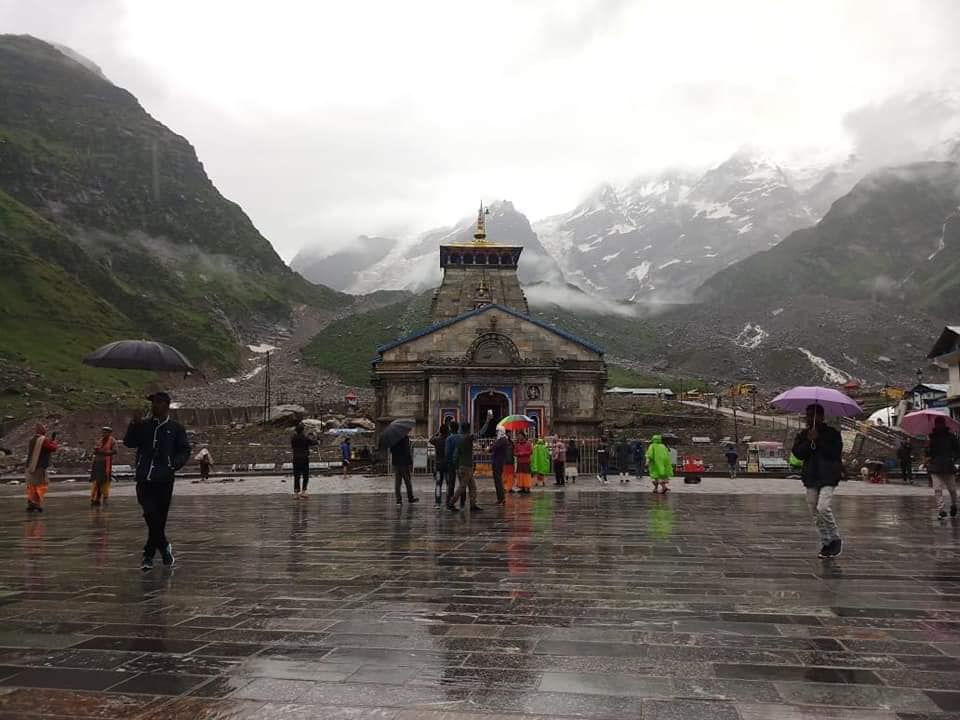
One of the holiest pilgrimage sites in India, the Kedarnath Temple is located on the Rudra Himalaya Range at the height of 12000 feet on a mountain named Kedar. It is approximately 150 miles from Hardwar. The temple enshrining the Jyotirlinga opens only six months in a year. The tradition is that while embarking on a pilgrimage to Kedarnath people first visit Yamunotri and Gangotri and brings the holy water to offer at Kedarnath. According to the legends, pleased by the severe penance of the Nara and Narayana – two incarnations of Lord Vishnu, Lord Shiva took up permanent abode in Kedarnath in the form of this Jyotirlinga. People believe that praying at this site one gets all his desire fulfilled. #KedarnathCharDham #BapanRoy
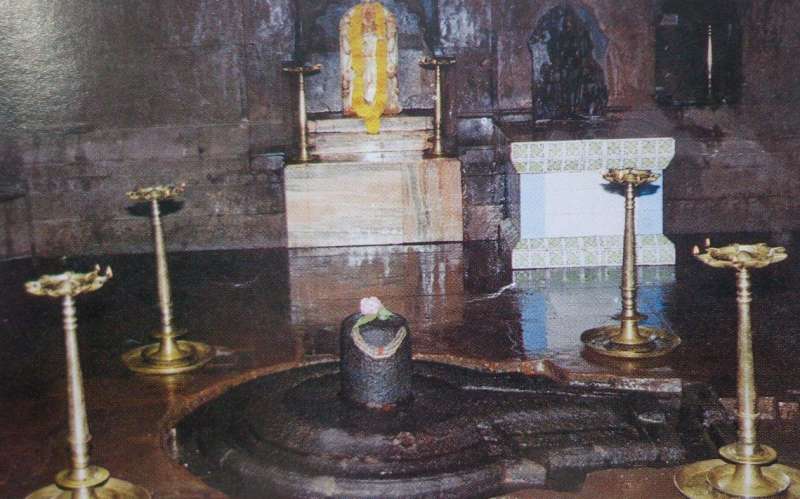
The Jyotirlinga named Grishneshwar, Ghurmeshwar or Ghushmeshwar is situated in a village called Verul which is 20 km away from Daulatabad and approximately 100 kms from Manmad station just adjacent to the famous Ellora Caves. The Ghrishneshwar Jyotirlinga is located in a village called Verul, which lies 20 km from Daulatabad, near Aurangabad in Maharashtra. Located near this temple is the famous tourist site – Ajanta & Ellora caves. This temple was built by Ahilyabai Holkar who also rebuilt the Kashi Vishwanath Temple in Varanasi. The Ghrishneshwar temple is also known by other names like Kusumeswarar, Ghushmeswara, Grushmeswara and Grishneswara. According to the Shiva Purana, a couple named Sudharm and Sudeha resided on the Devagiri Mountain. They were childless, and thus Sudeha got her sister Ghushma married to Sudharm. They bore a son who rendered Ghushma proud and Sudeha jealous of her sister. In her jealousy, Sudeha threw the son in the lake where Ghushma used to discharge 101 lingams. Ghushma prayed to Lord Shiva who ultimately returned her the son and told her of her sister’s deeds. Sudharm asked Shiva to emancipate Sudeha which left Shiva pleased with his generosity. On Sudharm’s request, Shiva manifested himself in the form of the Jyotirlinga and assumed the name Ghushmeshwar. #KedarnathCharDham #BapanRoy
महादेव, जय माँ विन्ध्यवासिनी, ऊँ गणेशायः नमः
ना आदि ना अंत है उसका।
वो सबका, न इनका उनका।
वही शून्य है, वही इकाई।
जिसके भीतर बसा शिवायः।
आँख मूंदकर देख रहा है।
साथ समय के खेल रहा है।
महादेव महाएकाकी।
जिसके लिए जगत है जाकी।
वही शून्य है, वही इकाई।
जिसके भीतर बसा शिवायः।
राम भी उसका, रावण उसका।
जीवन उसका, मरण भी उसका।
तांडव है, और ध्यान भी वो है।
अज्ञानी का ज्ञान भी वो है।
इसको काँटा लगे न कंकर।
रण में रूद्र, घरों में शंकर।
अंत यही सारे विघ्नों का।
इस भोले का वार भयंकर।
वही शून्य है, वही इकाई।
जिसके भीतर बसा शिवायः।
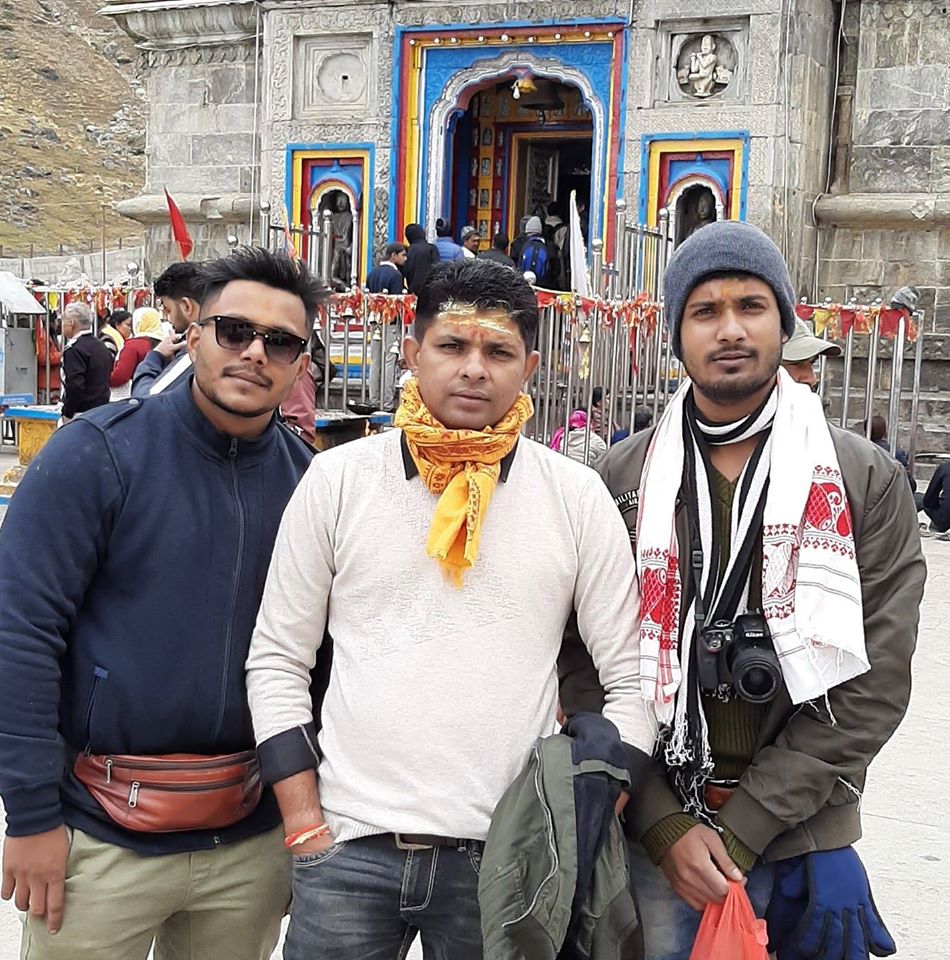
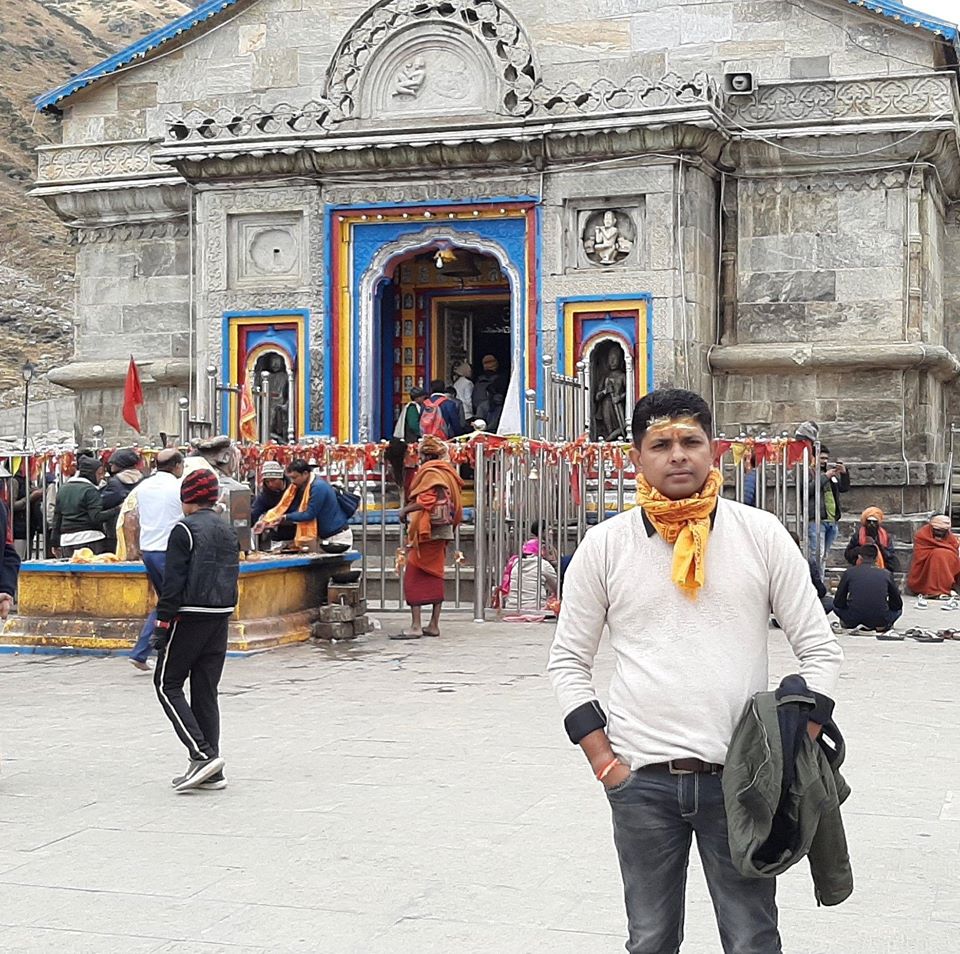
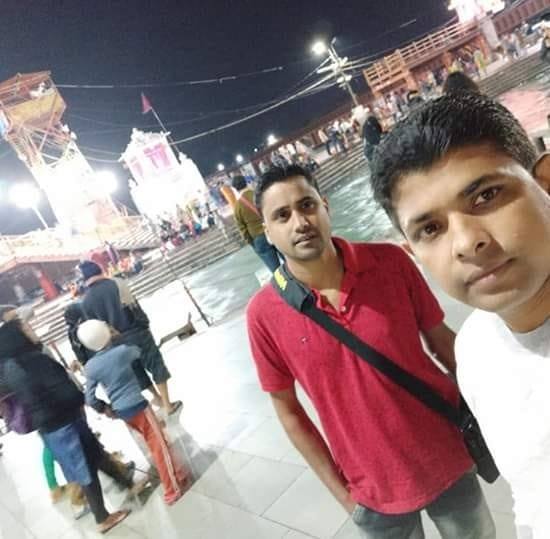
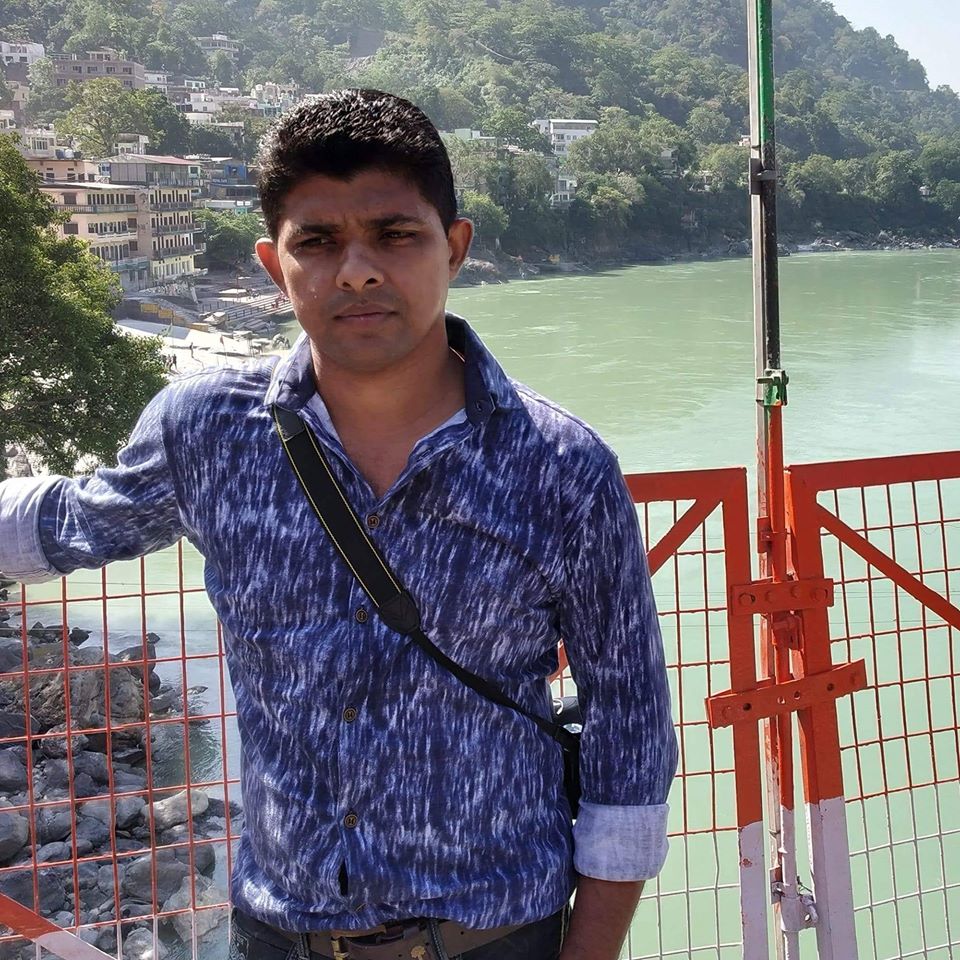
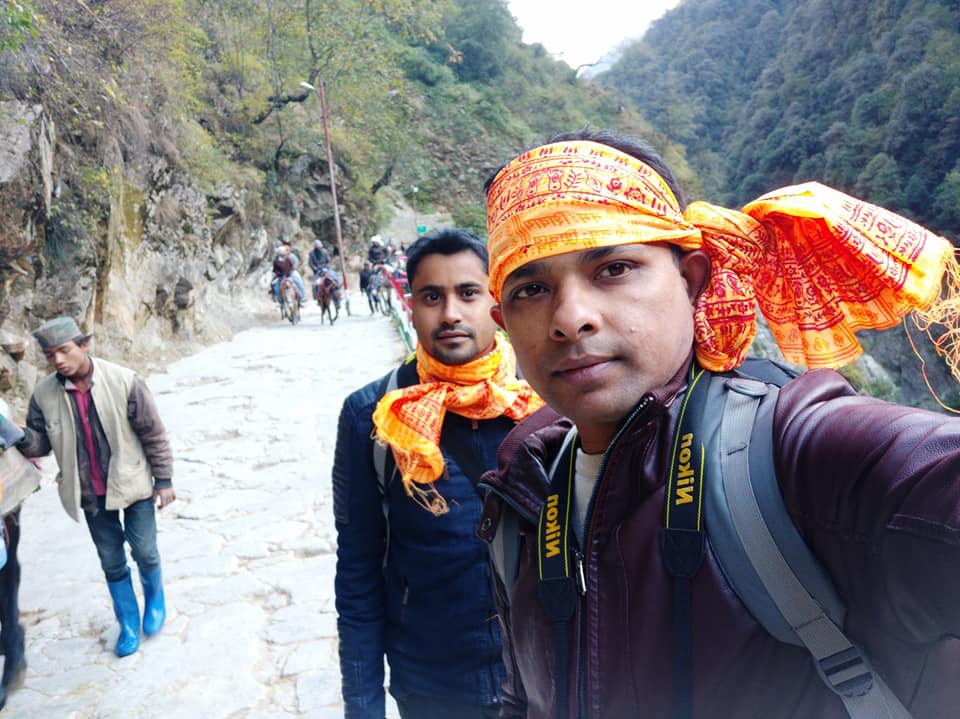
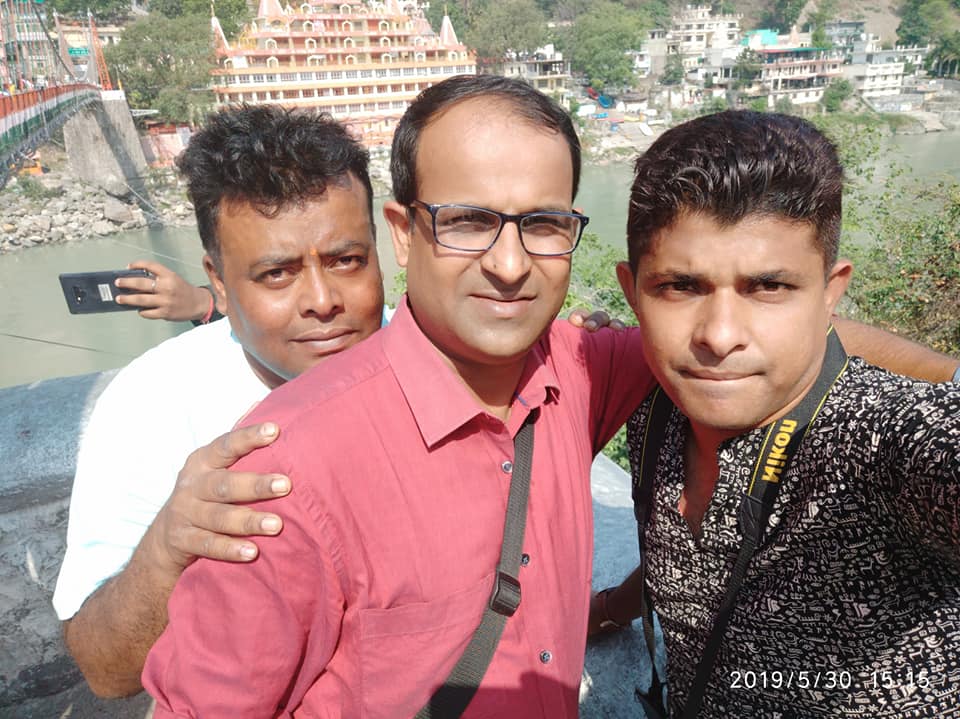
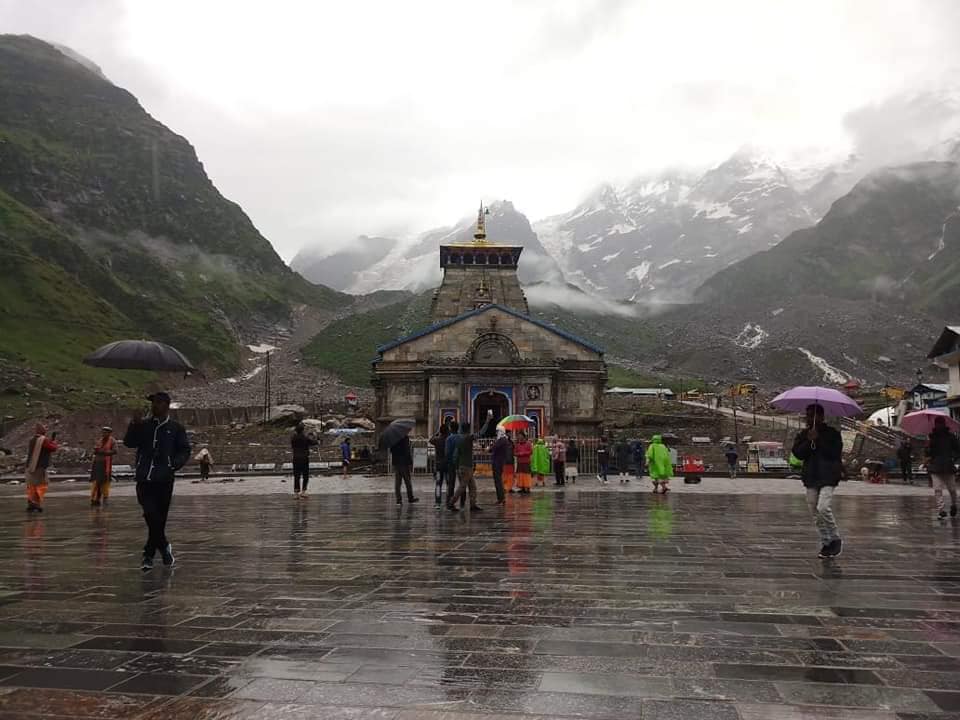
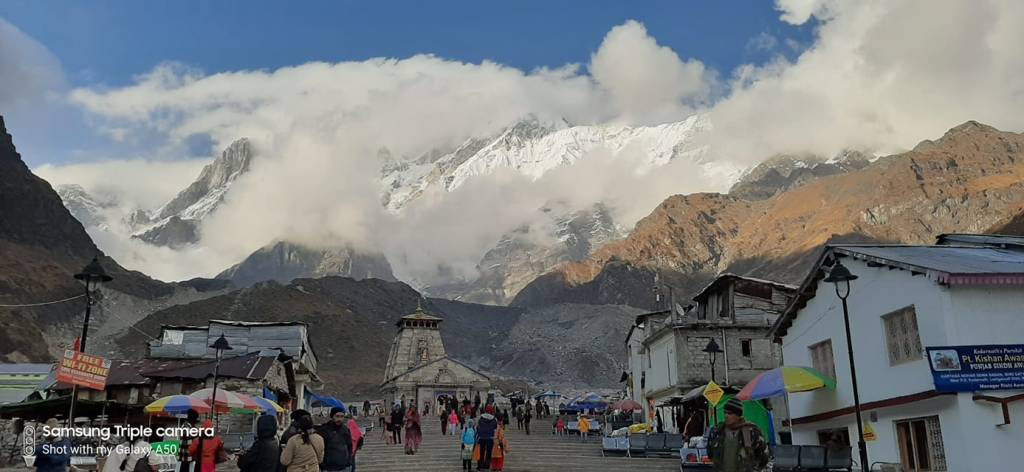
https://www.facebook.com/groups/333689084098017/permalink/553508982116025/
Kēdārnāth Mandir (Kedarnath Temple) is a Hindu temple (shrine) dedicated to Lord Shiva. Located on the Garhwal Himalayan range near the Mandakini river, Kedarnath is located in the state of Uttarakhand, India. Due to extreme weather conditions, the temple is open to the general public only between the months of April (Akshaya Tritriya) and November (Kartik Purnima, the autumn full moon). During the winters, the vigraha (deity) from Kedarnath temple is carried down to Ukhimath and where the deity is worshiped for the next six months. Kedarnath is seen as a homogenous form of Lord Shiva, the ‘Lord of Kedar Khand’, the historical name of the region.
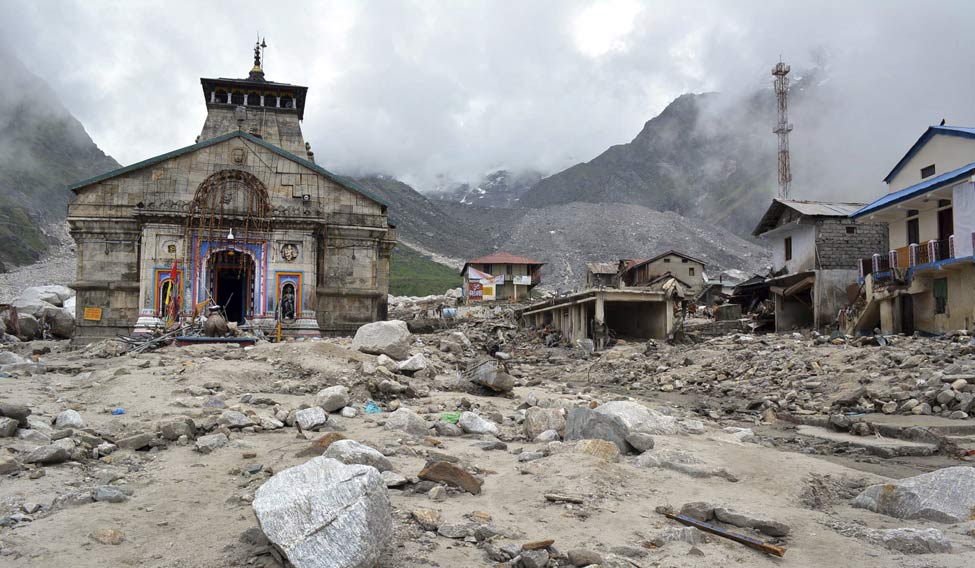
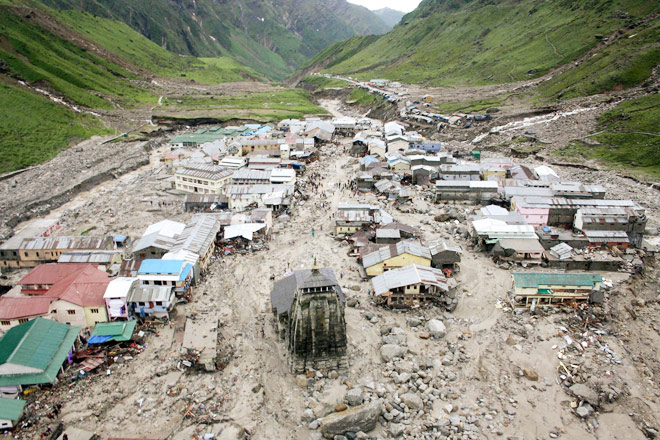
The temple is not directly accessible by road and has to be reached by a 22 kilometres (14 mi) uphill trek from Gaurikund. Pony and manchan service is available to reach the structure. According to Hindu legends, the temple was initially built by Pandavas, and is one of the twelve Jyotirlingas, the holiest Hindu shrines of Shiva. It is one of the 275 Paadal Petra Sthalams, expounded in Tevaram. Pandavas were supposed to have pleased Shiva by doing penance in Kedarnath. The temple is one of the four major sites in India’s Chota Char Dham pilgrimage of Northern Himalayas. This temple is the highest among the 12 Jyotirlingas.Kedarnath was the worst affected area during the 2013 flash floods in North India. The temple complex, surrounding areas, and Kedarnath town suffered extensive damage, but the temple structure did not suffer any “major” damage, apart from a few cracks on one side of the four walls which was caused by the flowing debris from the higher mountains. A large rock among the debris acted as a barrier, protecting the temple from the flood. The surrounding premises and other buildings in the market area were heavily damaged.
The temple, at a height of 3,583 m (11,755 ft), 223 km from Rishikesh, on the shores of Mandakini river, a tributary of Ganga, is a stone edifice of unknown date. It is not certain who built the original Kedarnath temple and when. The name “Kedarnath” means “the lord of the field”: it derives from the Sanskrit words kedara (“field”) and natha (“lord”). The text Kashi Kedara Mahatmya states that it is so called because “the crop of liberation” grows here.
According to a theological account, the god Shiva agreed to dwell here at the request of Nara-Narayana. After the Kurukshetra War, the Pandava brothers, came here to meet Shiva on the advice of the sage Vyasa, because they wanted to seek forgiveness for killing their kin during the war. However, Shiva did not want to forgive them: so, he turned into a bull and hid among the cattle on the hill. When the Pandavas managed to track him, he tried to disappear by sinking himself head-first into the ground. One of the brothers grabbed his tail, forcing him to appear before them and forgive them. The Pandava brothers then built the first temple at Kedarnath. The portions of Shiva’s body later appeared at four other locations; and collectively, these five places came to be known as the five Kedaras (“Panch Kedar“); the head of the bull appeared at the location of Rudranath.
The Mahabharata, which gives the account of the Pandavas and the Kurukshetra War, does not mention any place called Kedarnath. One of the earliest references to Kedarnath occurs in the Skanda Purana (c. 7th-8th century), which contains a story describing the origin of the Ganges river. The text names Kedara (Kedarnath) as the place where Shiva released the holy water from his matted hair.
According to the hagiographies based on Madhava’s Sankshepa-shankara-vijaya, the 8th century philosopher Adi Shankara died at Kedaranatha (Kedarnath); although other hagiographies, based on Anandagiri’s Prachina-Shankara-Vijaya, state that he died at Kanchi. The ruins of a monument marking the purported death place of Shankara are located at Kedarnath.Kedarnath was definitely a prominent pilgrimage centre by the 12th century, when it is mentioned in Kritya-kalpataru written by the Gahadavala minister Bhatta Lakshmidhara.
According to a tradition recorded by the English mountaineer Eric Shipton (1926), “many hundreds of years ago”, the Kedarnath temple did not have a local priest: the priest of the Badrinath temple used to hold services at both the temples, travelling between the two places daily.
The presiding image of Kedarnath in the form of lingam is of irregular shape with a pedestal 3.6 m (12 ft) in circumference and 3.6 m (12 ft) in height. There is a small pillared hall in front of the temple, that has images of Parvathi and of the five Pandava princes. There are five temples around namely Badari-kear, Madhya Maheswara, Tunganatha, Rudranatha and Kallesvara.The first hall inside Kedarnath Temple contains statues of the five Pandava brothers, Lord Krishna, Nandi, the vehicle of Shiva and Virabhadra, one of the guards of Shiva. Statue of Draupadi and other deities are also installed in the main hall. An unusual feature of the temple is the head of a man carved in the triangular stone fascia. Such a head is seen carved in another temple nearby constructed on the site where the marriage of Shiva and Parvati was held. Adi Shankara was believed to have revived this temple, along with Badrinath and other temples of Uttarakhand; he is believed to have attained Mahasamadhi at Kedaranath. Behind the temple is the samādhi mandir of Adi Sankara.
The head priest (Raval) of the Kedarnath temple belongs to the Veerashaiva community from Karnataka. However, unlike in Badrinath temple, the Raval of Kedarnath temple does not perform the pujas. The pujas are carried out by Raval’s assistants on his instructions. The Raval moves with the deity to Ukhimath during the winter season. There are five main priests for the temple, and they become head priests for one year by rotation. The present (2013) Raval of Kedarnath temple is Shri Vageesha Lingacharya. Shri Vageesh Lingacharya who belongs to the Village Banuvalli of Taluka Harihar of Davanagere district in Karnataka. A triangular shaped lingam is worshiped in Garbhagriha of the temple. Surrounding Kedarnath, there are many symbols of the Pandavas. Raja Pandu died at Pandukeshwar. The tribals here perform a dance called “Pandav Nritya”. The mountain top where the Pandavas went to Swarga, is known as “Swargarohini”, which is located off Badrinath. When Dharmarāja was leaving for Swarga, one of his fingers fell on the earth. At that place, Dharmarāja installed a Shiva Linga, which is the size of the thumb. To gain Mashisharupa, Shankara and Bheema fought with maces. Bheema was struck with remorse. He started to massage Lord Shankara’s body with ghee. In memory of this event, even today, this triangular Shiva JyotirLinga is massaged with ghee. Water and Bel leaves are used for worship.
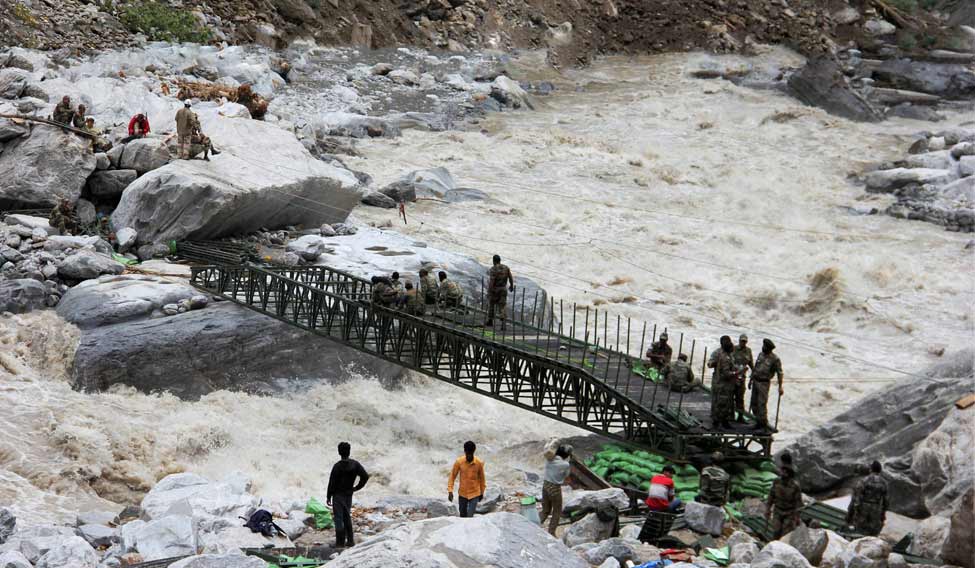
The Kedarnath valley, along with other parts of the state of Uttarakhand, was hit with unprecedented flash floods on 16 and 17 June 2013. On 16 June, at about 7:30 p.m. a landslide and mudslides occurred near Kedarnath Temple with loud peals of thunder. An enormously loud peal was heard and huge amounts of water started gushing from Chorabari Tal or Gandhi Tal down Mandakini river at about 8:30 p.m. washing everything away in its path. On 17 June 2013 at about 6:40 a.m. in the morning waters again started cascading at a huge speed from river Swaraswati and Chorabari Tal or Gandhi Tal bringing along with its flow huge amount of silt, rocks, and boulders. A huge rock got stuck behind Kedarnath Temple and protected it from the ravages of the flood. The waters gushed on both the sides of the temple destroying everything in their path. Even eyewitness observed that one large rock got carried to the rear side of Kedarnath Temple, thus causing obstruction to the debris, diverting the flow of river and debris to the sides of the temple avoiding damage.
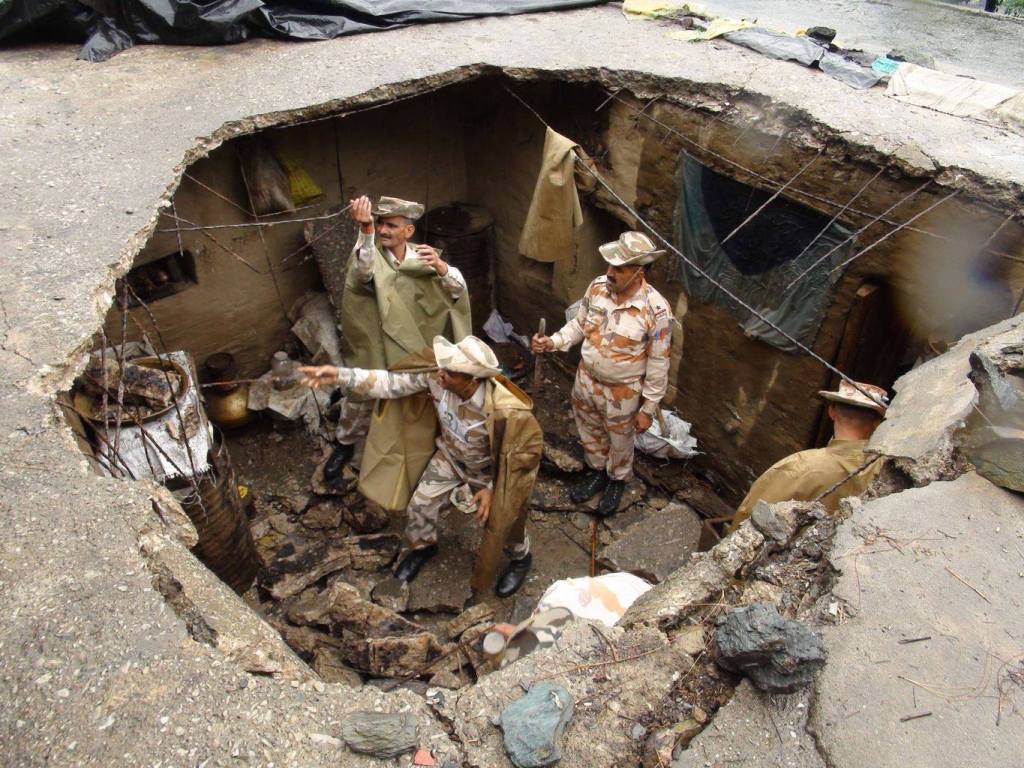
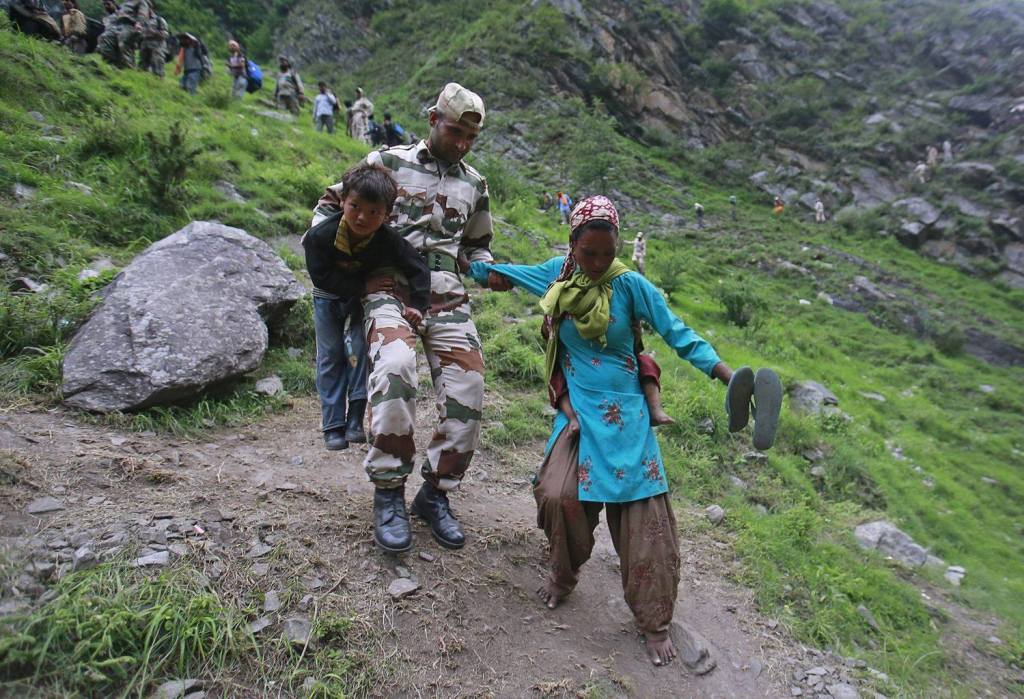
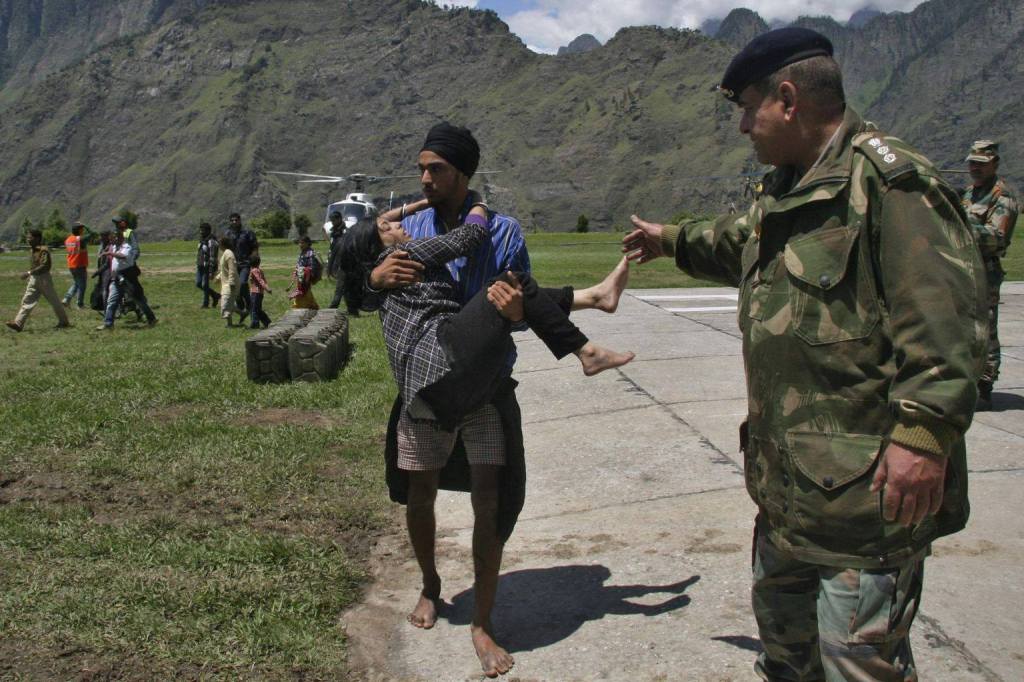
Another theory for the temple not being destroyed is because of its construction. Although the temple withstood the severity of the floods, the complex and surrounding area were destroyed, resulting in the death of hundreds of pilgrims and locals. Shops and hotels in Kedarnath were destroyed and all roads were broken. People took shelter inside the temple for several hours, until the Indian Army airlifted them to safer places. The Uttarakhand Chief Minister announced that the Kedarnath shrine would remain closed for a year for clearing the debris.
The experts, who were asked by the Archaeological Survey of India to examine the condition of the foundation in wake of the floods have arrived at the conclusion that there was no danger to the temple. The IIT Madras experts visited the temple thrice for the purpose. Non-destructive testing instruments that do not disturb the structure of the temple were used by the IIT-team for assessing the health of the structure, foundation, and walls. They have submitted their interim report that the temple is stable and there was no major danger.
Nehru Institute of Mountaineering (NIM) was given the responsibility of Rebuilding Kedarnath. Although the institute did not had the expertise in urban planning or construction, they mastered in high altitude training. Under the leadership of veteran mountaineer, Colonel Ajay Kothiyal, NIM rigorously worked for a year and made the pilgrimage yatra possible from the next year
After the flash floods of 2013 in Kedarnath Shrine, It is must for every traveller and pilgrim to have up-to-date information, before planning to visit. The roads were washed away, with no accommodation or facilities remaining. The govt is restoring the facilities, constructing the basic amenities so that Kedarnath Yatra can be started at the earliest.
Latest Update of Kedarnath : The new route has been created with street lights, many new cottages were constructed with 4 new helipads for pilgrims. NIM Team worked throughout the winters season and also organized many successful winter trek to Kedarnath.
Still, it is always better to be updated with Kedarnath current weather, climate, road routes, road conditions, opening and closing dates of Kedarnath, before tour planning. We will also update news of places enroute Kedarnath like: Srinagar, Rudraprayag, Ukhimath, Guptkashi, Sonprayag, Gaurikund. At sacred yatra we try to update all the latest news, weather news, govt news about Kedarnath Dham yatra.
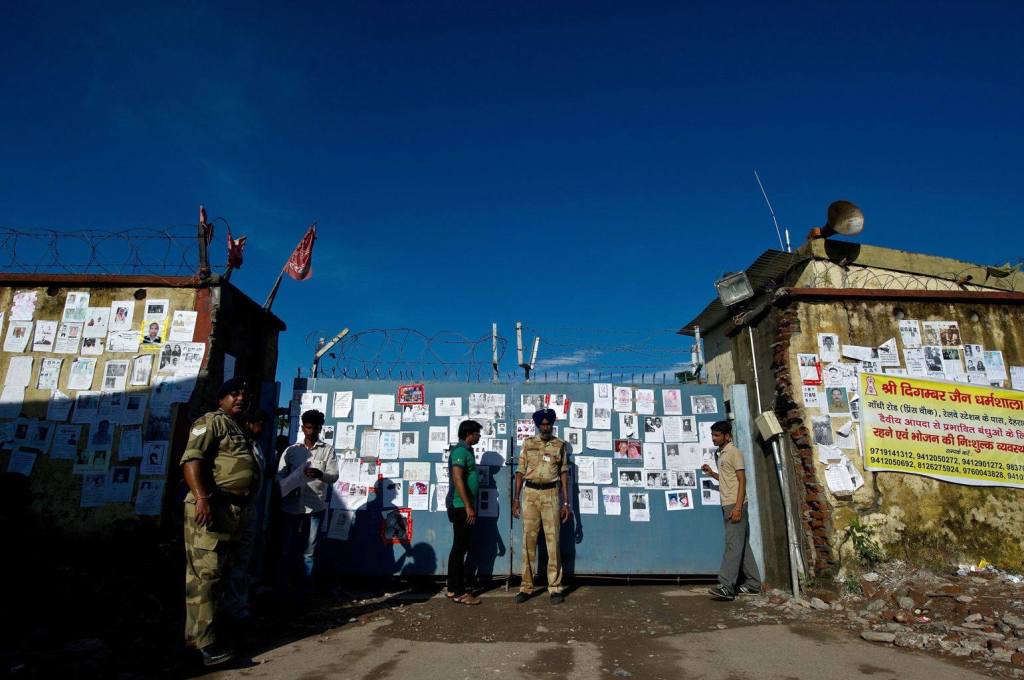
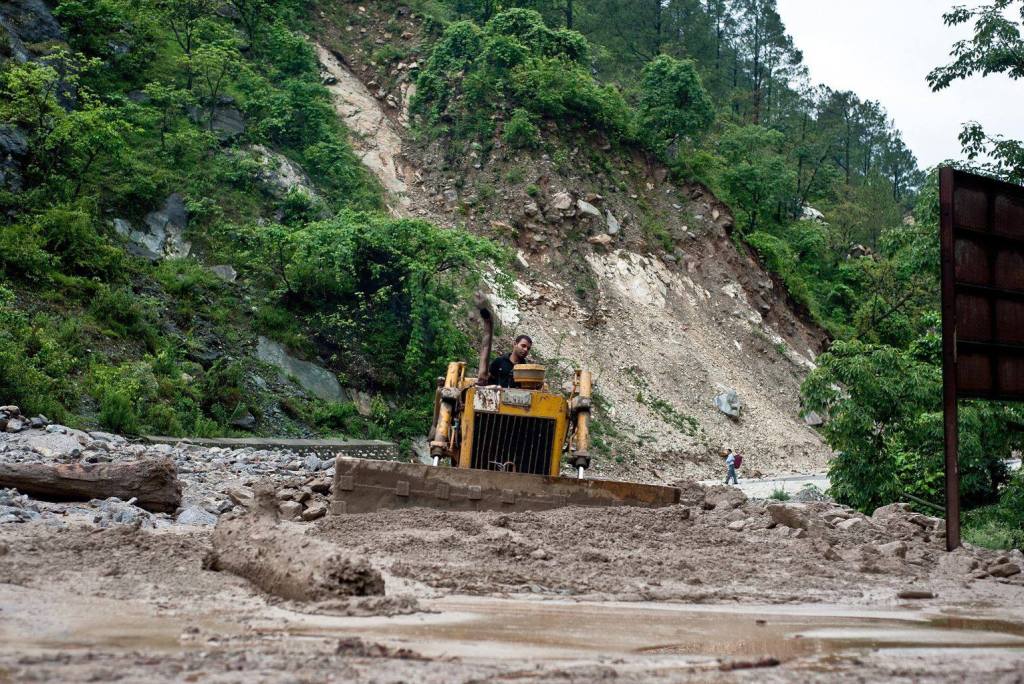
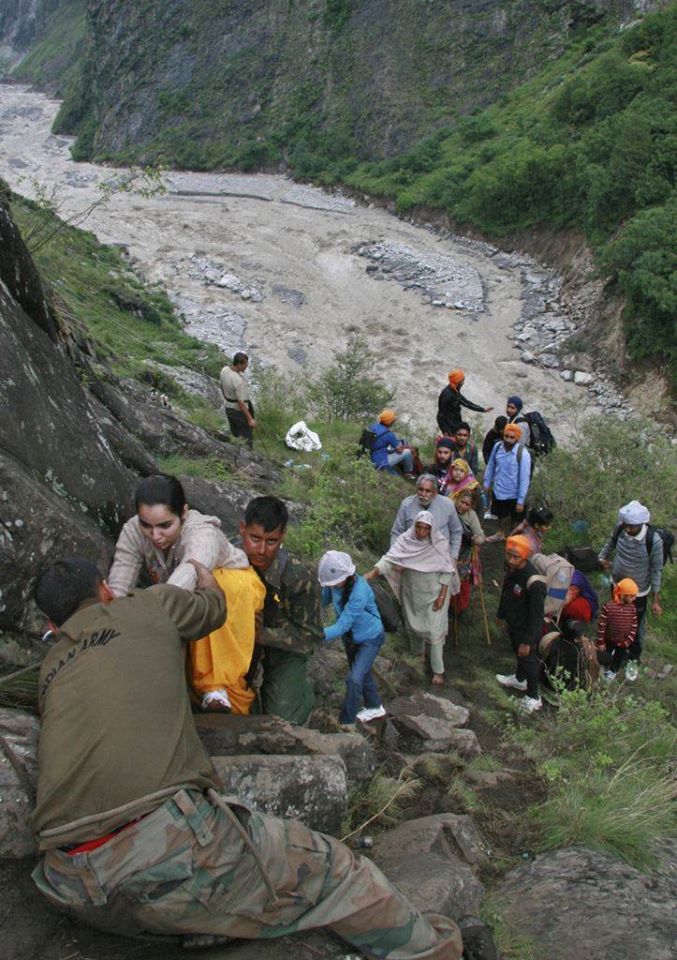
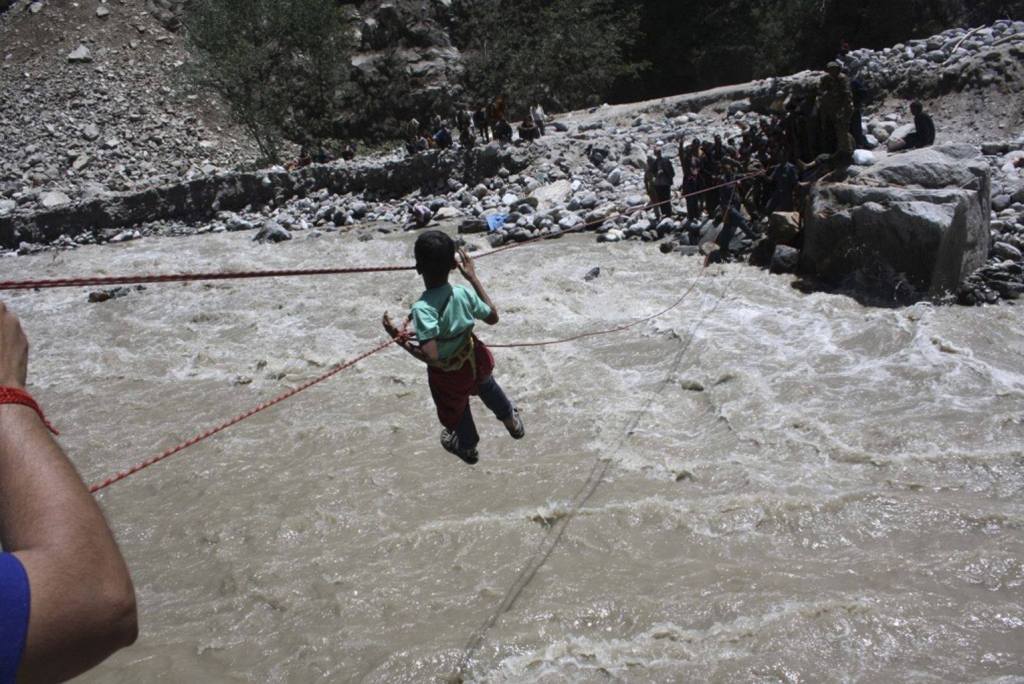
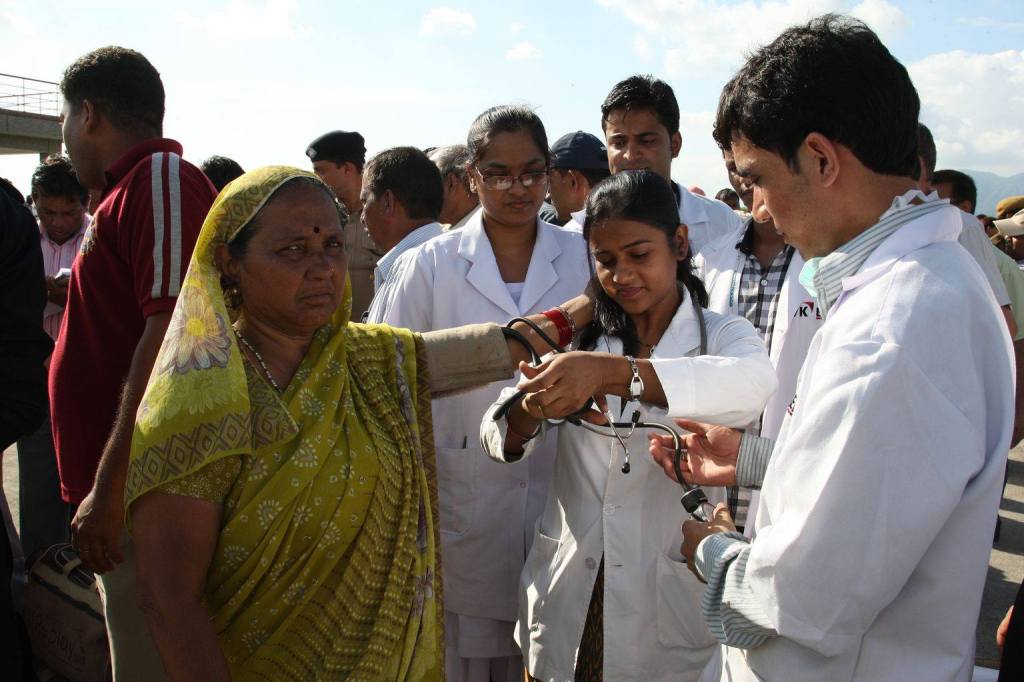
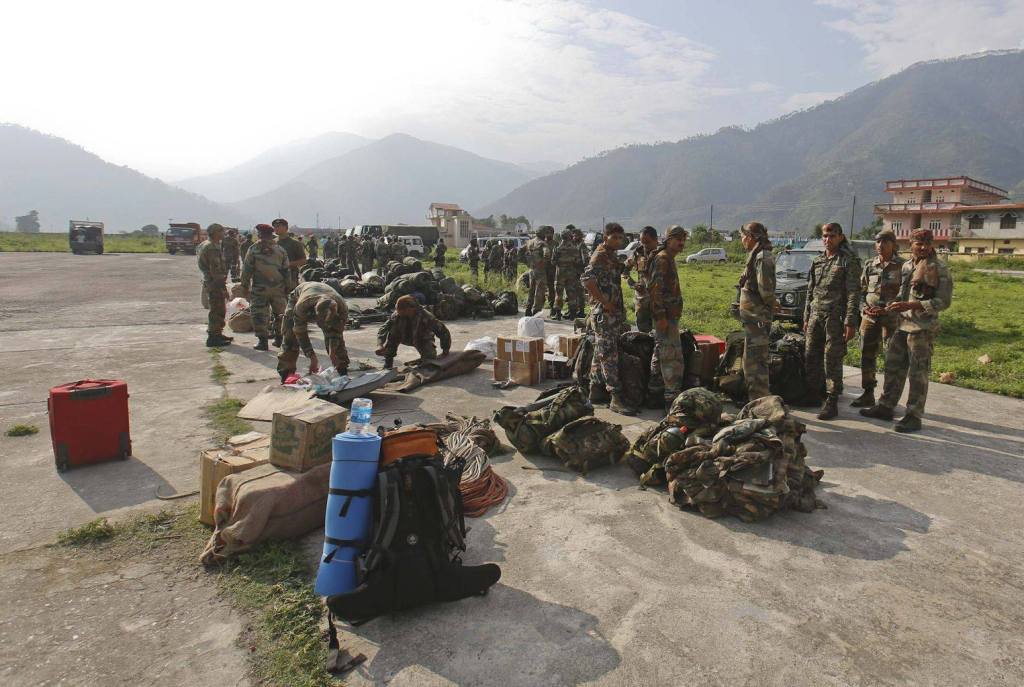
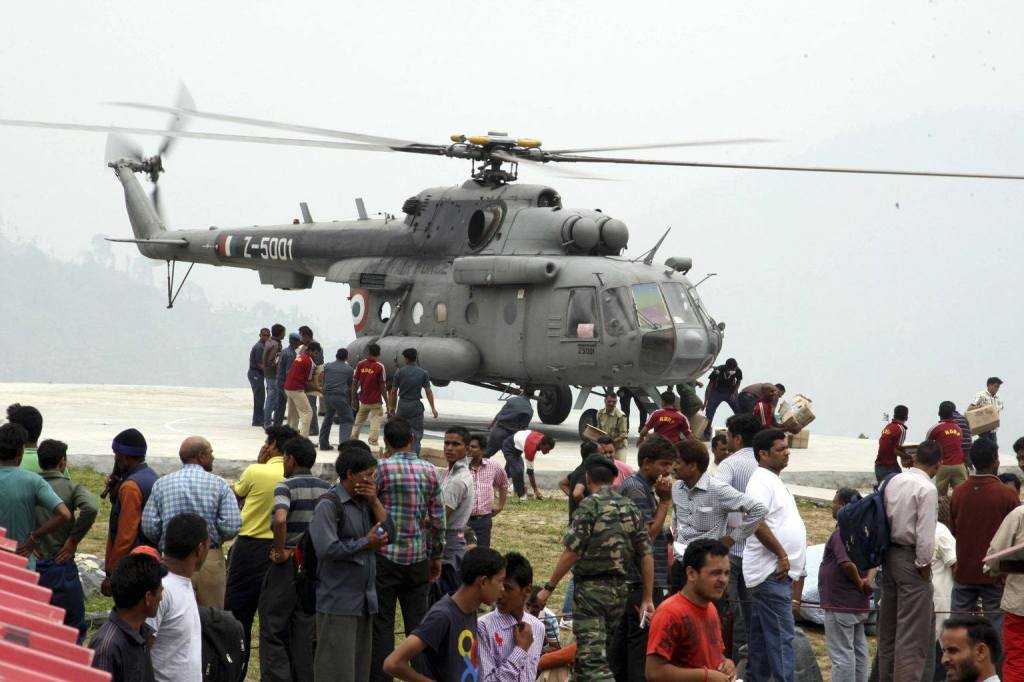
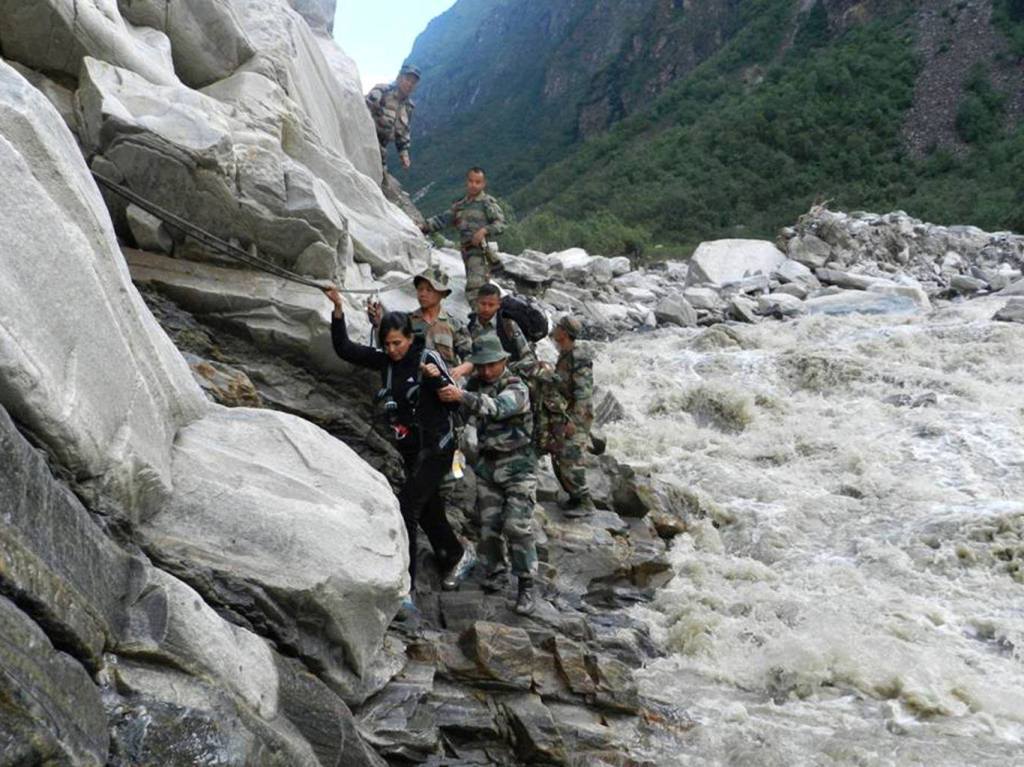
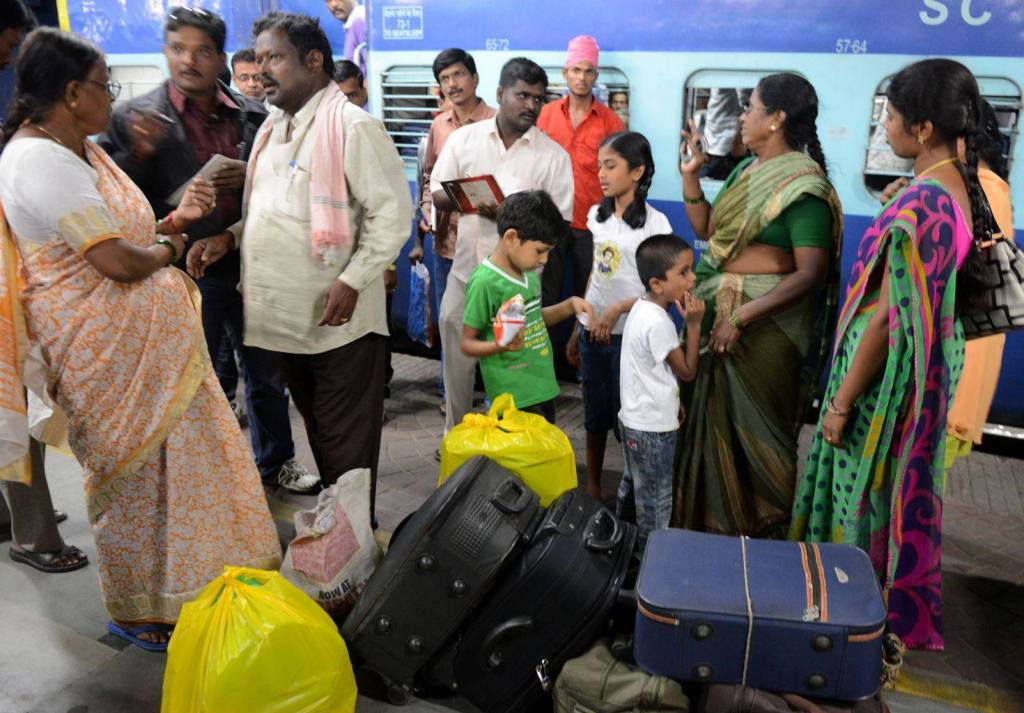
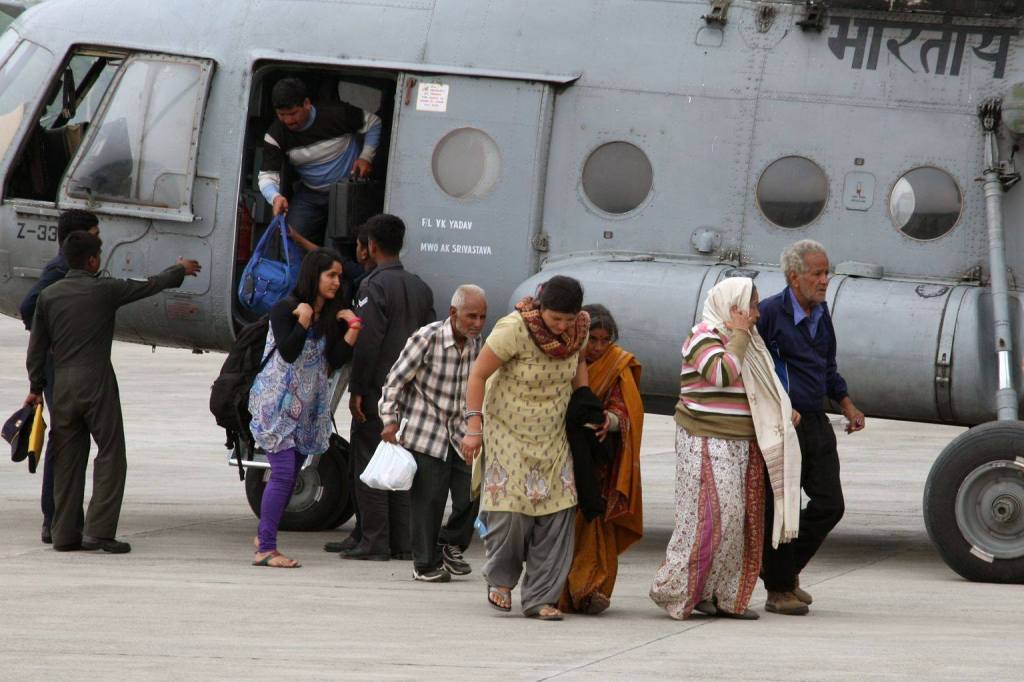
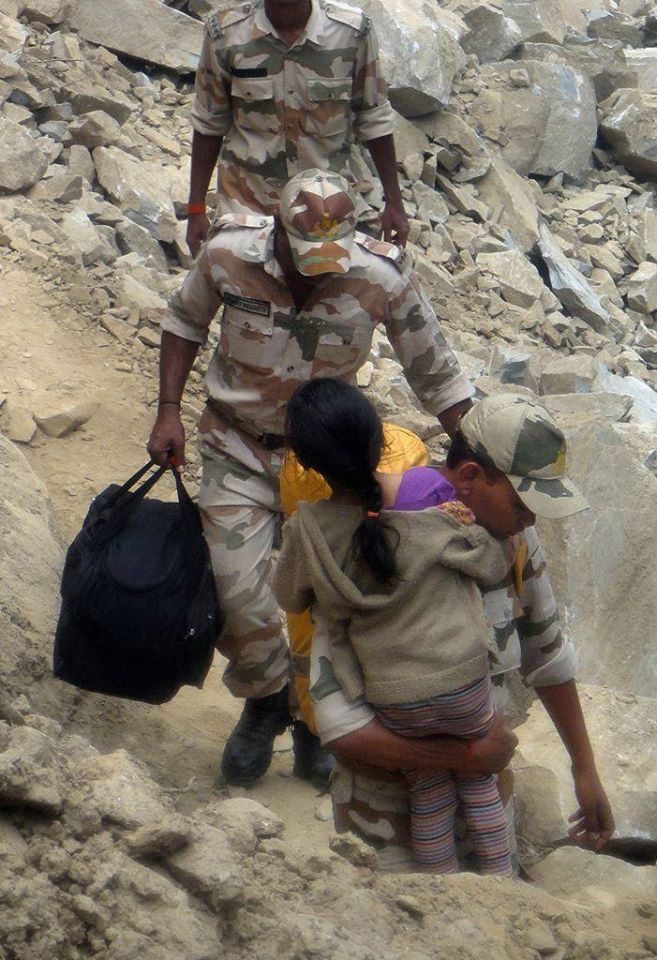
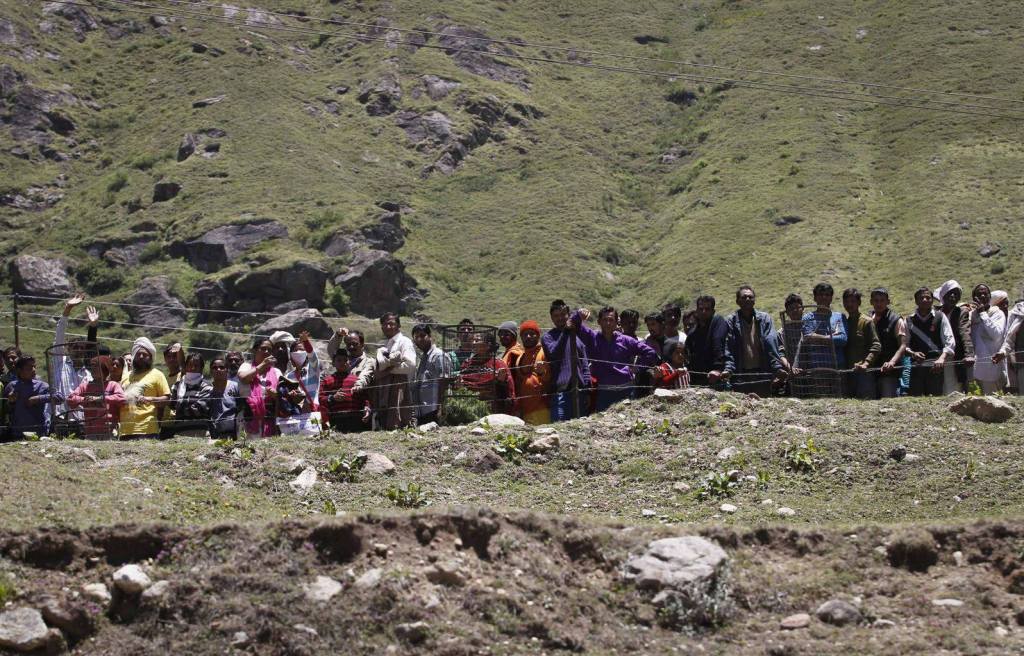
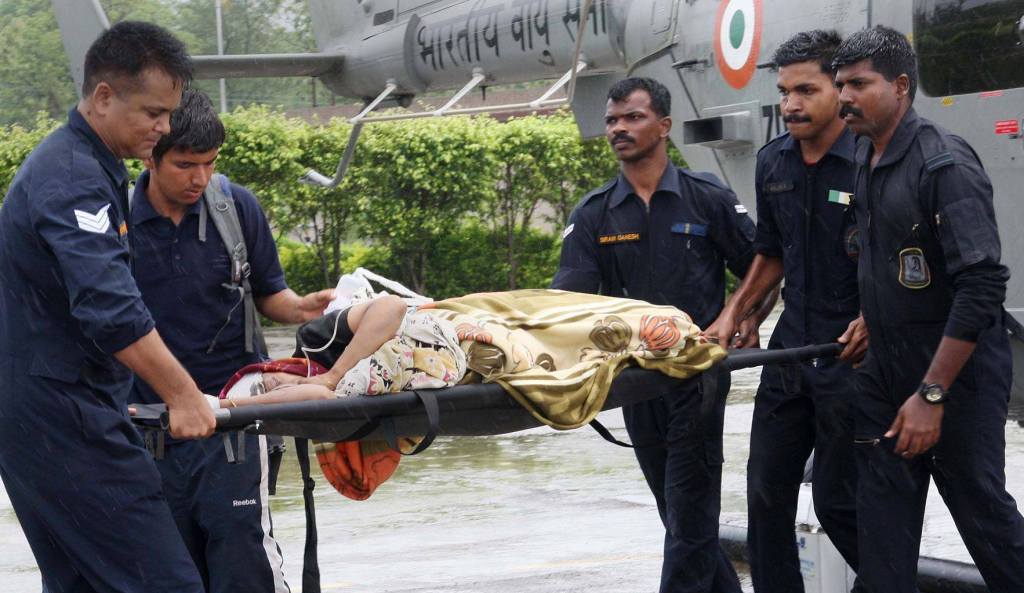
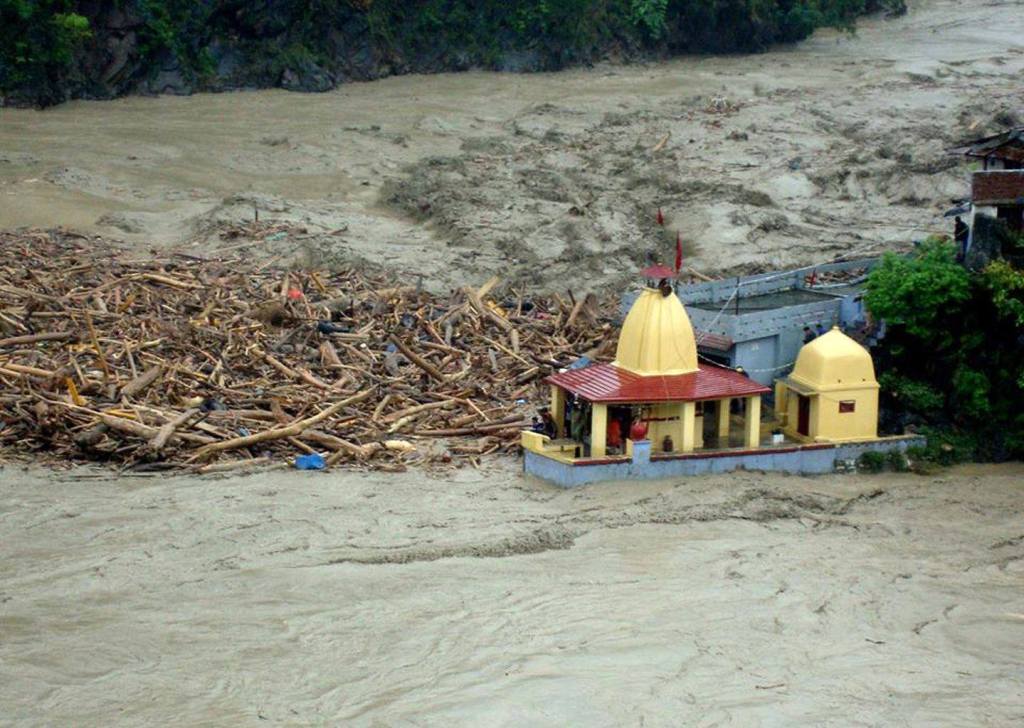
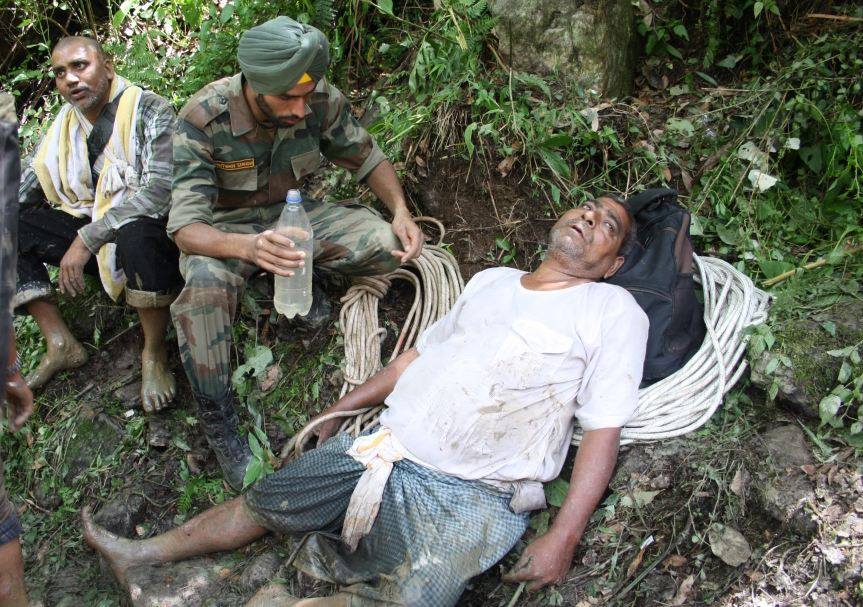
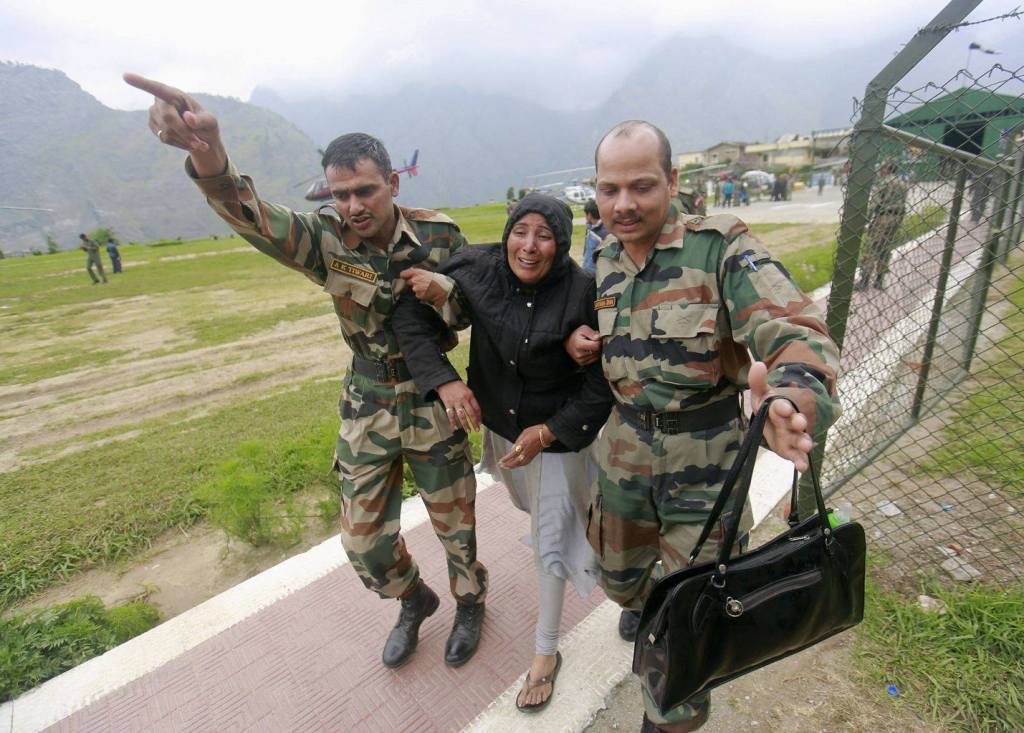
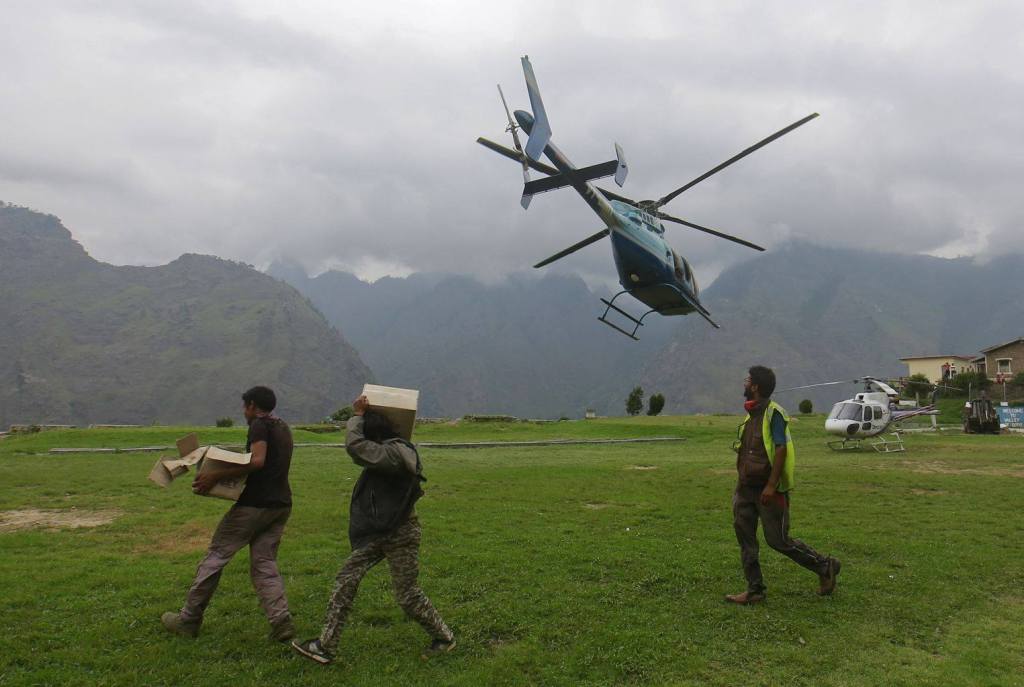
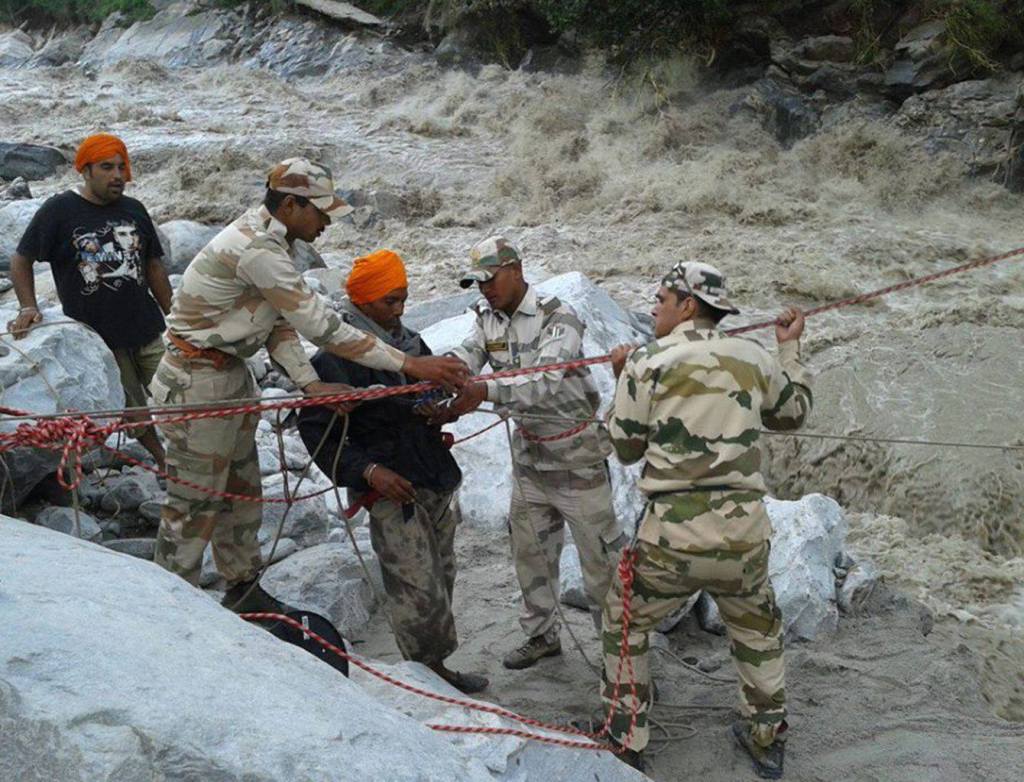
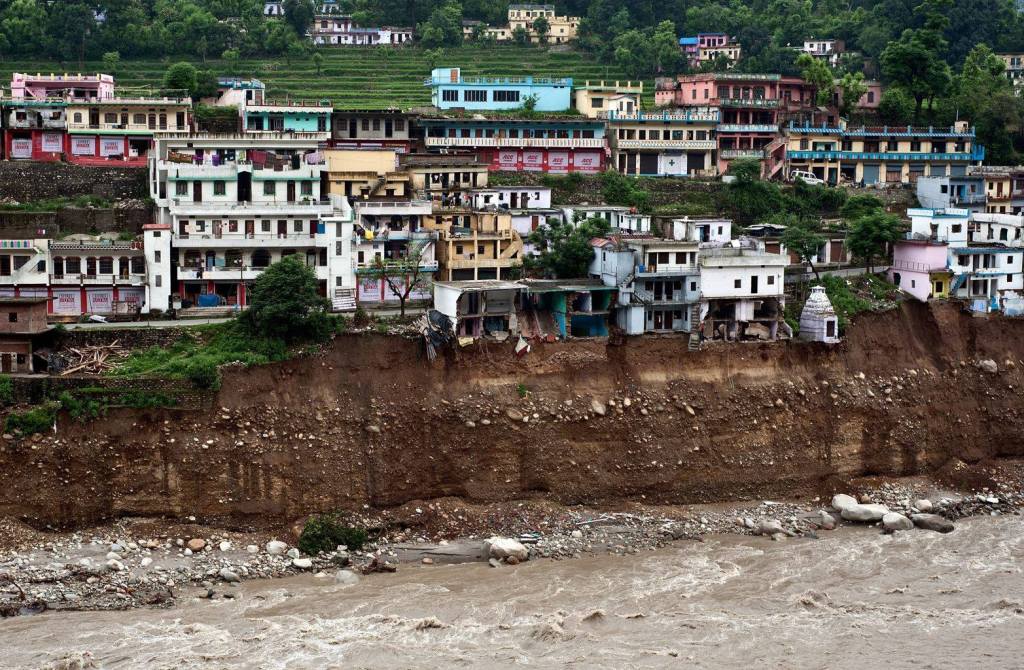
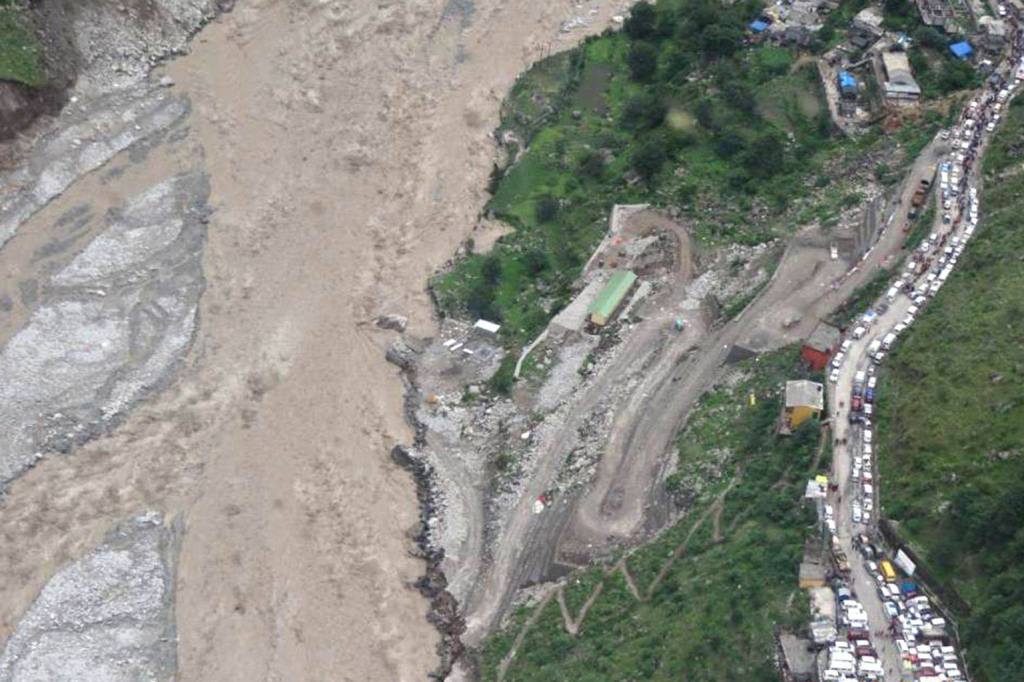
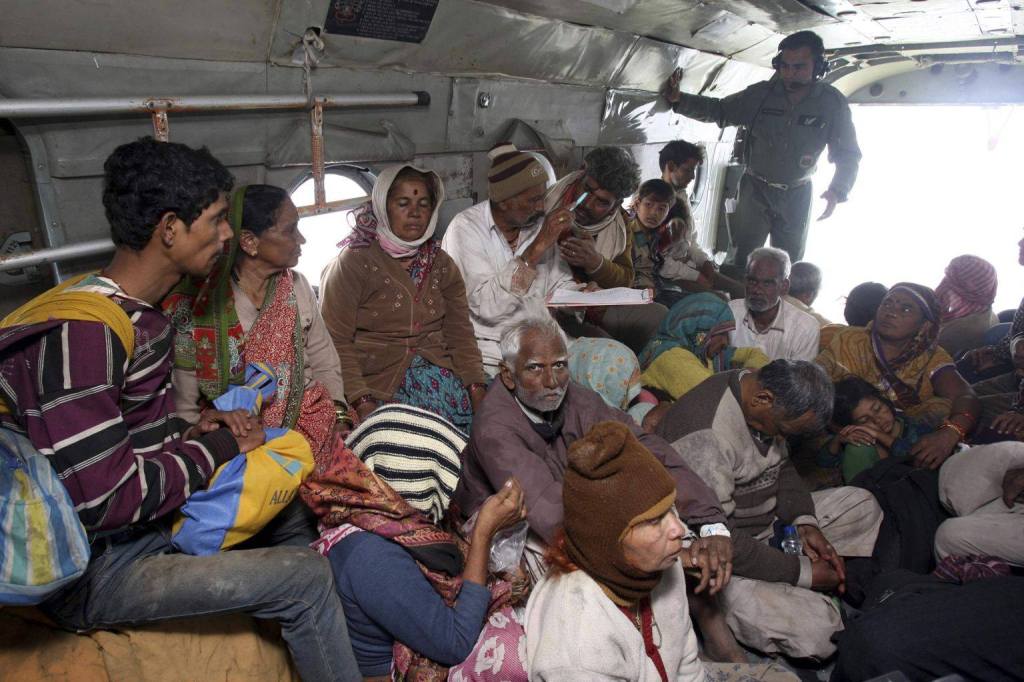
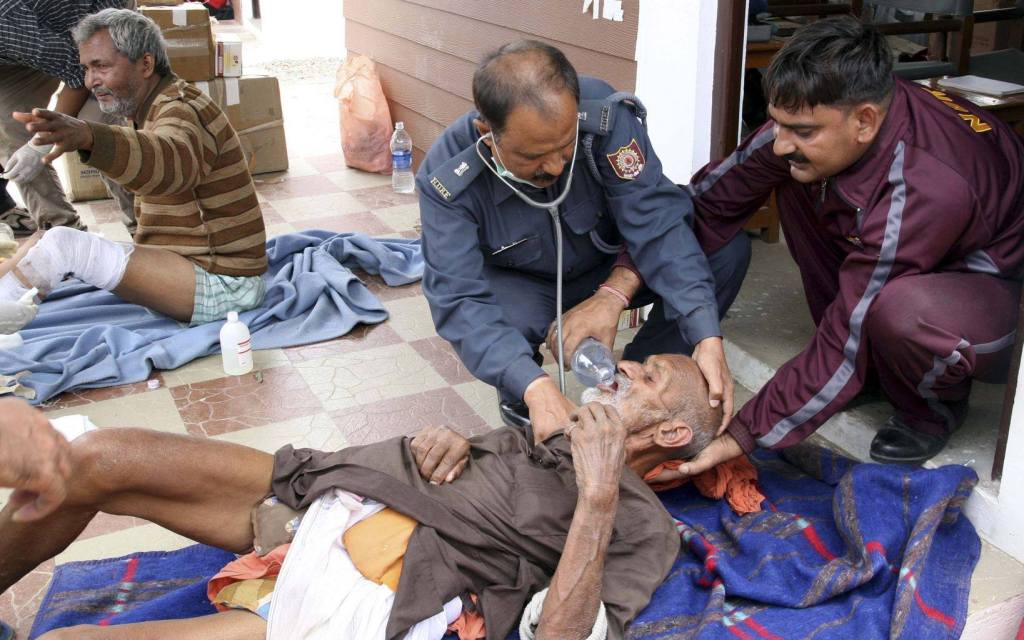
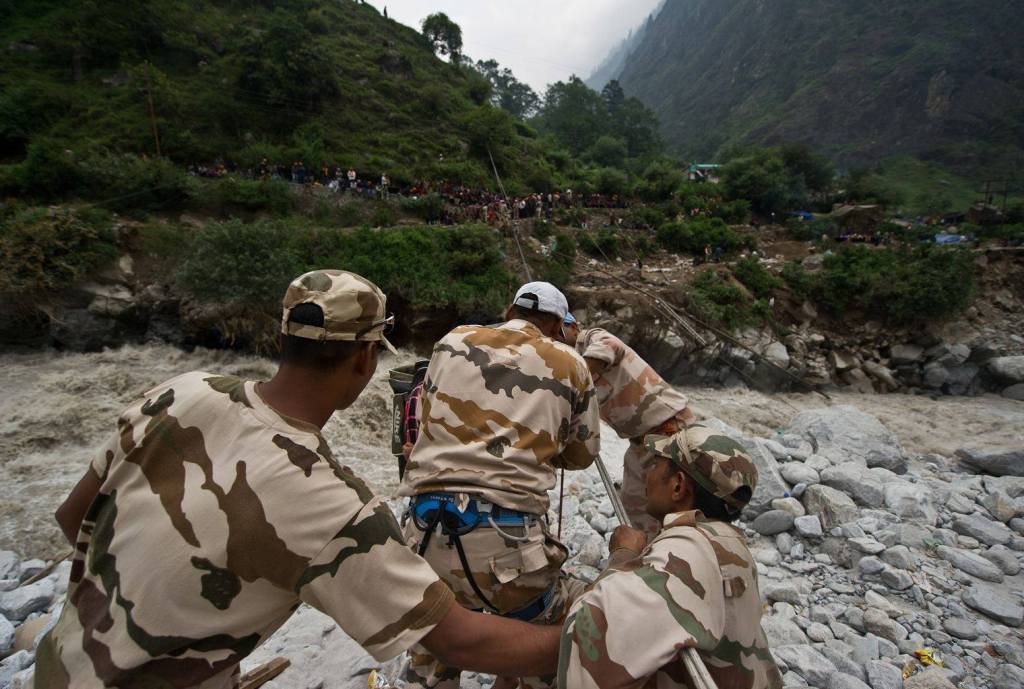
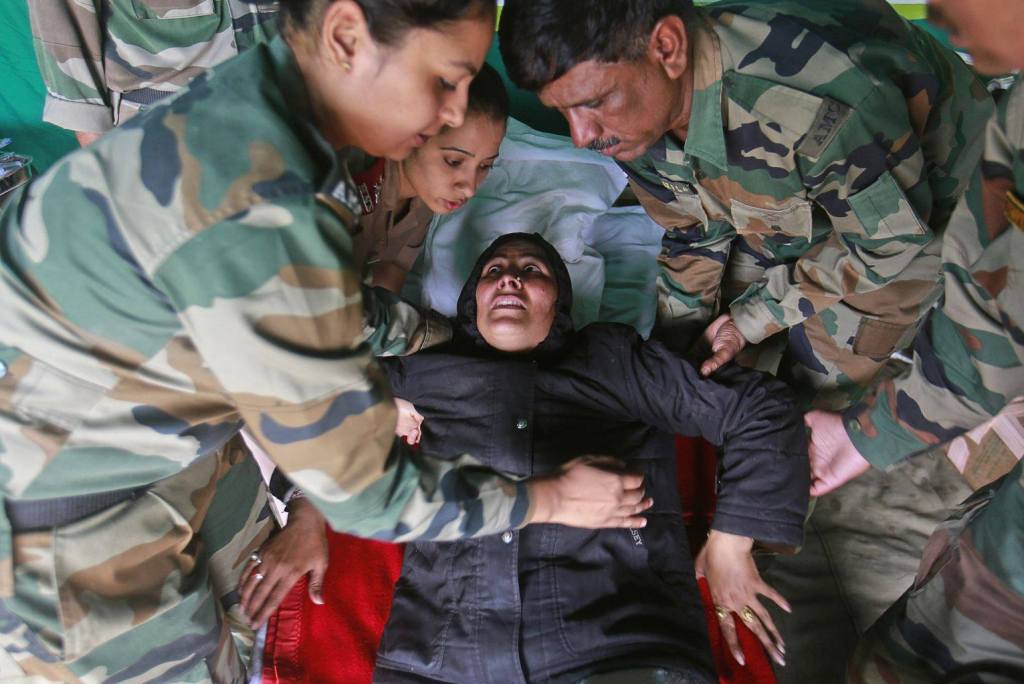
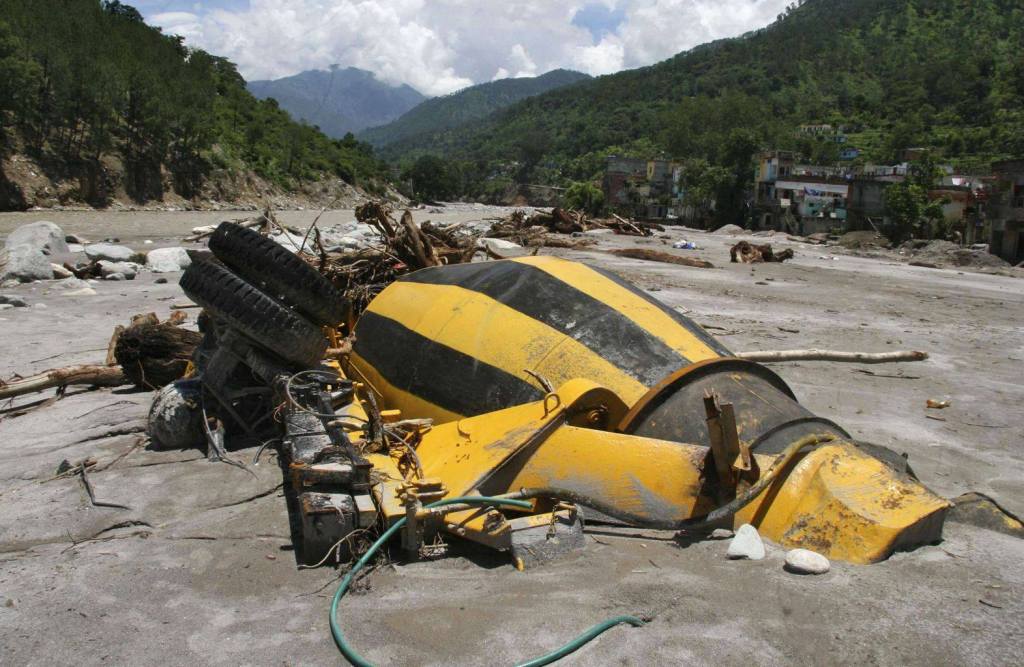
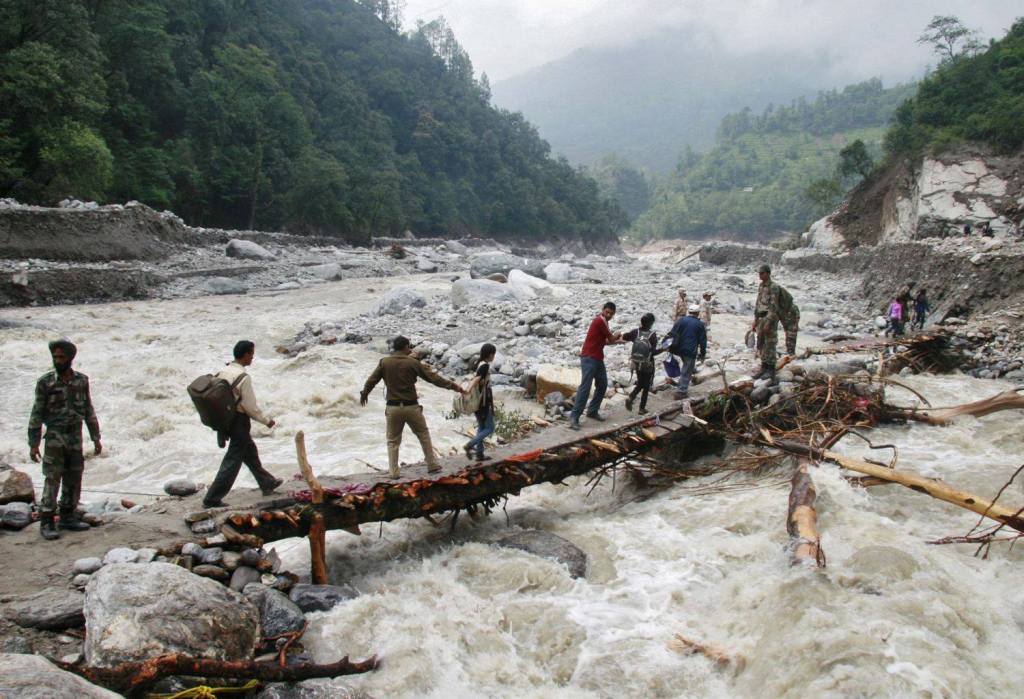
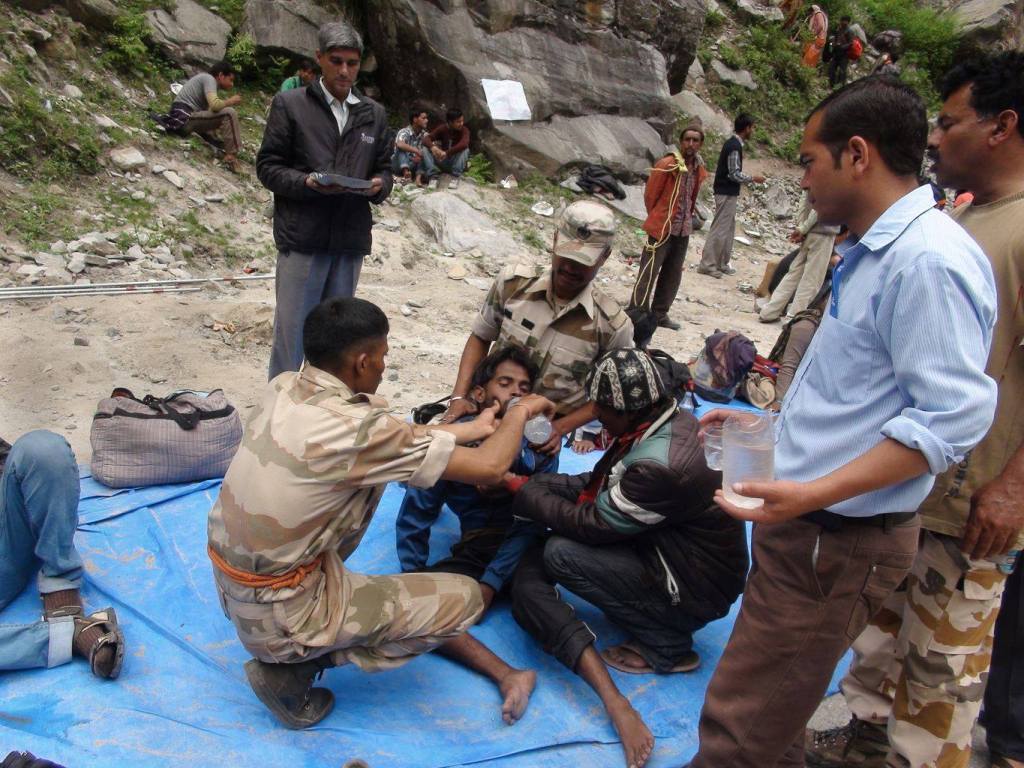
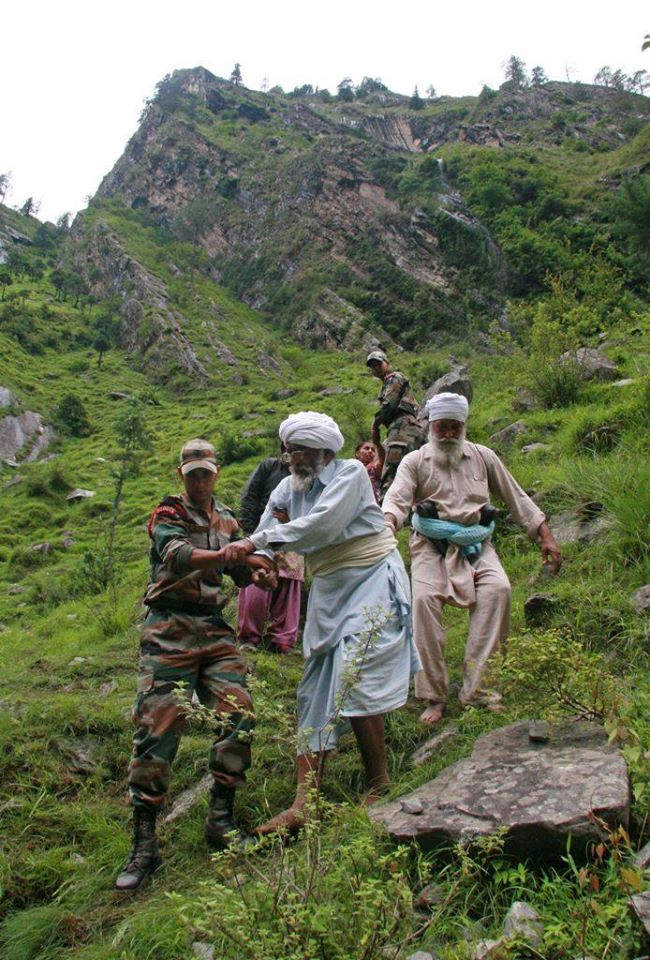
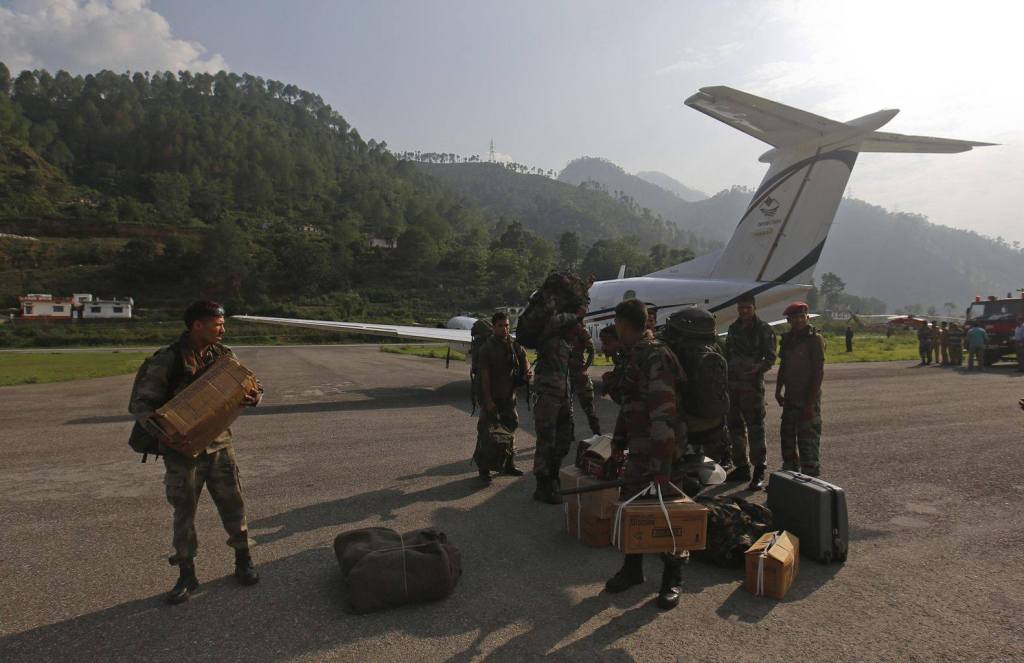
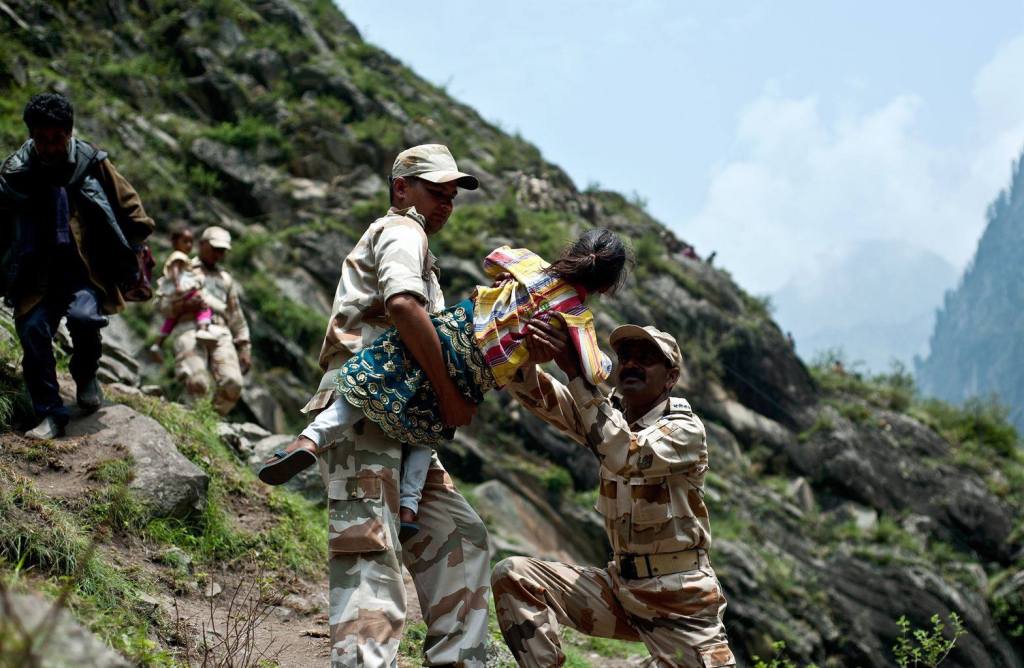
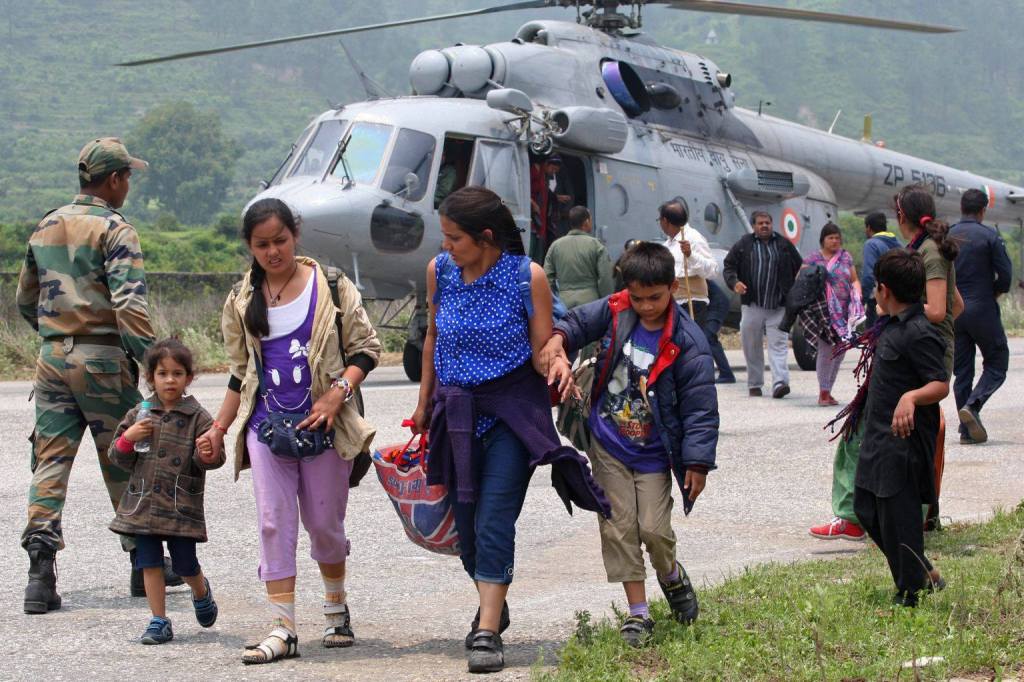
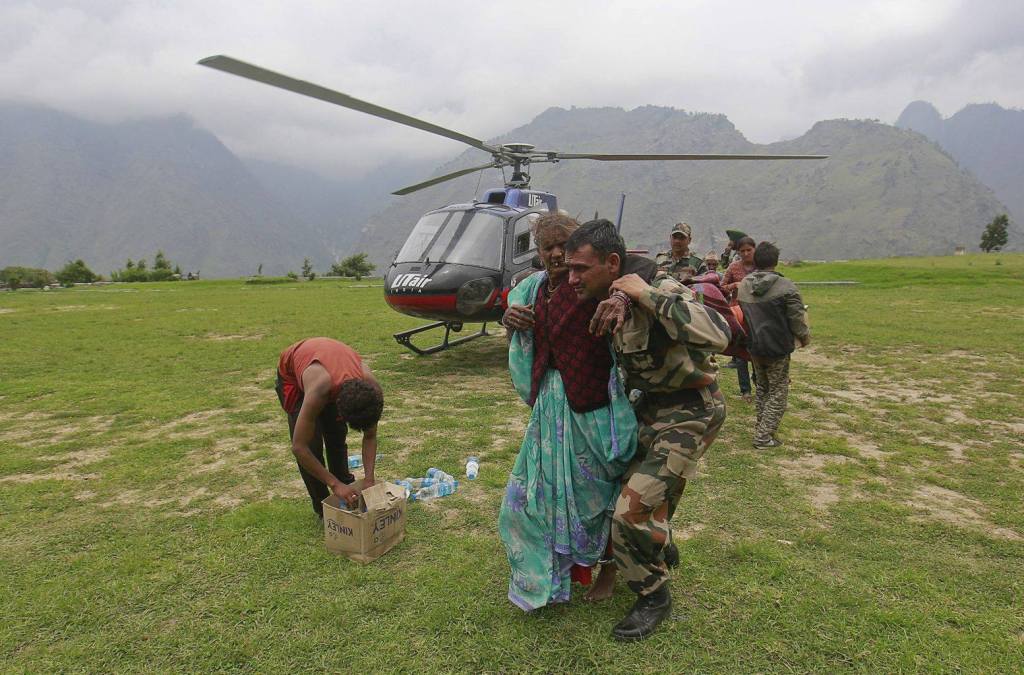
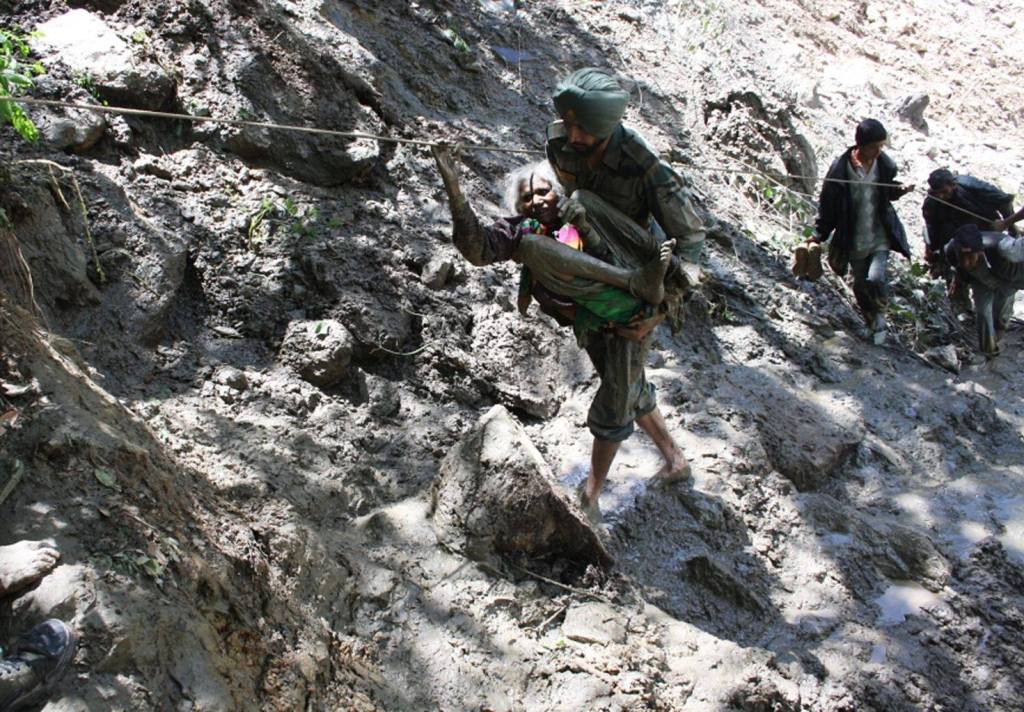
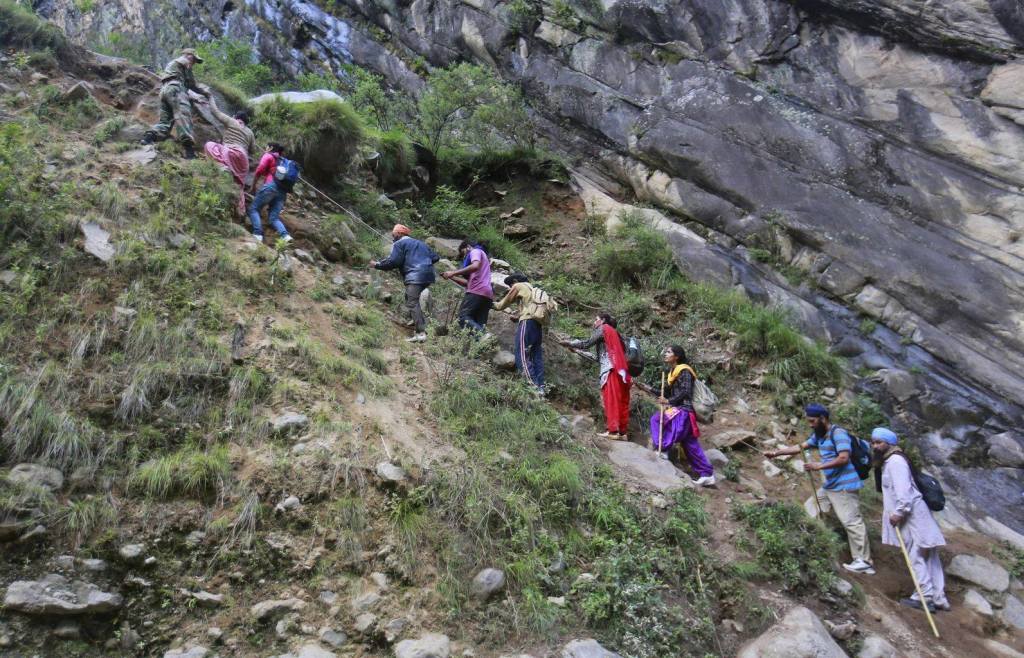
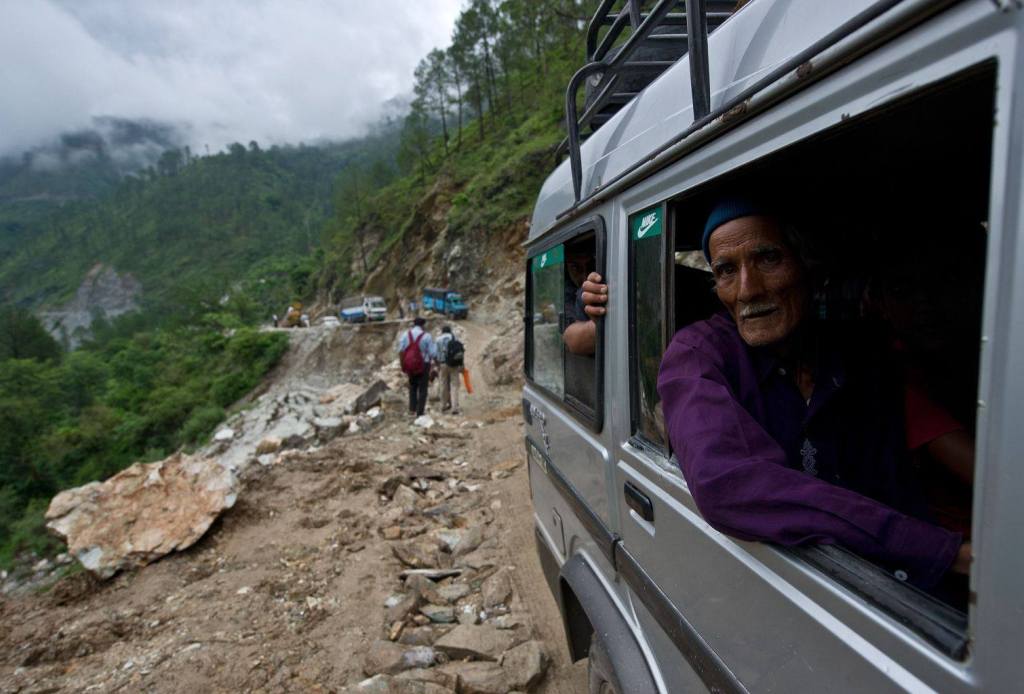
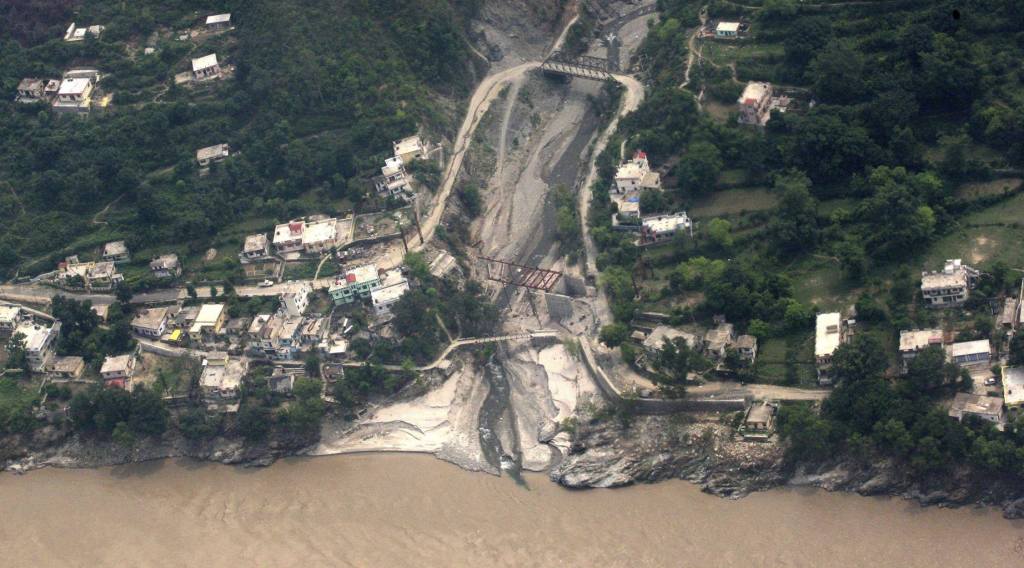
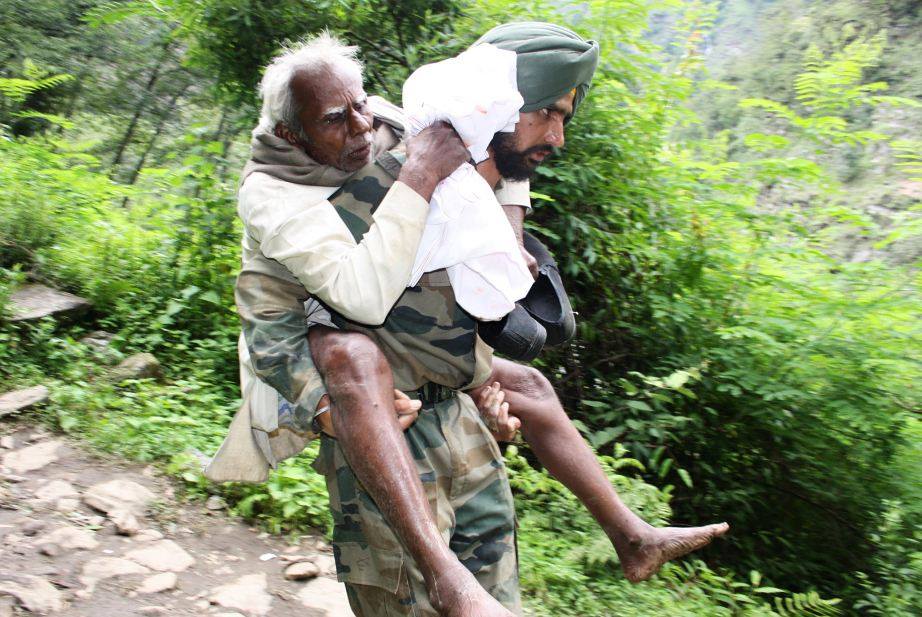
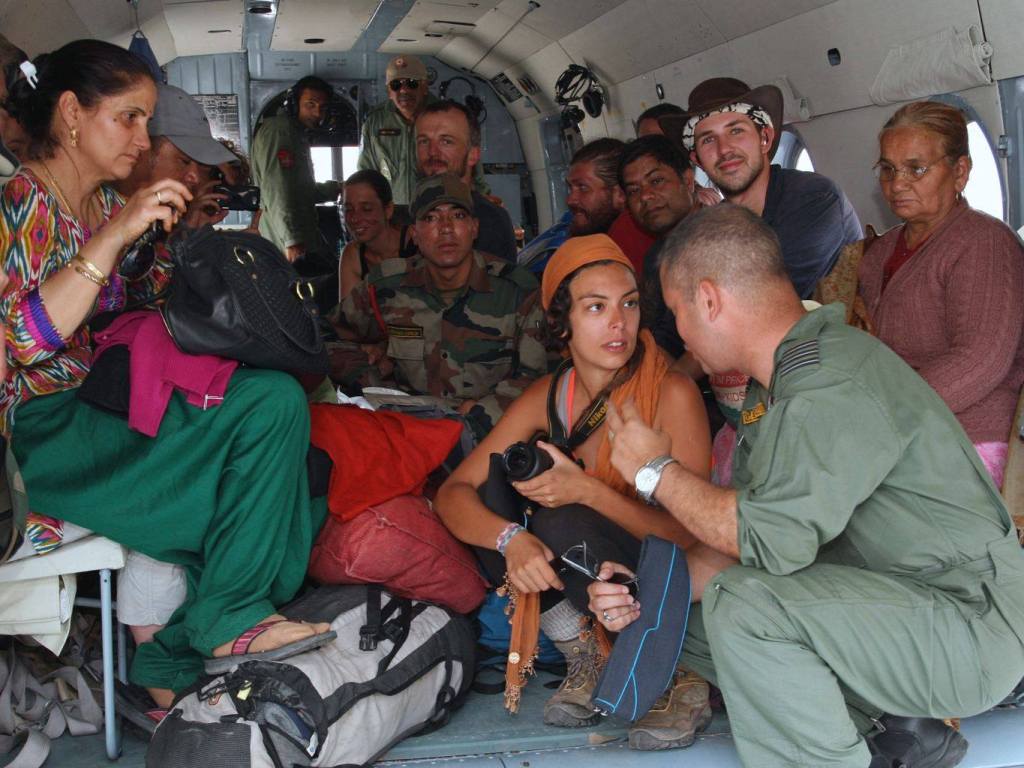
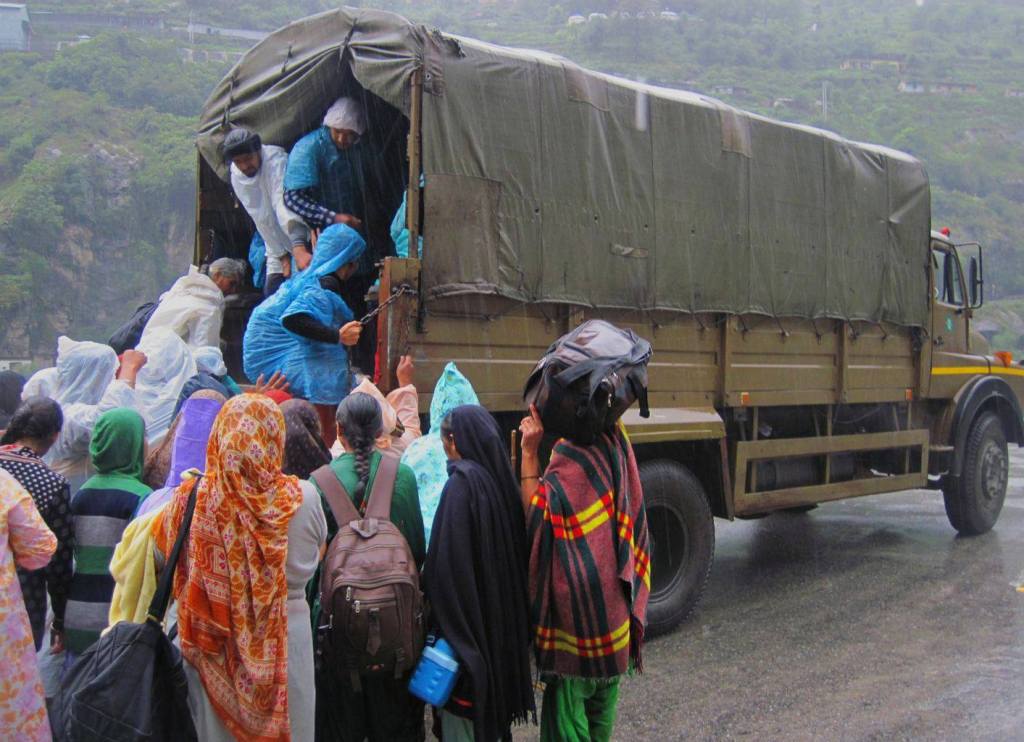
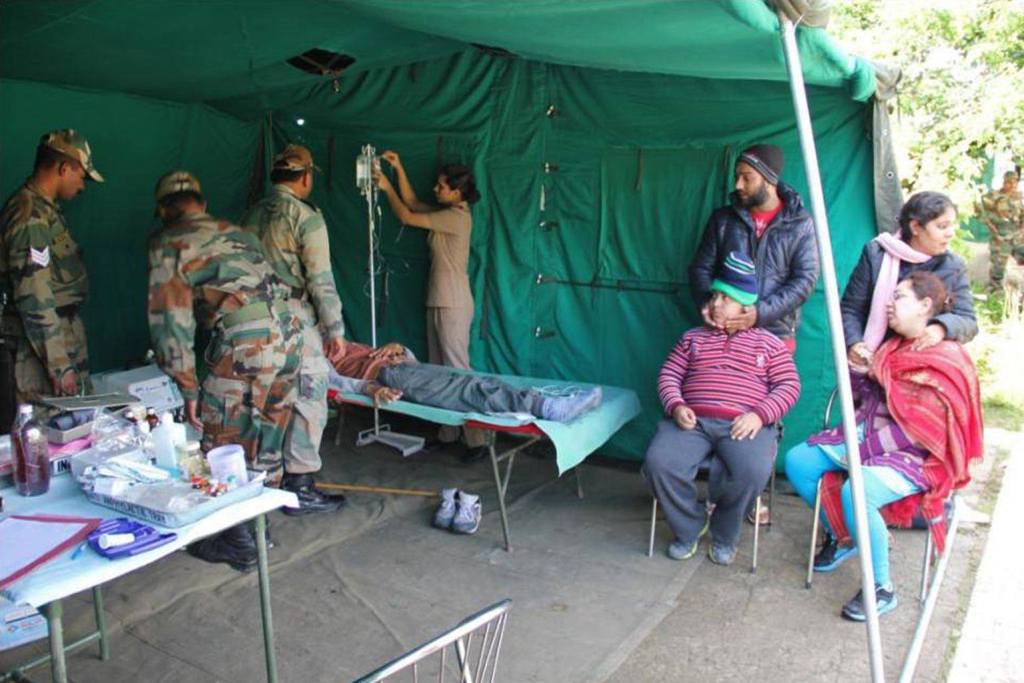
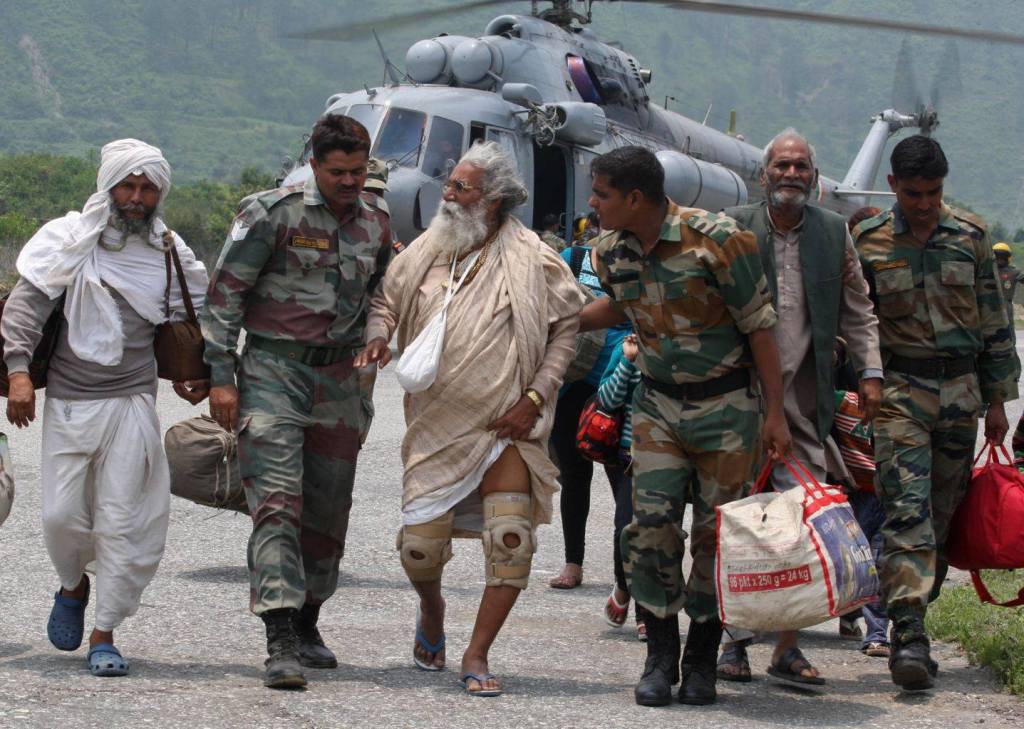
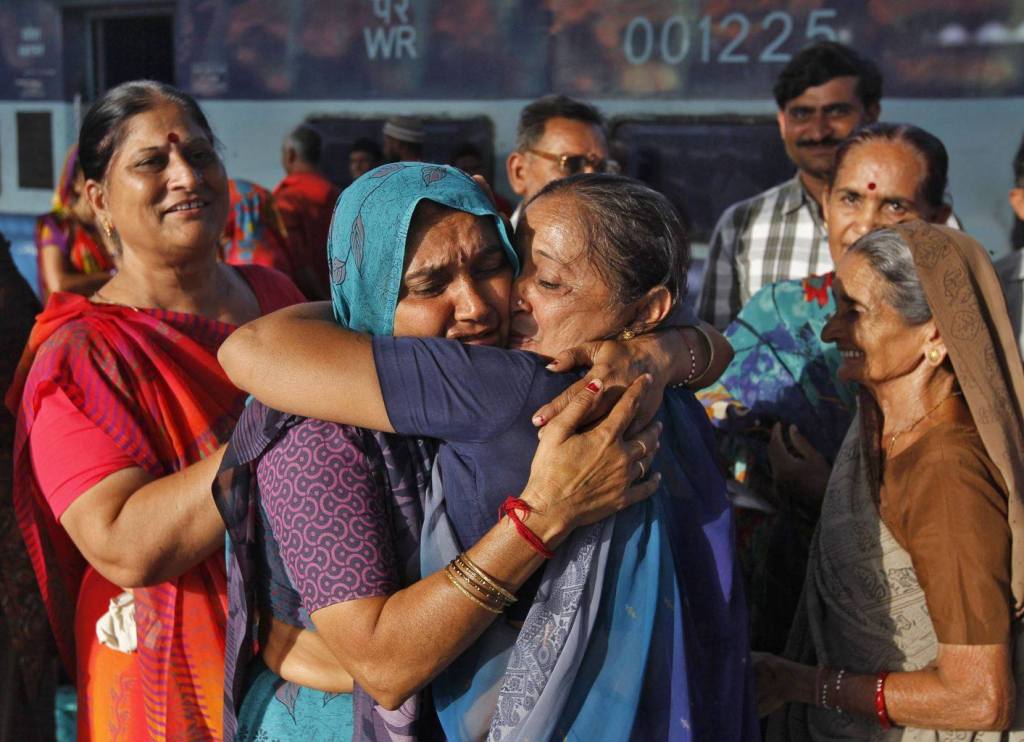
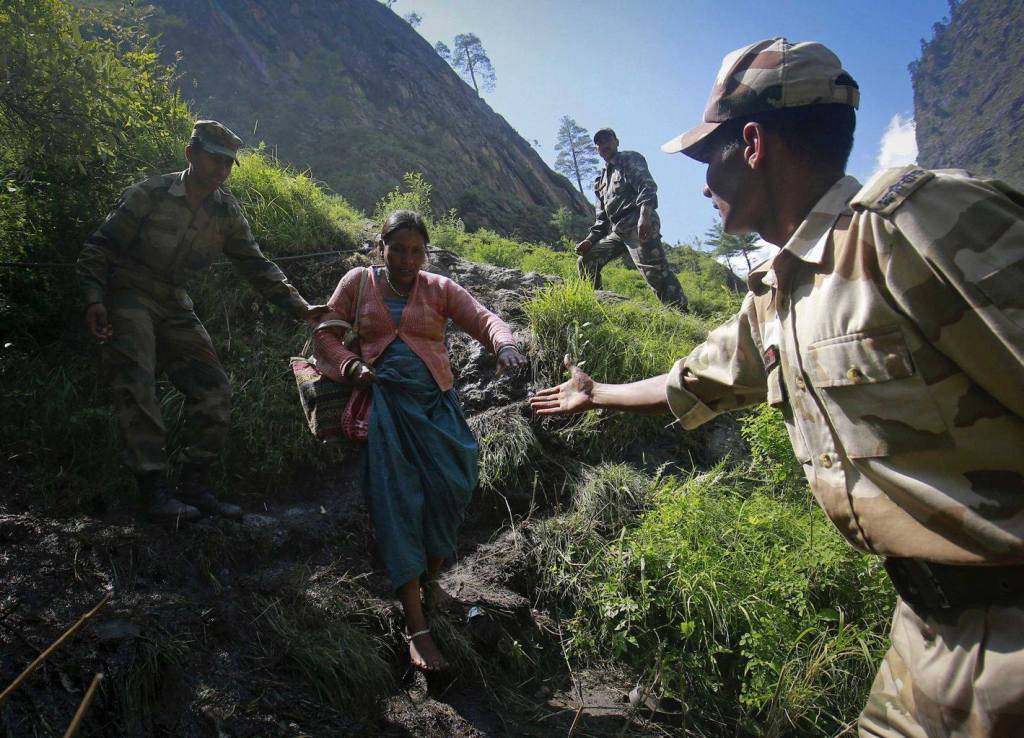
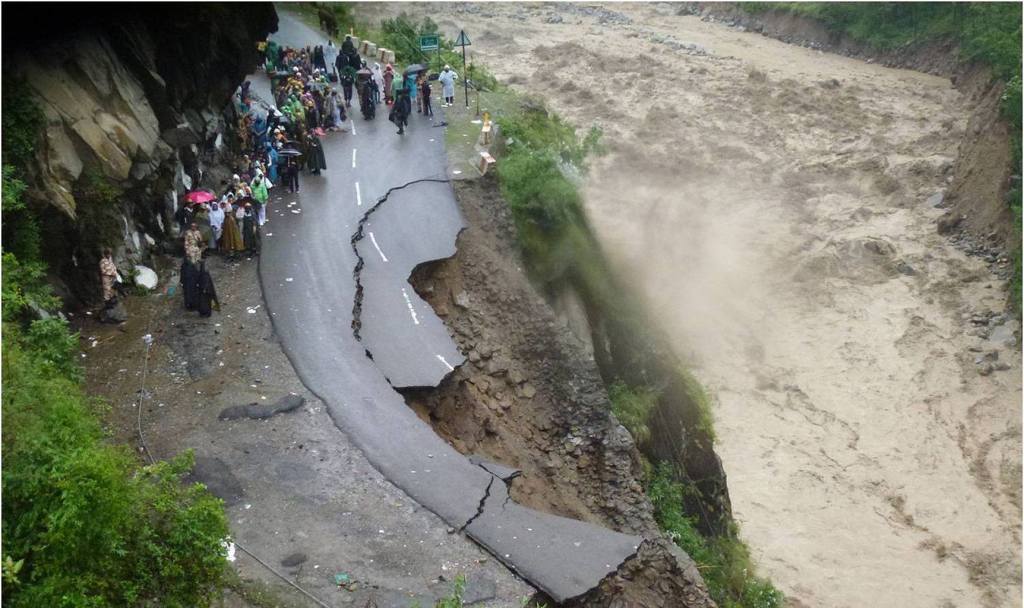
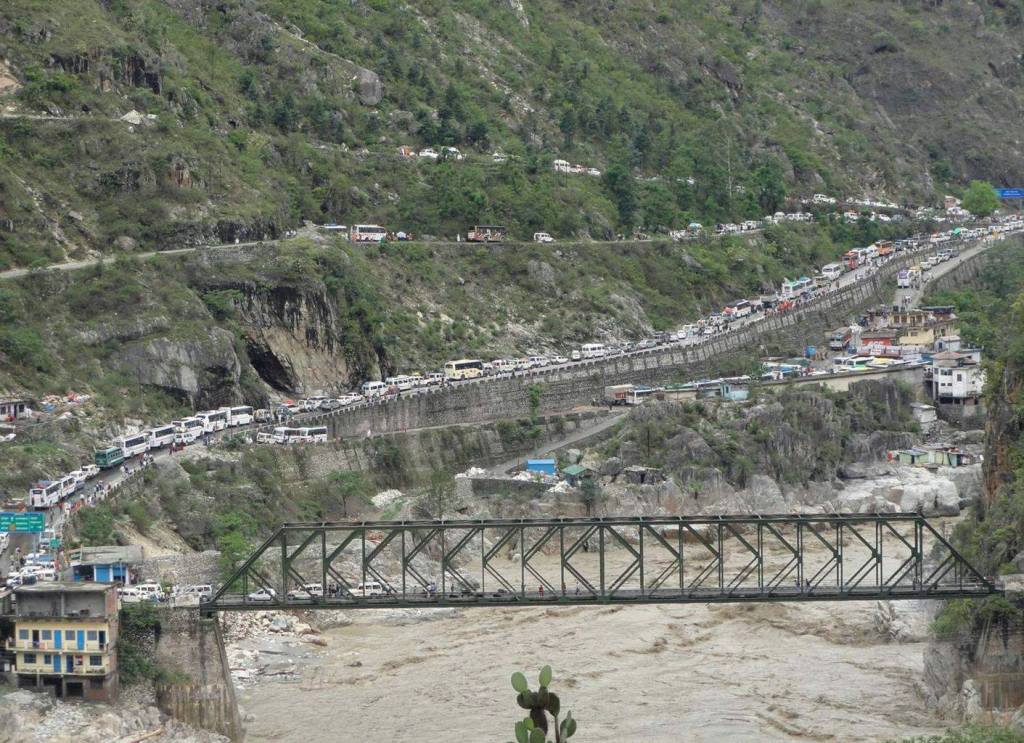
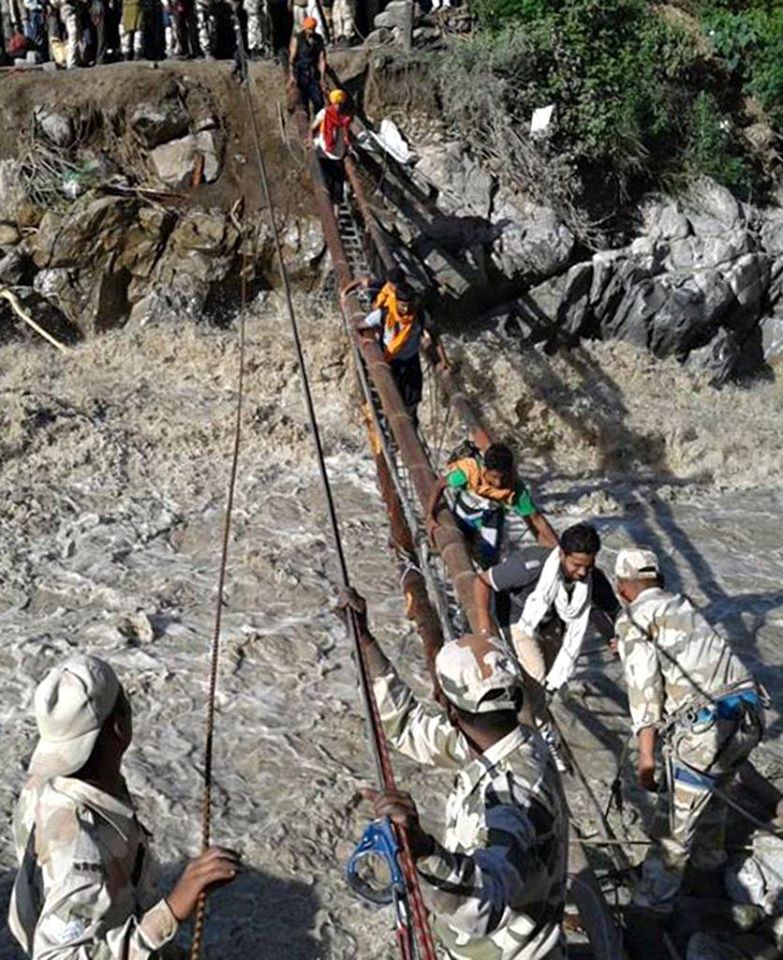
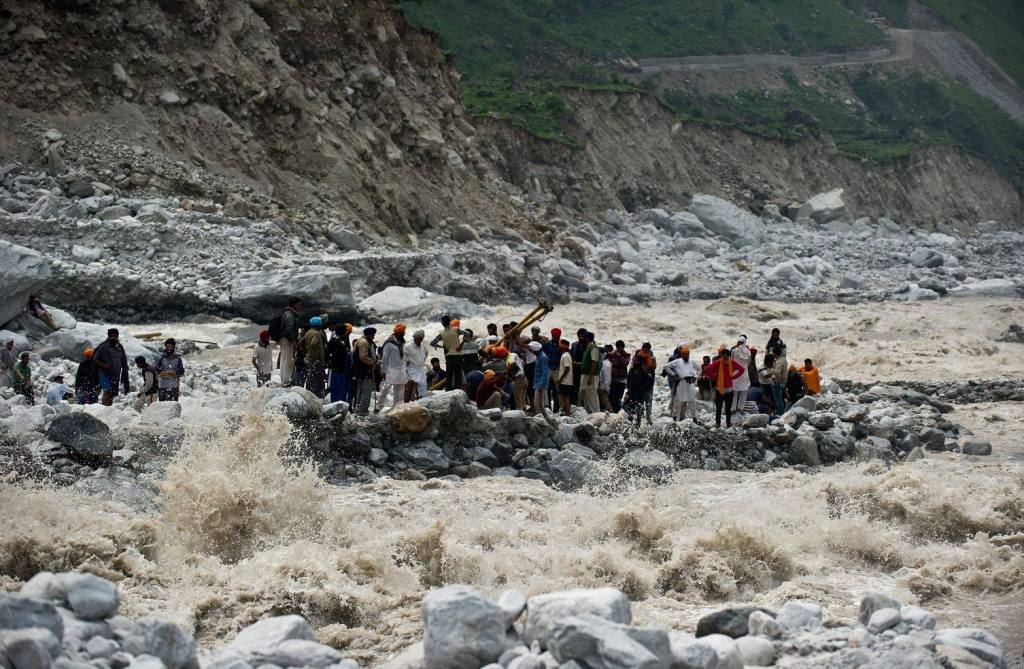
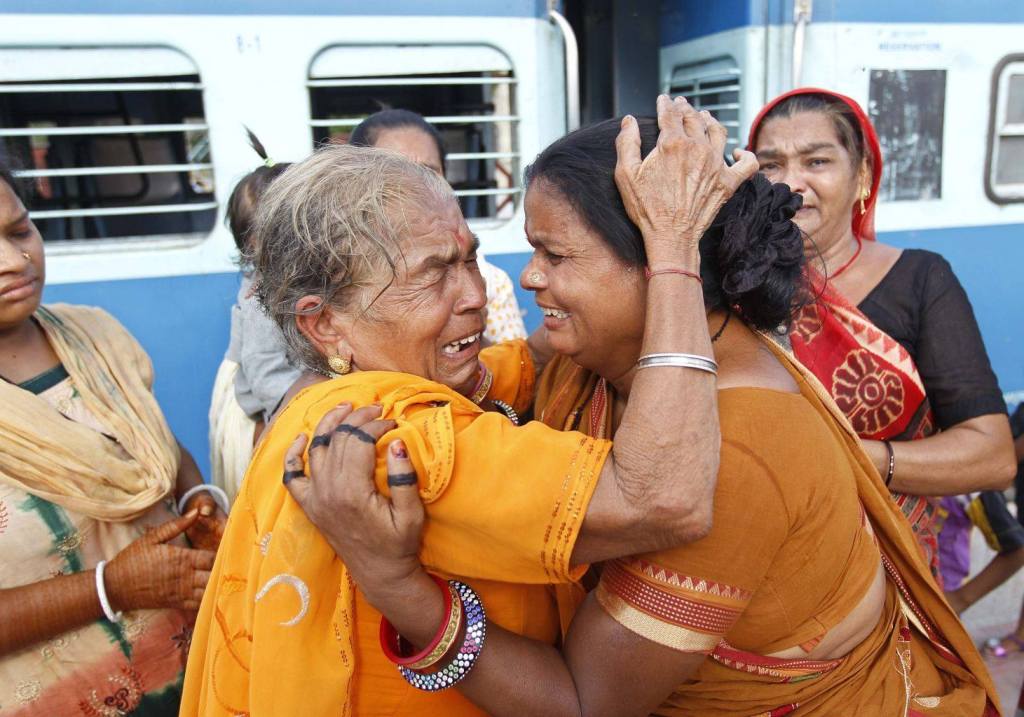
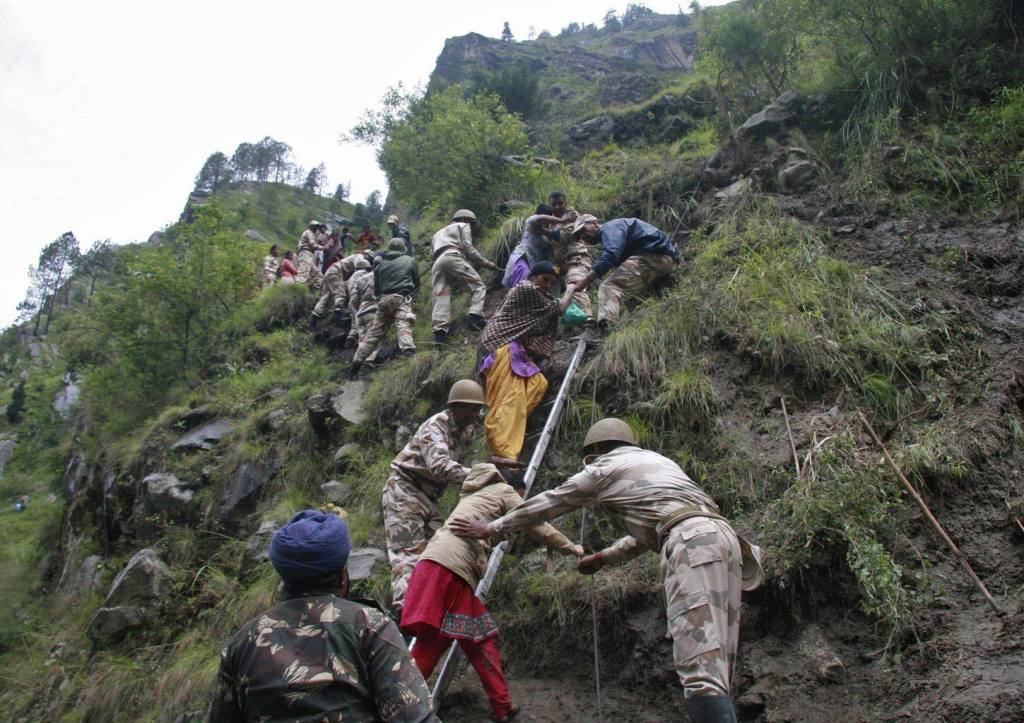
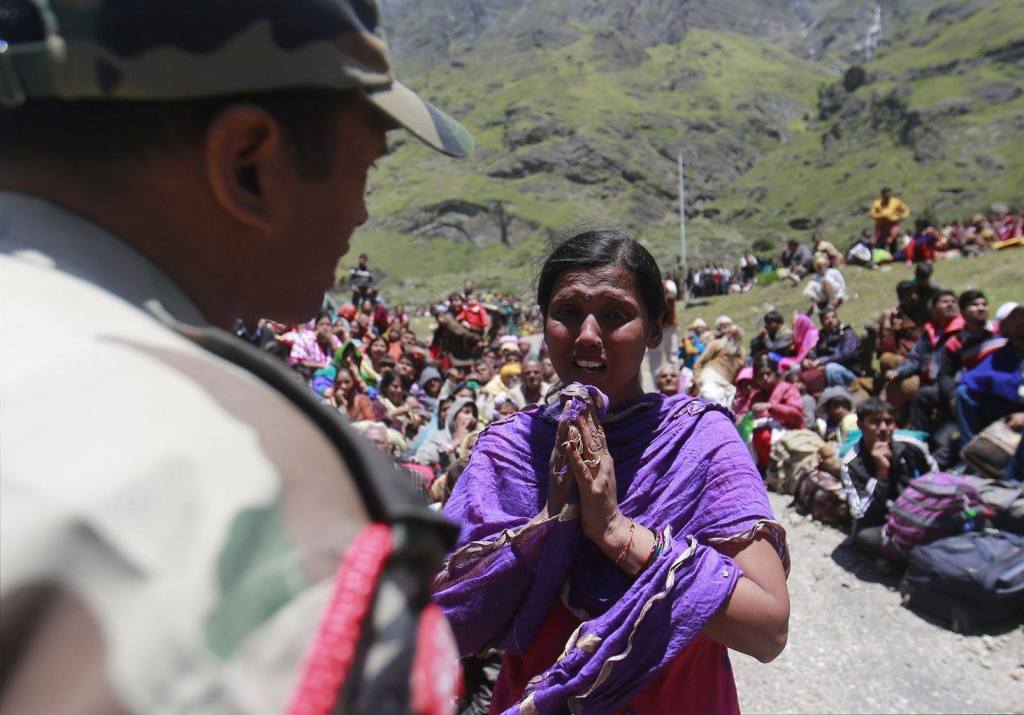
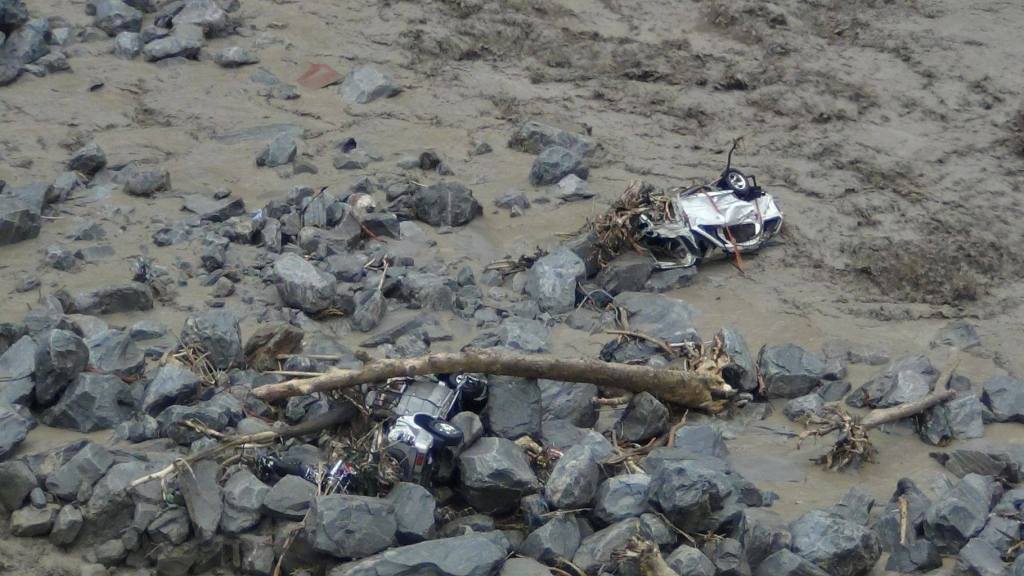
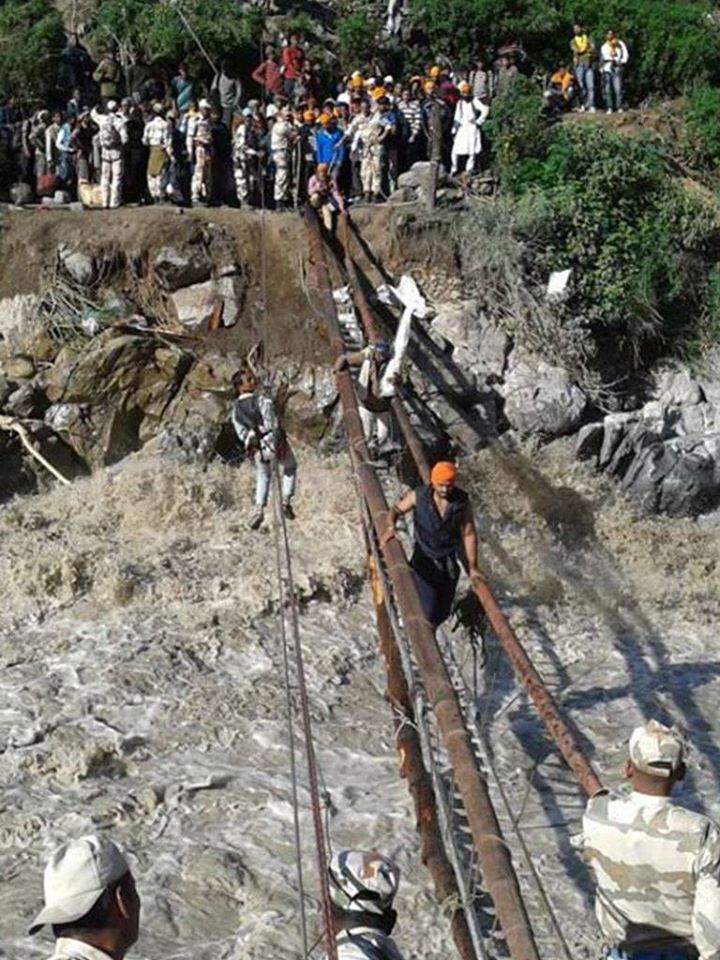
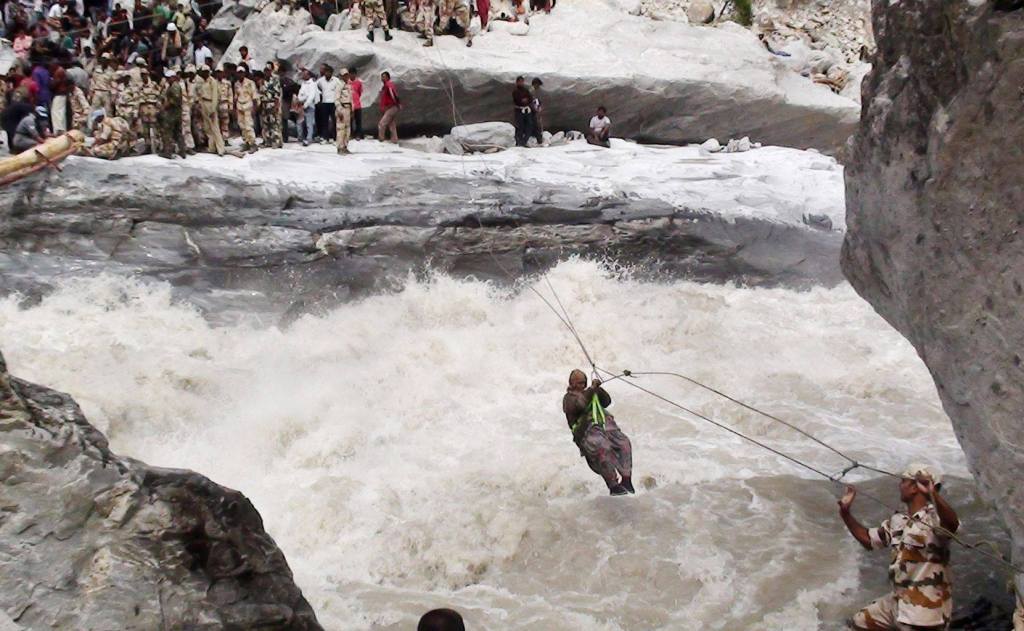
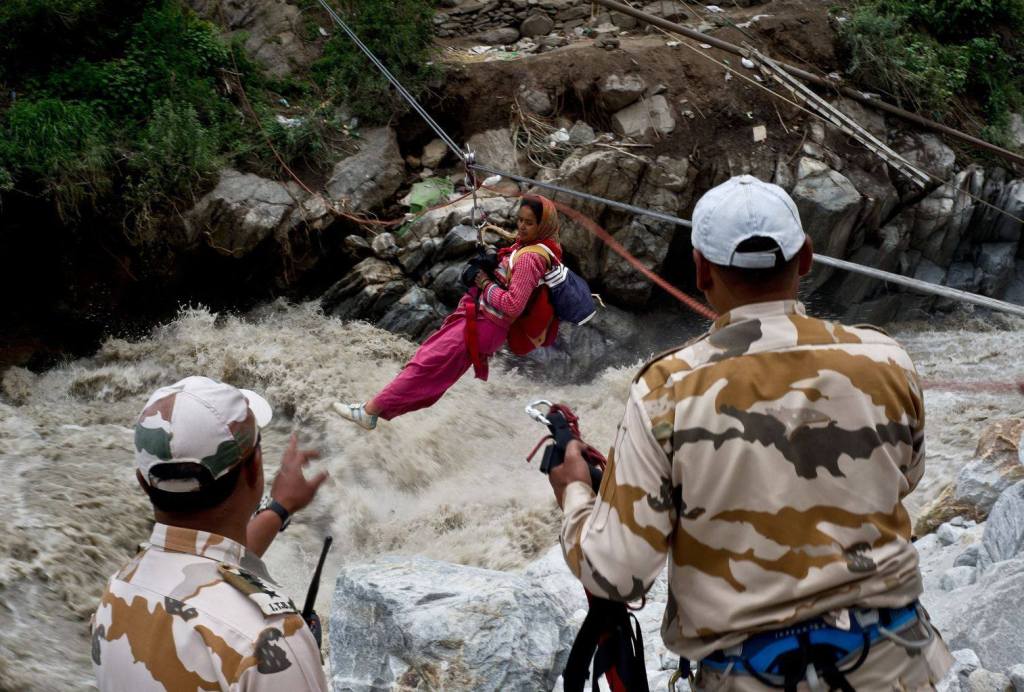
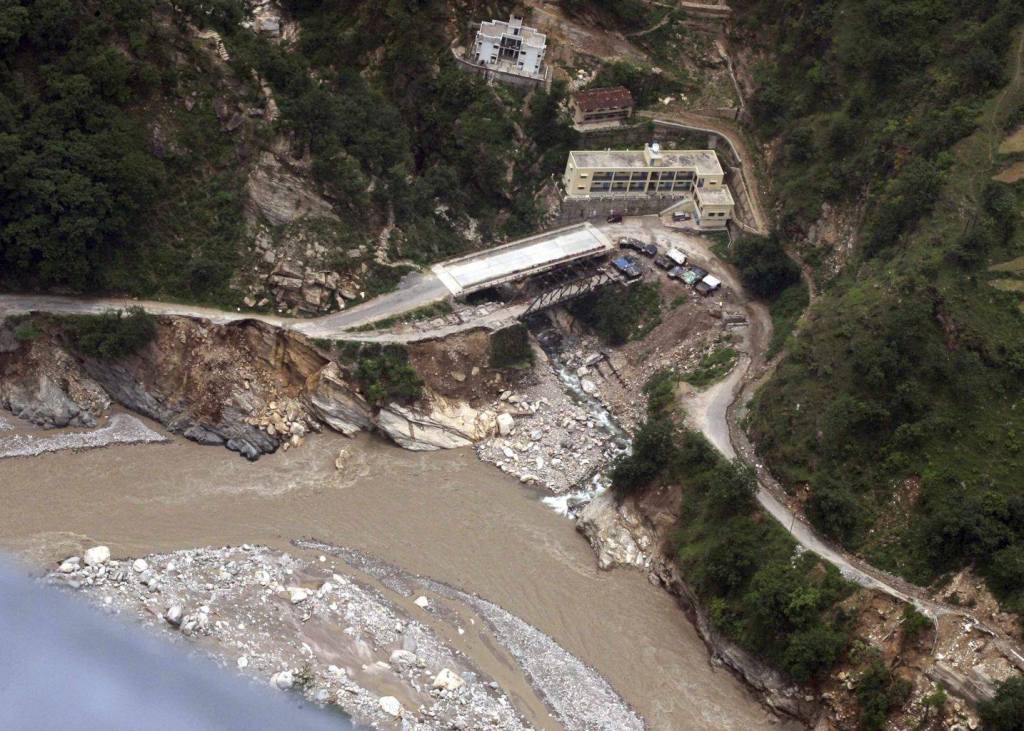
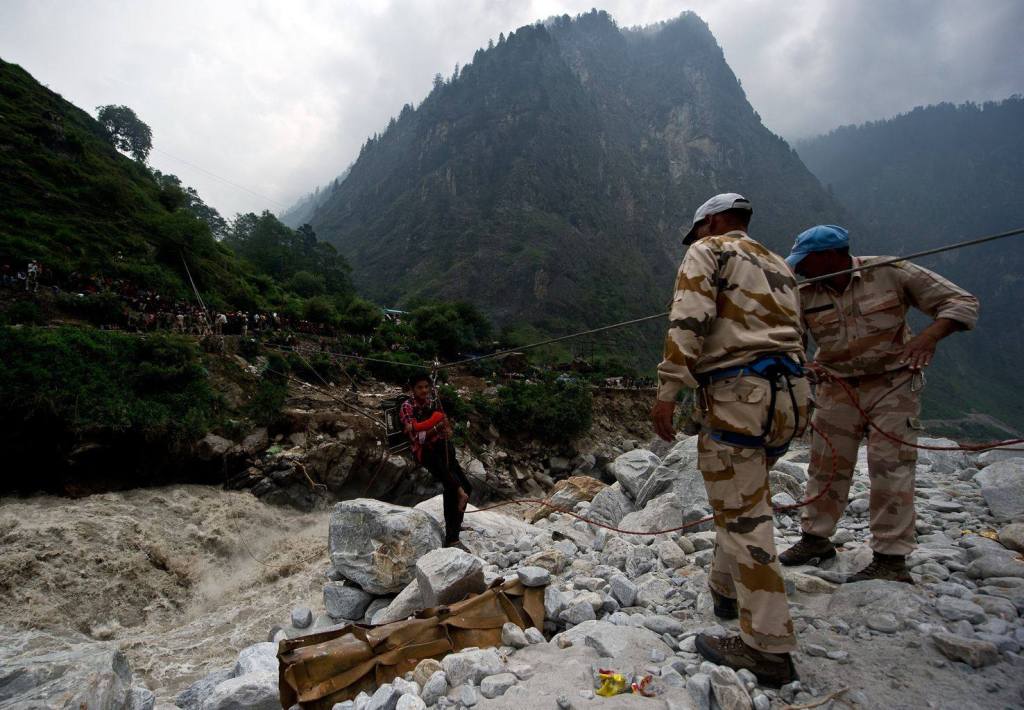
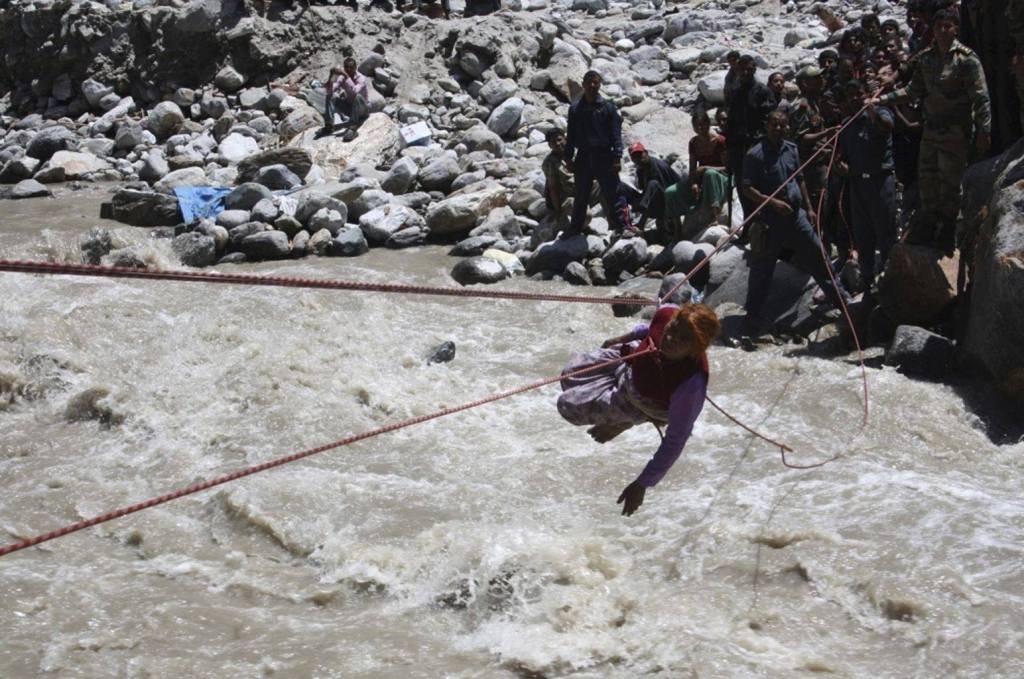
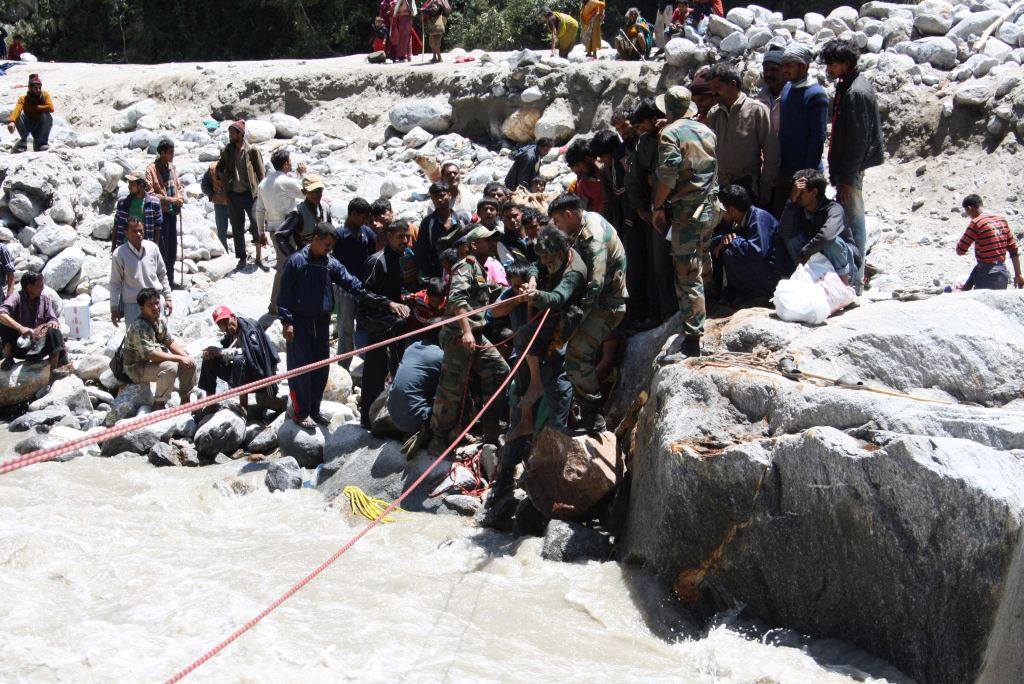
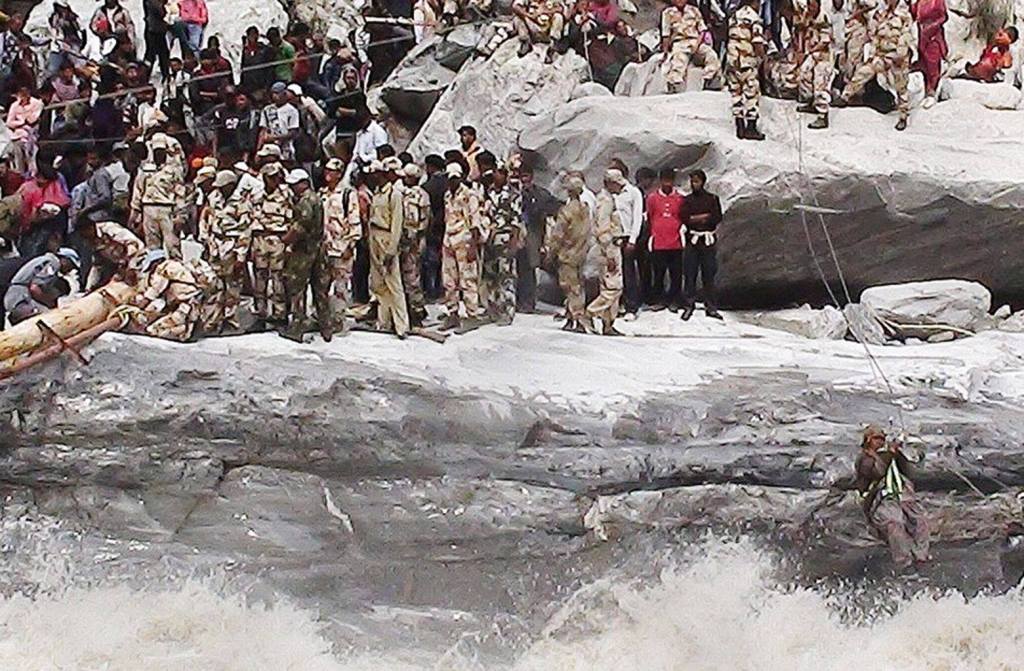
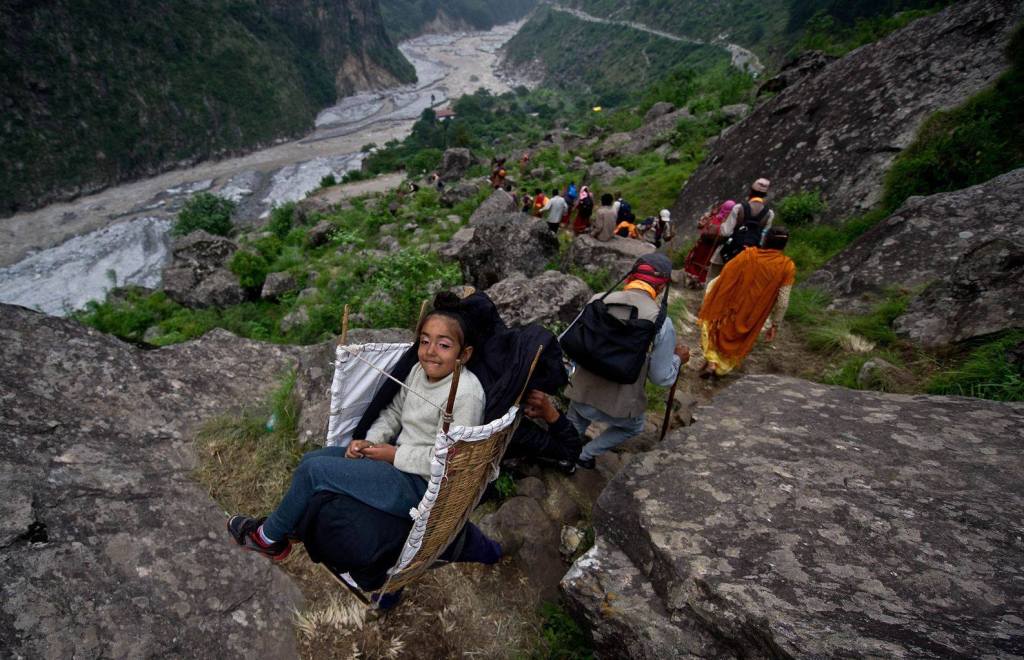
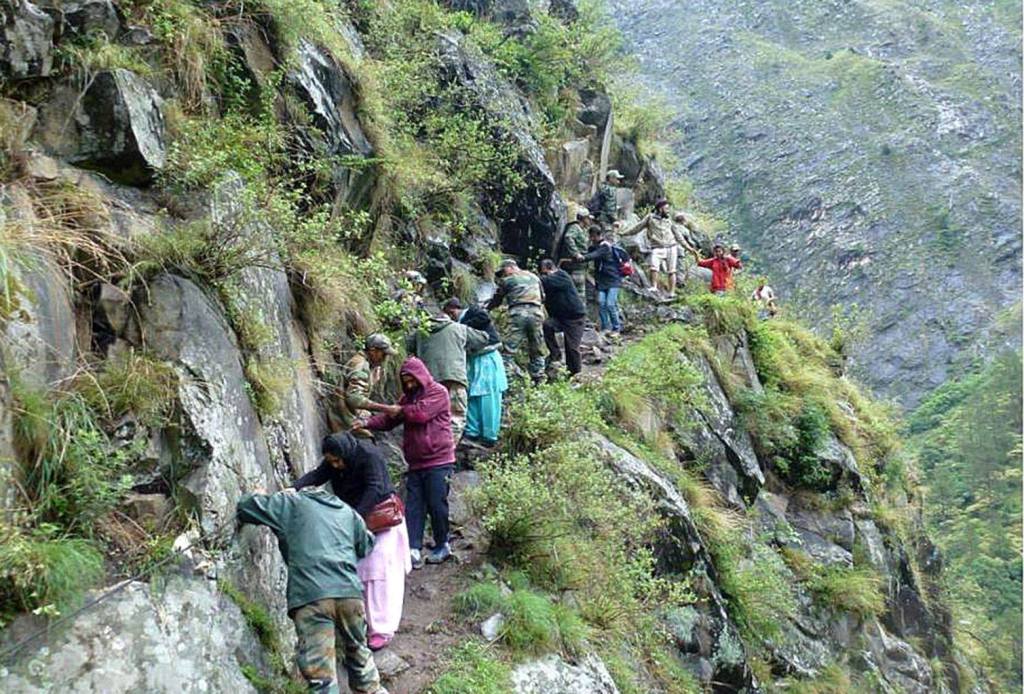
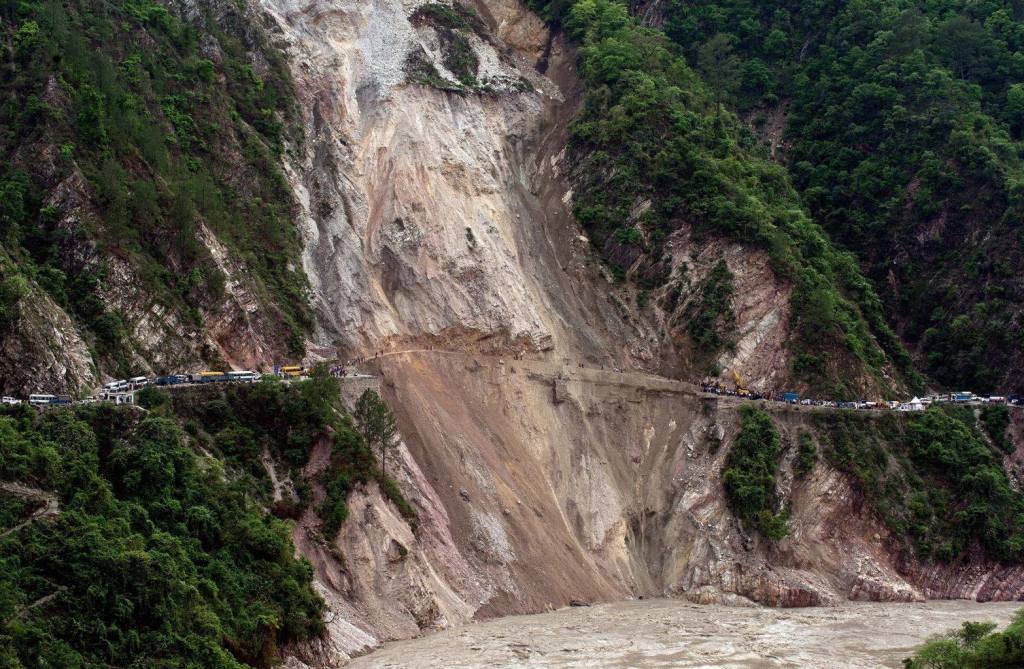
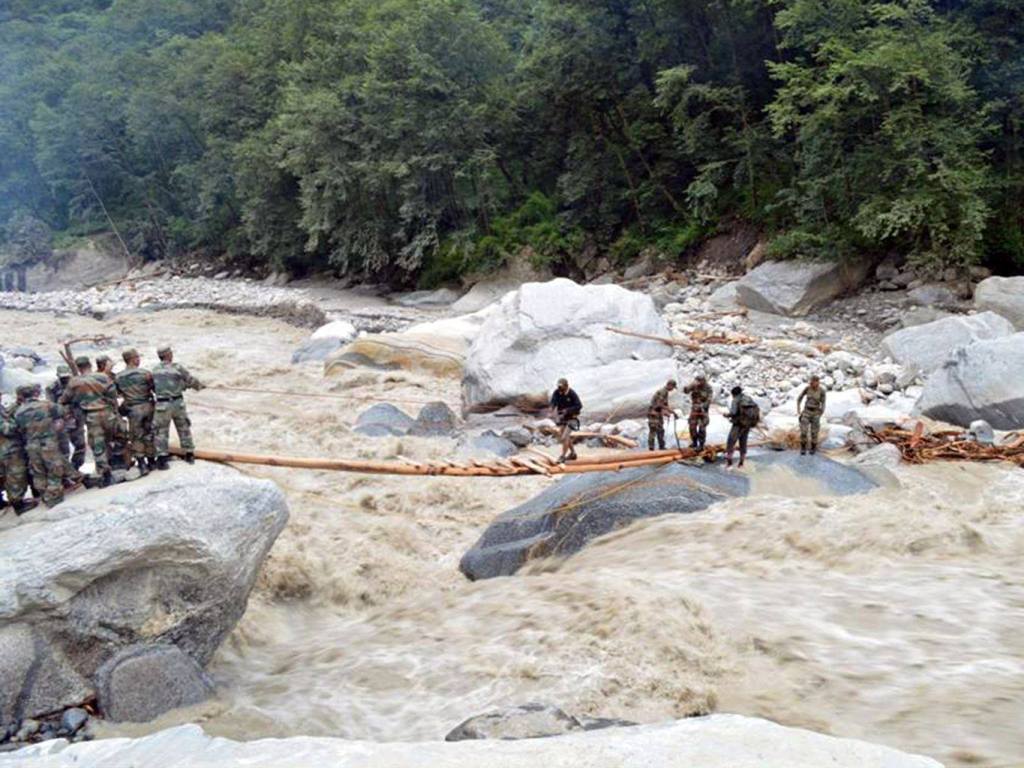
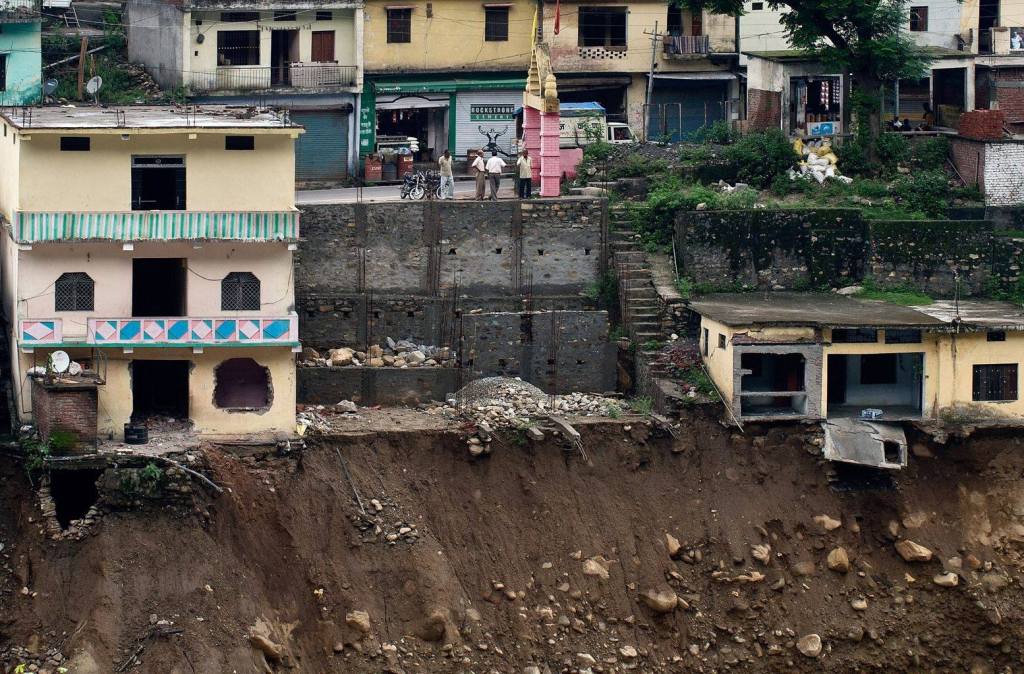
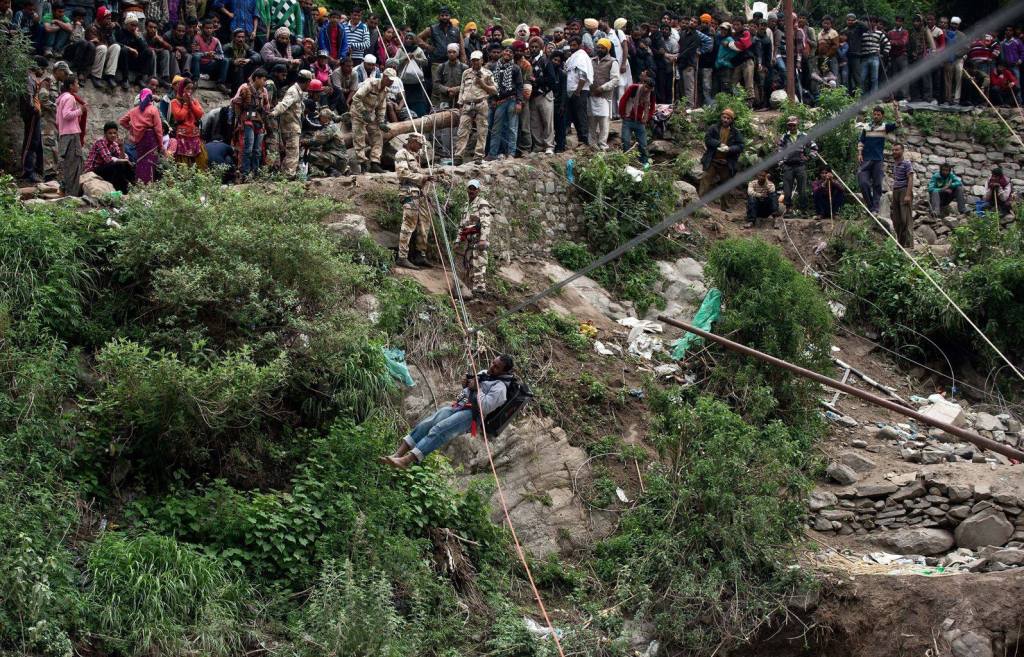
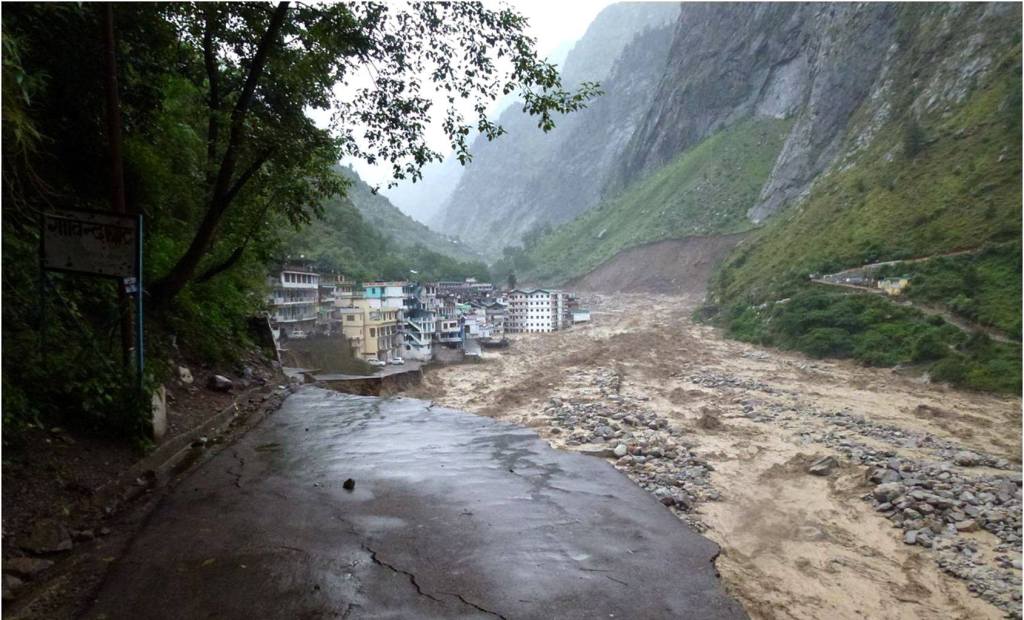
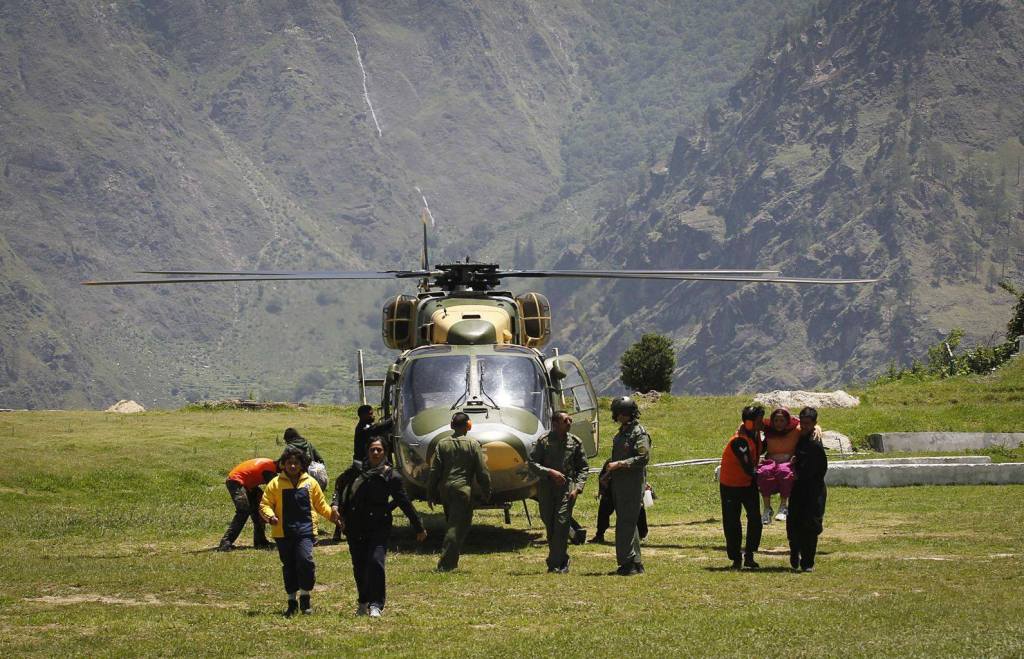
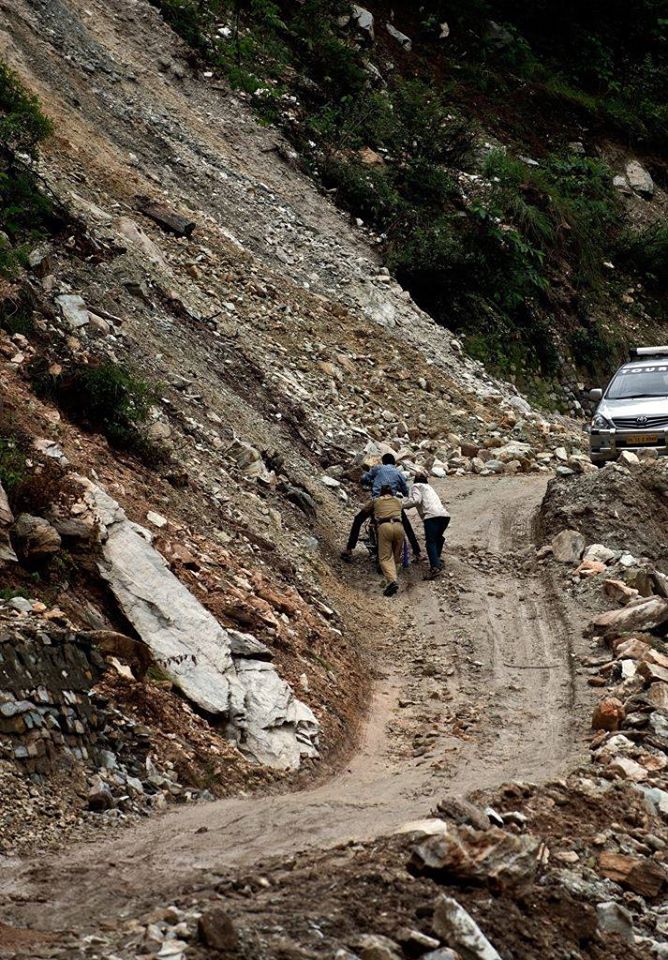
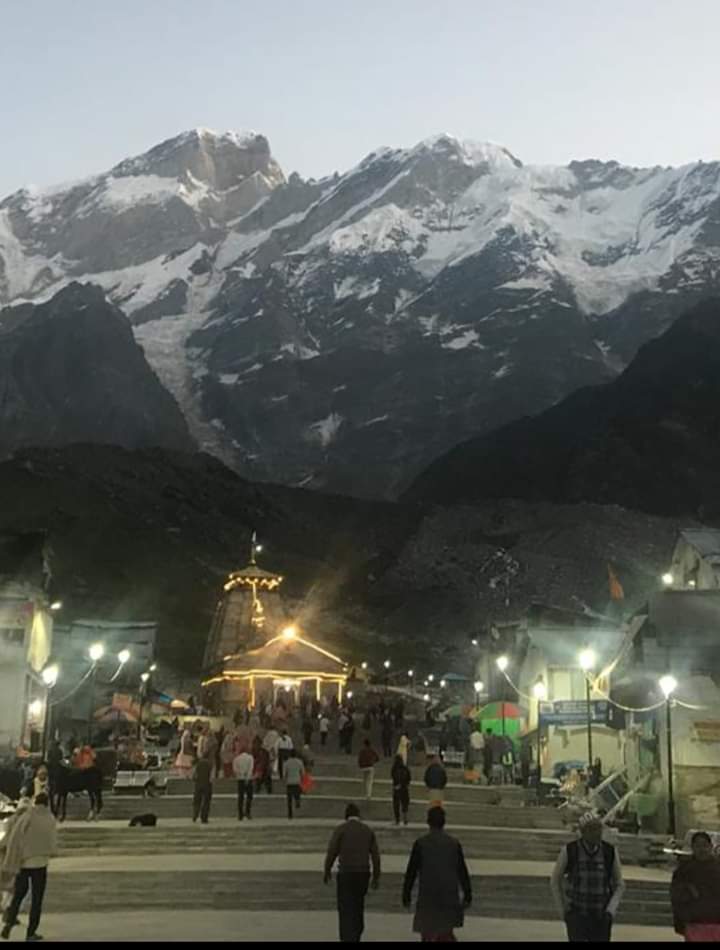
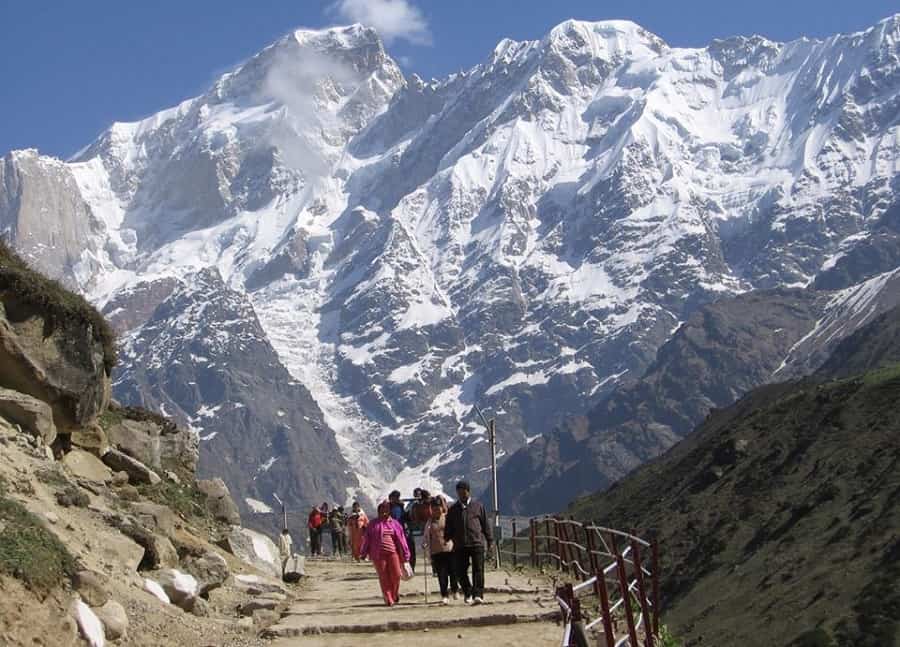
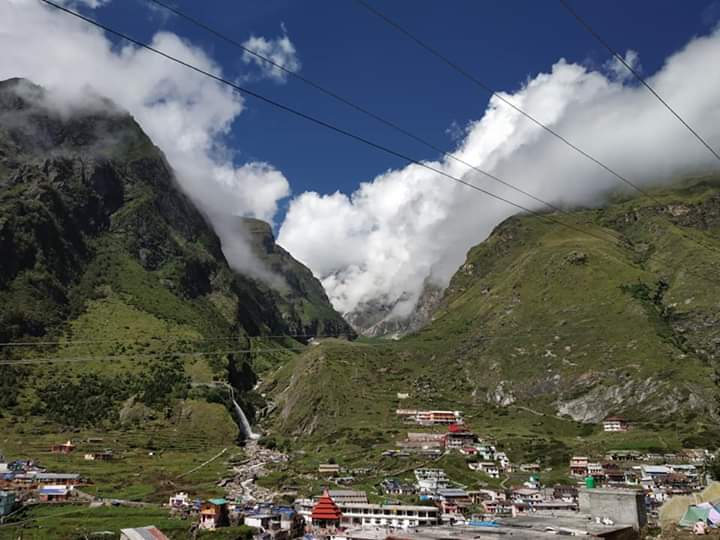
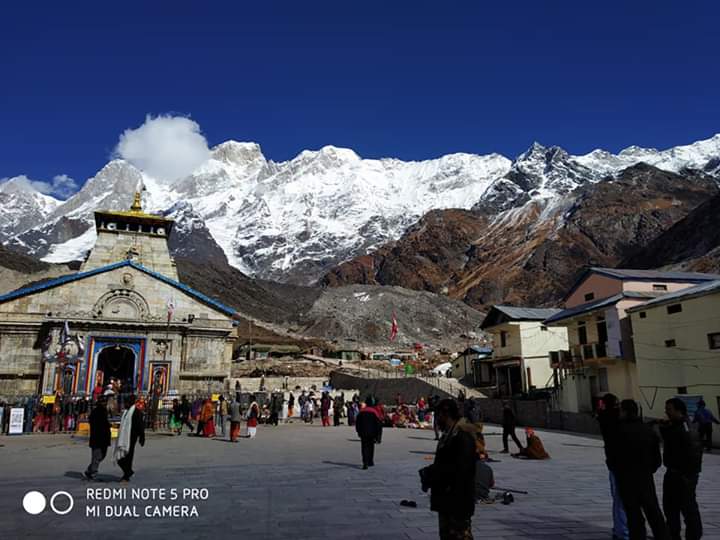
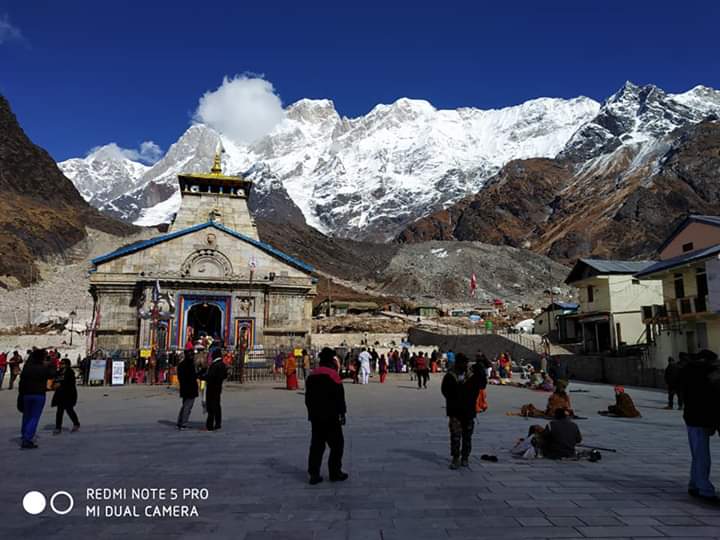
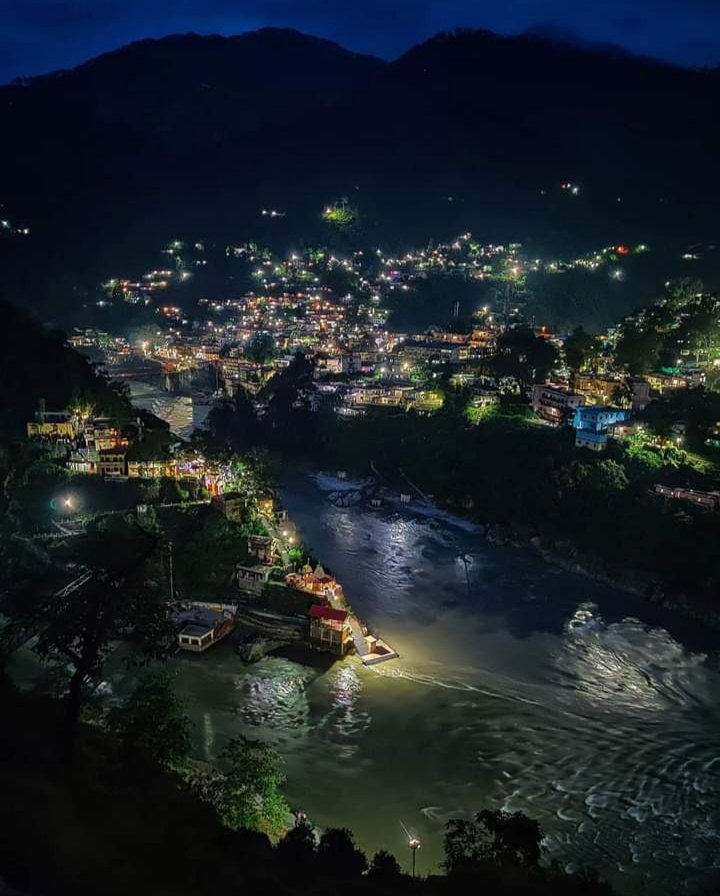
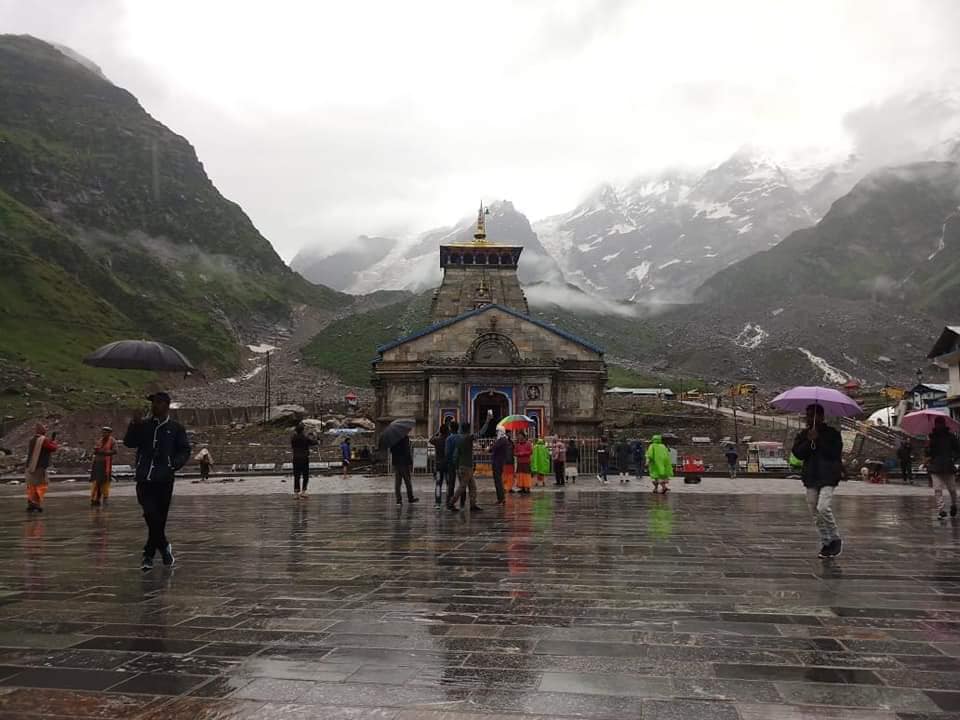
Avoid Mistakes While Coming #Kedarnath
Out of all dhams #Kedarnath demands most planning. Keep following points in mind while coming for Kedarnath
1) If one have trouble in walking, allergy to pony or mule or horse urine and dropping or time is short plan by Helicopter
2) A normal traveller takes only 7-8 hours to reach at temple from Gaurikund by walk. So walk patiently never rush while walking which could trigger gasping.
3) Avoid taking Pony or Horse from Sonprayag it will increase your journey by two hours. Take pony from Gaurikund or even start your walking trip from Gaurikund.
4) Start early in morning (5AM) from Gaurikund so that by Afternoon you can reach till temple. Have darshan and Stay overnight at GMVN facility at Temple and next day after darshan start for Gaurikund.
Remember if one is planning same day return then there is full chances he will reach Gaurikund by early evening or late evening in that case he will find difficult to get seat for Gaurikund to Sonprayag transfer. In evening huge line takes for transfer to Sonprayag. Secondly getting room becomes very difficult at Gaurikund as there are very few lodges at Gaurikund while footfall is around 4000 pilgrims in May ,June.
5) Never travel with kids of age below 12. Weather is very unpredictable some time bright sunny, next hour may turn stormy with hailstorm, snow fall. At this 3000 meters oxygen levels are low.
6. Most comfortable mode of travel is palanquin or Doli which may charge between 8000-10000
Kandi charges for round trip around 5000
Pony charges for round trip around 5k-6k
Helicopter tickets around 7k
By walk…Free:)
7) Carry BSNL, Vodafone, Airtel and Reliance jio SIM. Out of four any one will work for sure
8) Carry raincoat, water resistant boot, flashlight, fleece or quilted jackets, wind cheater, regular medicine, rucksack. do not carry suitcase it is difficult to carry on pony.
9) Carry aadhar card or any identity card.
10) During Yatra one can lodge complaint at police booth if you find anything inappropriate report at nearest police station
11) Carry your Yatra card
12) Do not miss Triyuginarayan this is must visit place near Sonprayag.
13) Avoid night trekking as there are black bear in Kedar valley
#KedarnathCharDham
#BapanRoy
Password management is indeed a very important and critical aspect which should be adhered by every user. Here we are sharing some important tips and best practices relating to password management.
· Sharing passwords is a security risk.
· Change passwords at least once every 90 (ninety) days.
· Unique Characters : An acceptable password must have at least five (5) different characters. Repeated characters can make for palindromes and make it easier to crack.
· Character Types : An acceptable password must have characters from at least three (3) different character types — upper case, lower case, digits, punctuation, etc. A password that includes a sample from a rich character set is difficult to crack.
· Long Alpha Sequences : An acceptable password must not have an alphabetic sequence any longer than three (3) characters.
· Long Digit Sequences : An acceptable password must not have a digit sequence any longer than two (2) characters.
· Forbidden Characters : There are a few characters that will cause problems if used in a password – the “delete” character is one of the obvious ones.
· Writing down your password : One should never write down a password. Someone may discover the password. Make the password difficult for others to guess or crack but easy for you to memorise and remember.
· Passwords should not be any of the following:
· Dictionary words (including foreign and technical dictionaries)
· Name of a person or a thing, a place, a proper noun, a phone number or a vehicle number
· Simple pattern of letters on keyboards
· Any of the above reversed or concatenated
· One possible method for picking a good password is to make up your own acronym.
· Do not let your computer remember your password. Do not accept auto complete option
provided by your computer/ browser.
· As far as possible do not use un-trusted system to access a sensitive service. If you must,
change the password on the first occasion immediately thereafter from a trusted system.
· Do not divulge your password to anyone.
· Enter your user-id and password only in the space provided for that you are normally used to.
· Any changes from normal make sure there is no attempt to steal your personal information
before providing it.
· Do not provide user-id and passwords on any page that appears as a popup when you click on a
hyperlink received through email. Better practice would be to log on to the service by typing
in the URL in the address bar after making sure the page opening up is from the genuine
service provider.
· Do not store passwords in a file on ANY computer system (including Palm Pilots or similar
devices) without encryption.
#BapanRoy
#HussainM
#RahulForever
#WahengbamSj
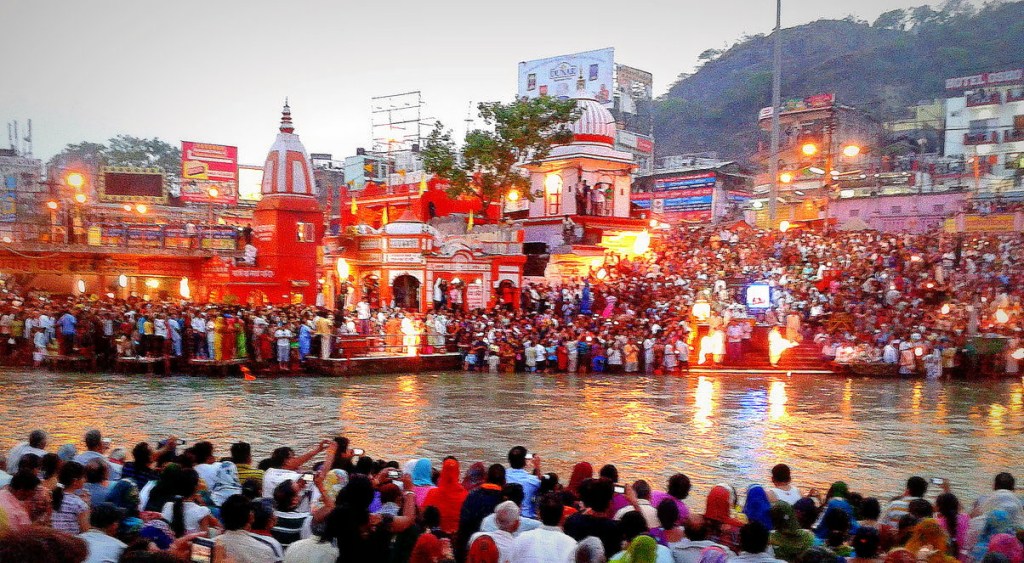
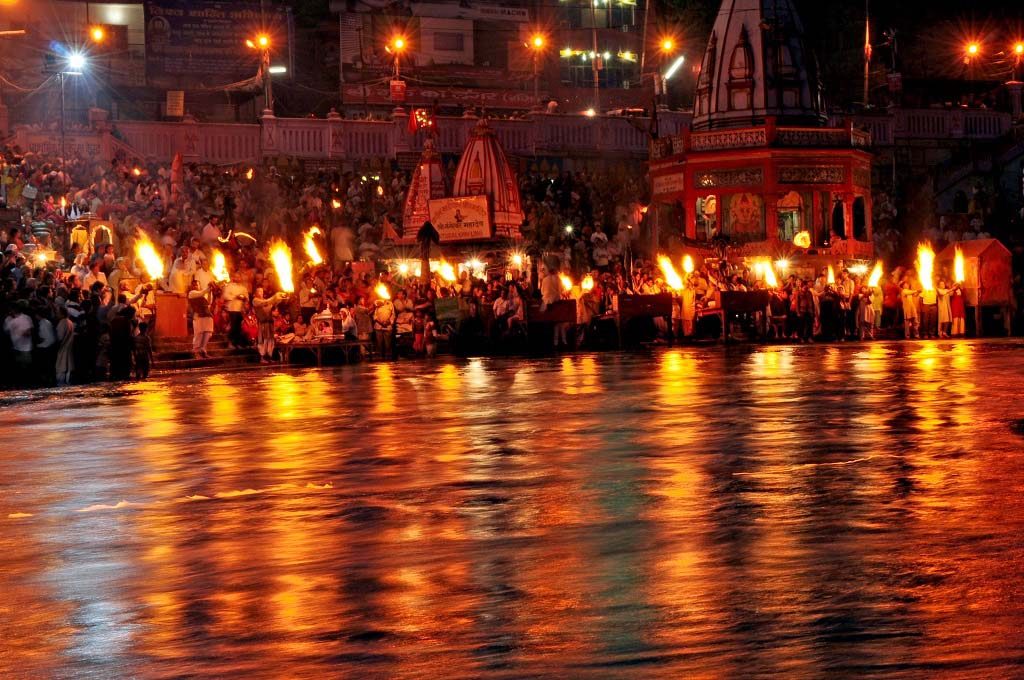
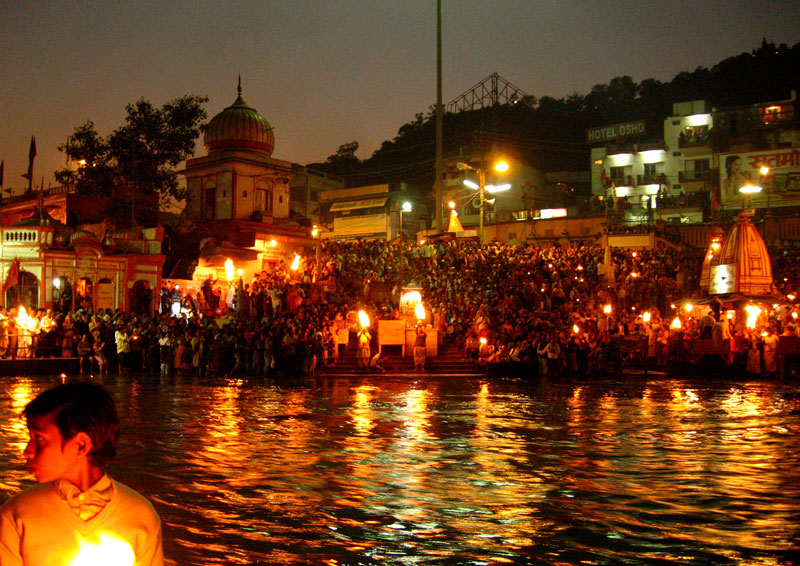
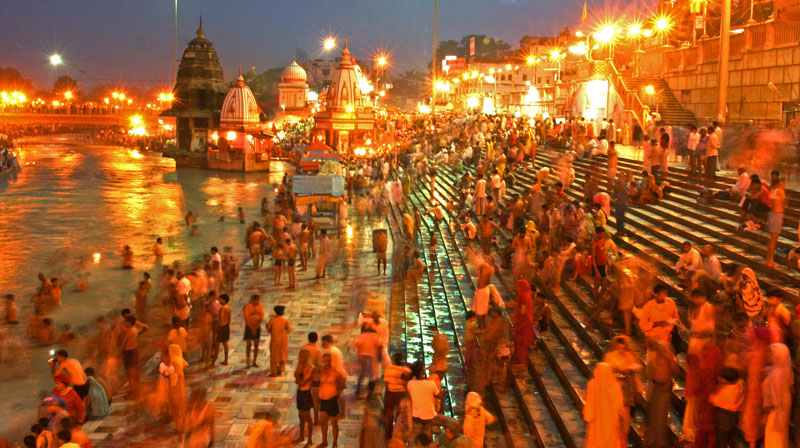
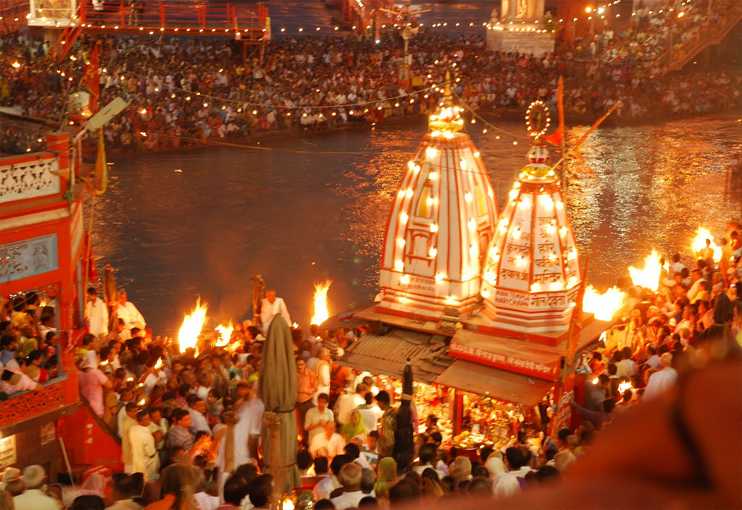
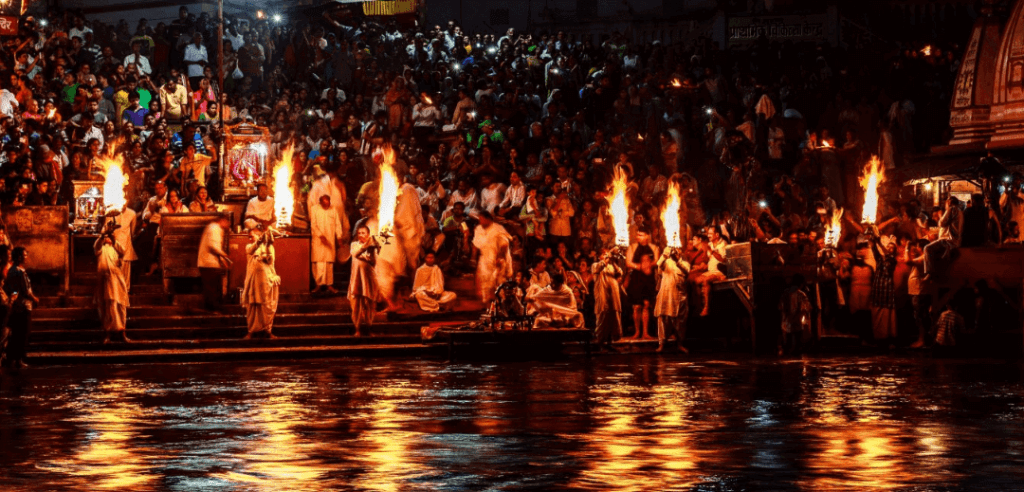
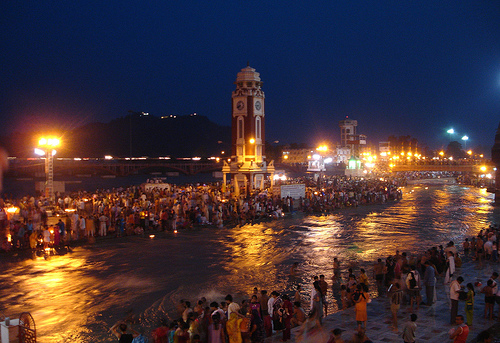
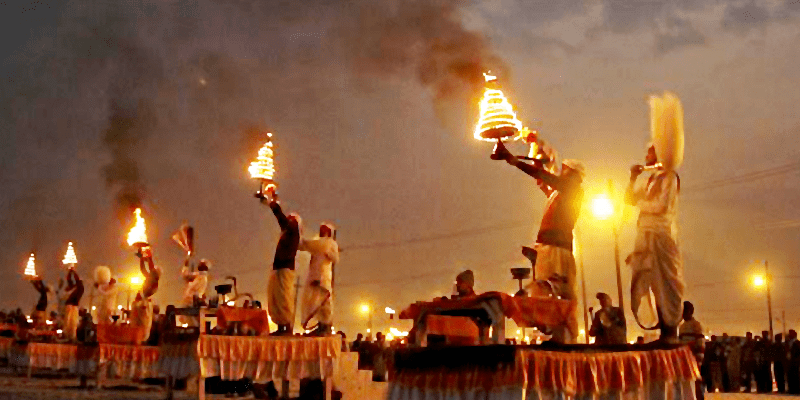
Ganga Aarti is a religious prayer that takes place at the bank of the sacred river Ganga at the Har Ki Pauri ghat in Haridwar. Bringing in tourists and devotees from all over the world, it is a ritual of light and sound where the priests perform prayers with bowls of fire and the ringing of the temple bells. Visitors float “diyas” (small candles) and flowers, surrounded by the chanting of the mantras and the reflection of the lights off the surface of the flowing river, which is said to be blessed by the Goddess Ganga.
The Ganga Aarti at Haridwar takes place twice a day, once in the morning and once in the evening. The starting of the Aarti depends upon the time of the sunrise and sunset in Haridwar.
In the summer months from March to October, the morning Aarti commences anytime between 5:00 AM and 6:50 AM, while the evening Aarti starts between 5:30 PM and 7:00 PM.
During the winter months, the morning Aarti begins between 6:30 AM and 7:00 AM, and the evening Aarti begins between 5:00 PM and 5:30 PM.
The Ganga Aarti in Haridwar is a magnificent event that attracts around 3,000 to 30,000 tourists every evening. The number of tourists can even touch a lakh during times of important festivals. The evening ritual commences with the bringing of an idol of Ganga from a small temple that is located nearby. The goddess is carried in a decorated ‘palkhi’ (palanquin) to a platform near the river and is accompanied by the singing and dancing of the pundits as well as devotees. Worshippers then seek the blessing of the idol, following which the ceremony begins.
The pundits chant Sanskrit
mantras and offer milk, honey, curd and other such items to the idol.
Loudspeakers in the vicinity of River Ganga ensure that the chants can
be heard by all devotees, including those who are standing far away.
This is then followed by the singing of ‘Ganga Lahari’, which is a
Sanskrit poem that was written by Pundit Jagannath. The pundits then ask
the gathered devotees to promise that they would not pollute the sacred
holy river, and the people acknowledge by raising their hands and
chanting the phrase ‘Har Har Gange, Jai Ma Gange’.
What follows
next is a short break wherein the workers of the Ganga Sabha collect
donations that the people are willing to offer. These donations are used
to meet the expenses of the Ganga Aarti, as well as for other religious
and social purposes. Finally, the main Aarti begins. The Aarti is just a
five-minute song, and the background music of bells enhances the
overall experience.
The best time to visit the Ganga Aarti entirely depends on your personal preference. If you like to be a part of a large crowd that is bustling with activity, visit the river in May or June; and to explore a quieter side, visit the river in July and August.
Evening aartis are much more vibrant than the morning ones since the lights from the candles and diyas can be thoroughly enjoyed, and hence are more recommended.
The exact period when the tradition of the Ganga Aarti was started has not yet been ascertained. However, the ritual of the Ganga Aarti at the Har Ki Pauri was started by Pandit Madan Mohan Malviya in the 1910s.
According to Hindu traditions and culture, the river Ganga is not a mere river; instead, it is the Divine Mother who gifts life in the form of water. When the fury of sage Kapil reduced the ancestors of Saint Bhagirath to mere ashes, the latter prayed and meditated for a very long time and was ultimately blessed with Ganga by the gods. Lord Shiva had held Ganga to reduce the steady flow of water, and the flowing water then provided liberation or moksha to the ancestors. This same water of the holy river is also believed to remove sins from the devotees who take a dip in the sacred water. The Ganga Aarti is thus a way to thank the River Ganga for all that she offers.
The word ‘Har’ means Lord Shiva, who is the god of the universe according to Shaivite Rishav Bhagwan’s school of Hindu theology. The word ‘Ki’ means ‘of’, and ‘Pauri’ translates to ‘steps’.
The area within Har Ki Pauri where the Ganga Aarti is performed is known as the Brahmakund and is considered to be the most sacred place in the entire area. This is because the Brahmakund is thought to be the spot where drops of Amrit or God’s Nectar fell from the sky, while the Amrit was being carried by the celestial bird, Garuda at the time when the world came into existence. It is also believed that Lord Shiva and Lord Vishnu had visited the Brahmakund in Har Ki Pauri in the Vedic times. On a stone wall at the ghat, there is a large footprint that is said to belong to Lord Vishnu.
1. Be sure to reach the Ghat at least 45 mins before the morning Aarti and 75 minutes before the evening Aarti to grab a seat for yourself and visit the Aarti closely.
2. Since there is a massive rush at the time of the Aarti, be sure to take care of your belongings and valuables. Do not let children go out of your sight.
3. Rickshaws and auto-rickshaws to take you to Har Ki Pauri often quote exorbitant prices, and hence you may have to bargain.
4. Seats near the clock tower and across the Ganga Temple, on the stairs of the ghats (cross the footbridge) are preferable for a good view.
Har Ki Pauri is located on the main highway, in the centre of the city. It can be reached either by bus or train. It is about 3 km away from the Haridwar Railway Station. You can hire an auto rickshaw from ay part of the city.
Kedarnath Dham, located in the Rudraprayag district of Uttarakhand, is one of the most paramount locations for worshipers of Shiva. The air appears to be reverberating with the name of Lord Shiva amid the mighty snow-clad peaks, enchanting meadows and forests of the lower mountain range of Himalayas. Situated in a breathtaking location, near the source of Mandakini River and at the height of 3,584 meters, Kedarnath Dham celebrates the greatness of Lord Shiva. Kedarnath temple is one of the 12 Jyotir Lingams and is also the most important temple among the Panch Kedars (group of 5 Shiva temples in Garhwal Himalayas). It is also one of the significant temples of the sacred Chota Char Dham Yatra in Uttarakhand, raising the glory of the place to further heights.
Accessible from major destinations of Uttarakhand, the motorable road towards Kedarnath temple stretches till Gauri Kund. After that one needs to take a 14 km trek towards Kedarnath temple. Ponies and palanquins (doli) are easily available; one can also avail helicopter services during peak season of yatra.
The hard journey till the great shrine of Shiva is well compensated with the spiritual atmosphere which is created by the unruffled, tranquil and splendid beauty of the region. The majestic Kedarnath peak (6,940 meters) stands behind the temple along with other peaks, forming a perfect setting for the holy land of the supreme deity. The conical-shaped Shiva lingam in the Kedarnath temple is a unique feature of the temple among all Shiva shrines.
Legend behind the Kedarnath Temple
Burdened with the guilt of killing their blood relatives, Pandavas sought Lord Shiva to absolve themselves of their sins. Shiva didn’t want to release them from their wrongdoings so easily and disguised himself as a bull to roam in Garhwal Himalayas. On being discovered by Pandavas, Shiva dived into the ground. Bhim tried to catch him and could only get hold of the hump. Other body parts of Shiva (in the form of bull), came up at different places. Hump of the bull was found in Kedarnath, navel emerged at Madhya-Maheshwar, two forelegs appeared at Tunganath, face in Rudranath, and hair came up at Kalpeshwar. Together these five sacred places are called Panch Kedar. It is believed that originally Pandavas built the temple of Kedarnath; the present temple was established by Adi Shankaracharya who restored and revived the glory of the shrine.
The grand and impressive structure of Lord Shiva’s shrine is made of grey stone. Steep climb stretching to 14 km from Gauri Kund brims with abundant beauty of nature. The paved and steep path gifts the pilgrims the fantastic views of snowy-peaks, alpine meadows and delightful forests of rhododendrons. A large stone statue of Nandi Bull stares at the shrine, guarding it, sitting right opposite it.
There is one Garbha Griha which houses the primary idol (pyramid shaped rock) of Lord Shiva. The idols of Lord Krishna, Pandavas, Draupadi and Kunti find a space in the Mandapa section of the shrine. The temple has withstood natural calamities like avalanches, earthquakes and floods for over thousand years and still stands as strong and elegant as it must have originally been.
With the onset of winters, the portals of the temple are closed on the 1st day of Karthik (Oct/Nov) amid elaborate rituals, and a moveable idol of Shiva is shifted to Omkareshwar temple in Ukhimath (Rudraprayag district). The Shiva idol is welcomed back and the temple is opened again after 6 months in the Vaisakh (Apr/May) period of Hindu calendar.
It is the starting point of the trek towards the temple of Kedarnath. As per a legend, Goddess Parvati (also known as Gauri) meditated over here in order to marry Lord Shiva. It consists of natural thermal springs and offer refreshing bath to pilgrims before they embark for the holy darshan of Kedareshwar (the Lord of Kedar, Shiva).
There is also an ancient Gauri Devi temple over here, honouring the goddess. Half Kilometre from Gauri Kund is the temple of Sirkata (headless) Ganesha. According to Skanda Purana, this was the place where Shiva beheaded Ganesha and then attached the head of an elephant on his headless body.
Fed by Chorabari glacier, the serene and pristine Chorabari Lake can be reached after undertaking a trek of less than 4 km from the Kedarnath town. It is also known as Gandhi Sarovar as some of the ashes of Mahatma Gandhi were immersed in its waters. On the way, there is a waterfall which one needs to cross. It looks amusing but care should be taken while going across it.
In the temple complex, to the south side, there is another ancient and important temple. It is dedicated to Bhairav Nath, who is believed to be the one who guards the temple compound when the shrine is closed in the winter season.
Located at 3,135 meters, the crystal clear blue-water lake of Vasuki is about 8 km from Kedarnath. It is quite a difficult trek and involves going across glaciers, but the walk among the untouched Himalayas is worth every bit of effort.
Delhi – Haridwar – Rishikesh-Devprayag – Srinagar – Rudraprayag – Tilwara – Agastamuni – Kund – Guptkashi – Phata – Rampur – Sonprayag – Gaurikund – Trek to Kedarnath
Jolly Grant airport on Rishikesh-Dehradun road is the nearest airport to Kedarnath. Hire a taxi to Gaurikund or till Haridwar/Rishikesh.
Regular trains from Delhi to Haridwar and Dehradun are available at all times of the year. Hire a cab or get a bus from here.
Gaurikund is connected with motorable roads, and buses and taxis from important destinations like Rishikesh, Dehradun, Uttarkashi and Tehri, Pauri and Chamoli are easily available.
Featuring a cold climate mostly round the year, Kedarnath can best be visited in summers. May to June and September to October offers an ideal weather for visitors to explore this place. During this period, the climate of Kedarnath remains a lot pleasing and cool. Winters here are harsh, with sub-zero temperatures and heavy rainfall. Monsoon season characterizes heavy downpour, so one must carry few essentials while journeying to this pilgrimage place in the monsoons.
Summers of Kedarnath beginning from May and lasting till June, are pleasing with the temperature hovering around 17°C. It is the perfect weather to pay visit to the Kedarnath shrine and also to indulge in some sightseeing of famous spots in and around Kedarnath. The weather remains moderate during this time and hence, this season is the ideal time to travel to this place.
Don’t forget to carry a day pack, a pair of trekking shoes/comfortable walking shoes along with trekking pants, windproof jacket, light weight woollen clothing, sun cap, sunglasses, sunscreen lotion, lip balm, torch/flashlight with extra batteries, walking stick and personal toiletries. Carrying a water bottle is a must. Along with that you should also pocket some dry fruits, energy bars and energy drinks like electoral (ORS)/Gatorade.
Monsoons hit Kedarnath starting from July and ending till August, with temperatures dropping down to 12°C. In this season Kedarnath is frequented with heavy rain falls and landslides hence visitors are advised to be prepared to overcome the difficulties. One must pack few essentials to save themselves from the heavy rains.
Don’t miss to carry a day pack with rain cover, a pair of waterproof trekking/hiking shoes, trekking pants, windproof/water resistant jacket, thick fleece, woollen clothing, waterproof gloves, thick wollen socks, walking stick, raincoat/poncho, torch/flashlight with extra batteries and personal toiletries. Don’t forget a water bottle along with few dry fruits to munch and energy drinks to avoid dehydration.
Winters in Kedarnath begin in the month of November and last till April. This season is not a good time to go to this place as roads to Kedarnath get blocked due to heavy snowfall. Owing to this, the Kedarnath Temple remains closed during the winter months. Winters are chilly here featuring sub-zero temperatures. Kedarnath remains carpeted with snow at this time making this place inaccessible for a while.
This is an example post, originally published as part of Blogging University. Enroll in one of our ten programs, and start your blog right.
You’re going to publish a post today. Don’t worry about how your blog looks. Don’t worry if you haven’t given it a name yet, or you’re feeling overwhelmed. Just click the “New Post” button, and tell us why you’re here.
Why do this?
The post can be short or long, a personal intro to your life or a bloggy mission statement, a manifesto for the future or a simple outline of your the types of things you hope to publish.
To help you get started, here are a few questions:
You’re not locked into any of this; one of the wonderful things about blogs is how they constantly evolve as we learn, grow, and interact with one another — but it’s good to know where and why you started, and articulating your goals may just give you a few other post ideas.
Can’t think how to get started? Just write the first thing that pops into your head. Anne Lamott, author of a book on writing we love, says that you need to give yourself permission to write a “crappy first draft”. Anne makes a great point — just start writing, and worry about editing it later.
When you’re ready to publish, give your post three to five tags that describe your blog’s focus — writing, photography, fiction, parenting, food, cars, movies, sports, whatever. These tags will help others who care about your topics find you in the Reader. Make sure one of the tags is “zerotohero,” so other new bloggers can find you, too.

 KedarnathCharDham